Genres
Make Music
Artists
Albums
Challenges
Sign in
Sign in
Albums
By Fight
Albums
By Fight
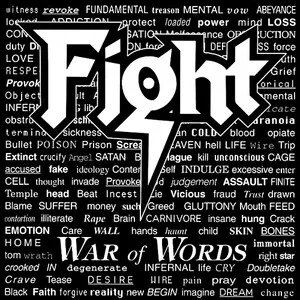
War of Words
September 14, 1993
Listen
1
/5
Genres
Groove Metal
Groove metal is a heavy metal subgenre defined by mid‑tempo, syncopated, and riff‑centric songwriting that prioritizes head‑nodding "groove" over sheer speed. Guitars are typically down‑tuned and palm‑muted, locking tightly to a punchy, backbeat‑driven drum feel and muscular bass lines. Vocals are usually aggressive shouts or barks with occasional melodic or anthemic passages, while lead guitars favor pinched harmonics, blues‑tinged bends, and compact, percussive phrases rather than long neo‑classical runs. Production tends to be tight and weighty, emphasizing a thick, modern rhythm‑guitar tone and precise drum transients. Stylistically, groove metal grew out of late‑’80s thrash and hardcore but slowed and widened the rhythms, borrowing the feel of funk metal’s syncopation and, in some cases, southern rock’s swagger.
Discover
Listen
Heavy Metal
Heavy metal is a loud, guitar-driven style of rock defined by heavily distorted riffs, thunderous drums, and powerful vocals. Its musical language emphasizes minor modes, modal (Aeolian, Phrygian) riffing, and energy over groove, often featuring virtuosic guitar solos and dramatic dynamic contrasts. Emerging from late-1960s blues rock and psychedelic experimentation, heavy metal codified a darker, heavier sound with bands like Black Sabbath, Deep Purple, and Led Zeppelin. The genre values weight, intensity, and grandeur—whether through plodding, doom-laden tempos or galloping, high-energy rhythms—paired with themes that range from personal struggle and social critique to fantasy, mythology, and the occult.
Discover
Listen
Metal
Metal (often used to mean heavy metal in its broad, umbrella sense) is a loud, guitar-driven style of rock defined by high-gain distortion, emphatic and often martial rhythms, and a dense, powerful low end. It foregrounds riff-based songwriting, dramatic dynamics, virtuosic guitar solos, and commanding vocals that range from melodic wails to aggressive snarls and growls. Harmonically, metal favors minor modes, modal color (Aeolian, Phrygian), chromaticism, and tritone-inflected tension, while thematically it explores power, mythology, the occult, social critique, fantasy, and existential subjects. While adjacent to hard rock, metal typically pushes amplification, distortion, precision, and thematic intensity further, forming a foundation for many specialized subgenres.
Discover
Listen
Rock
Rock is a broad family of popular music centered on amplified instruments, a strong backbeat, and song forms that foreground riffs, choruses, and anthemic hooks. Emerging from mid‑20th‑century American styles like rhythm & blues, country, and gospel-inflected rock and roll, rock quickly expanded in scope—absorbing folk, blues, and psychedelic ideas—while shaping global youth culture. Core sonic markers include electric guitar (often overdriven), electric bass, drum kit emphasizing beats 2 and 4, and emotive lead vocals. Rock songs commonly use verse–chorus structures, blues-derived harmony, and memorable melodic motifs, ranging from intimate ballads to high‑energy, stadium‑sized performances.
Discover
Listen
Similar albums
2016
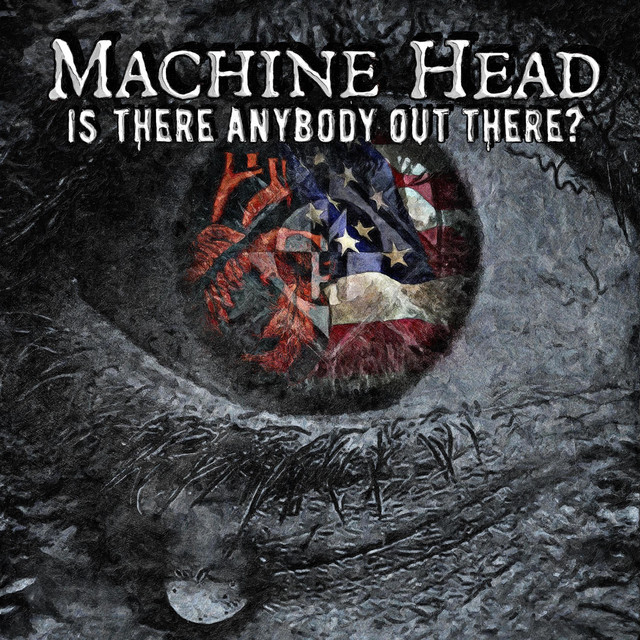
Is There Anybody Out There?
Machine Head
2011
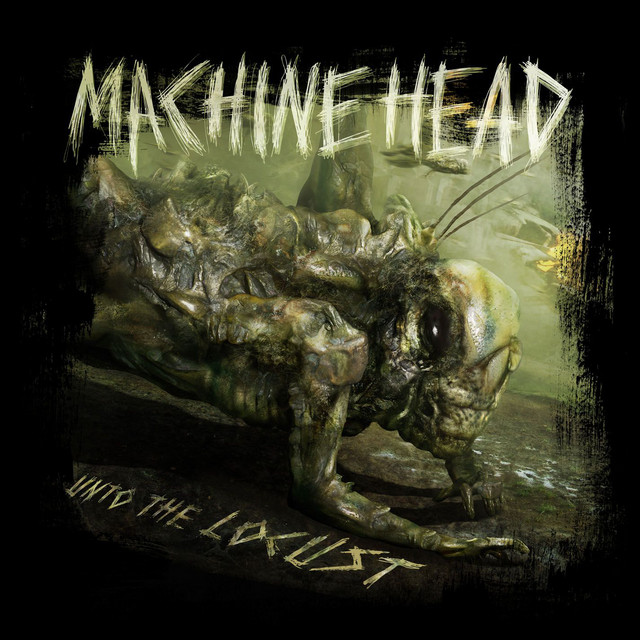
Unto the Locust
Machine Head
1999
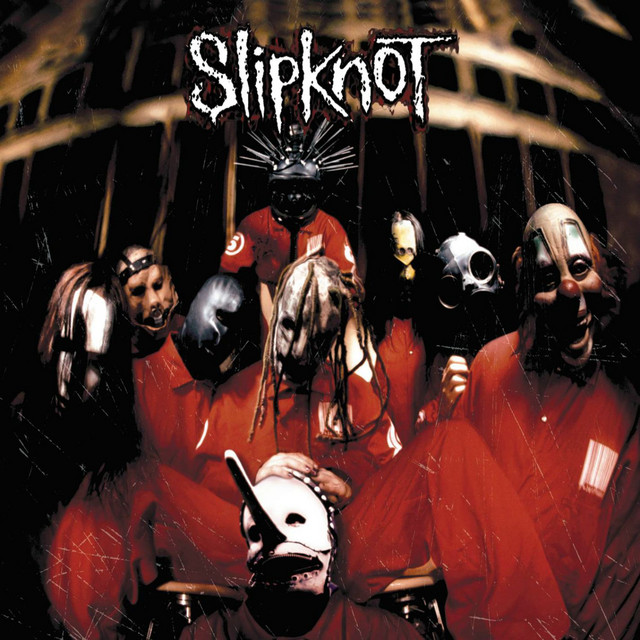
Slipknot
Slipknot
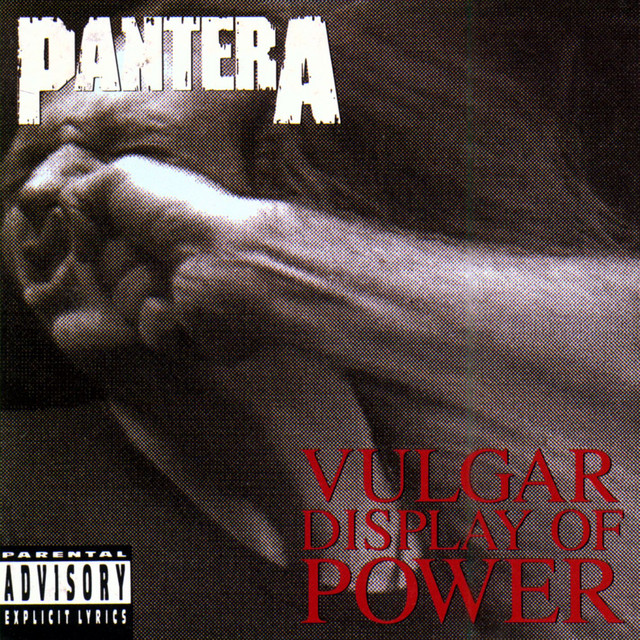
1992
Vulgar Display of Power
Pantera
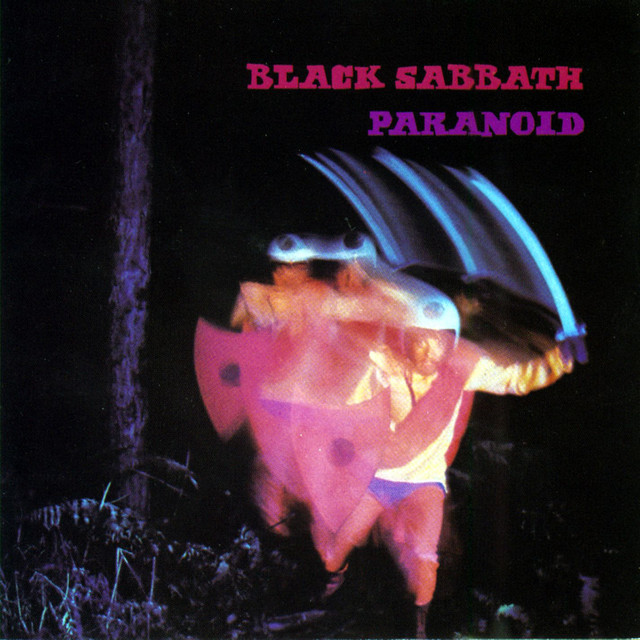
1970
Paranoid
Black Sabbath
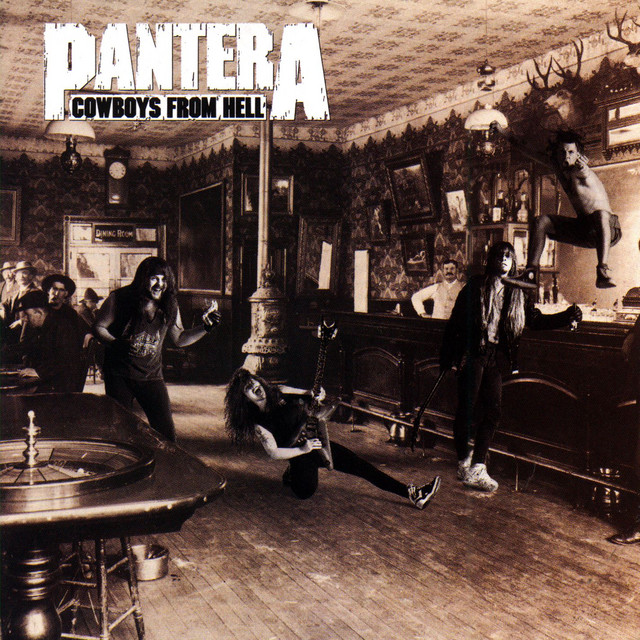
1990
Cowboys from Hell
Pantera
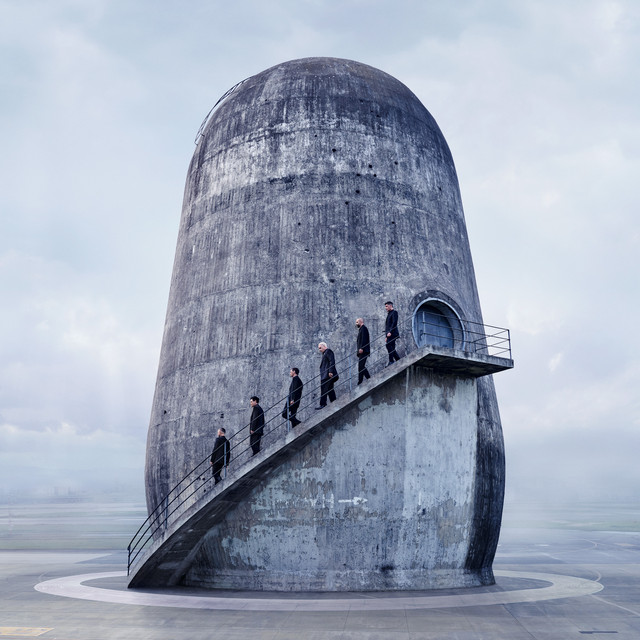
2022
Zeit
Rammstein
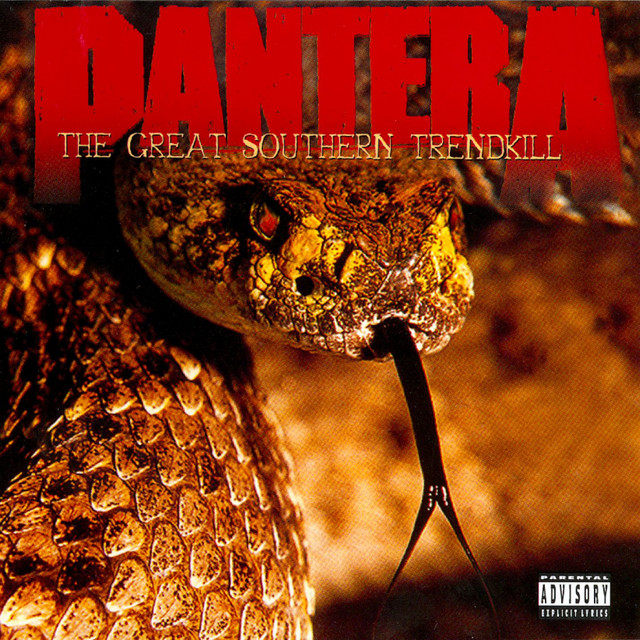
1996
The Great Southern Trendkill
Pantera
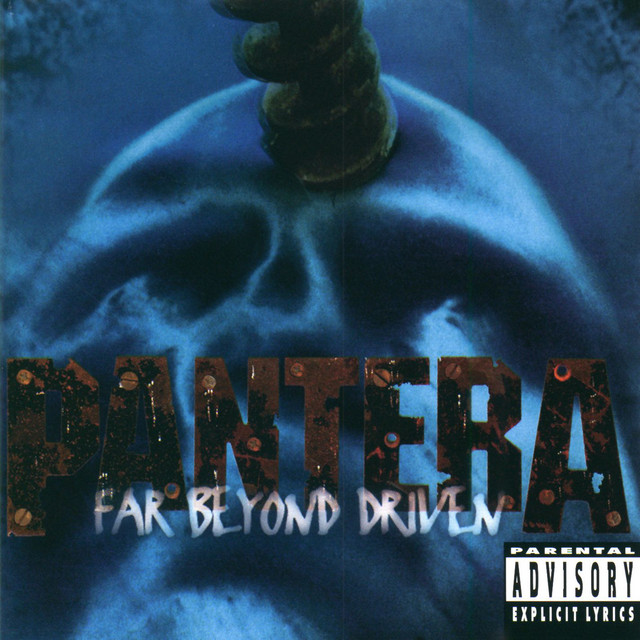
1994
Far Beyond Driven
Pantera
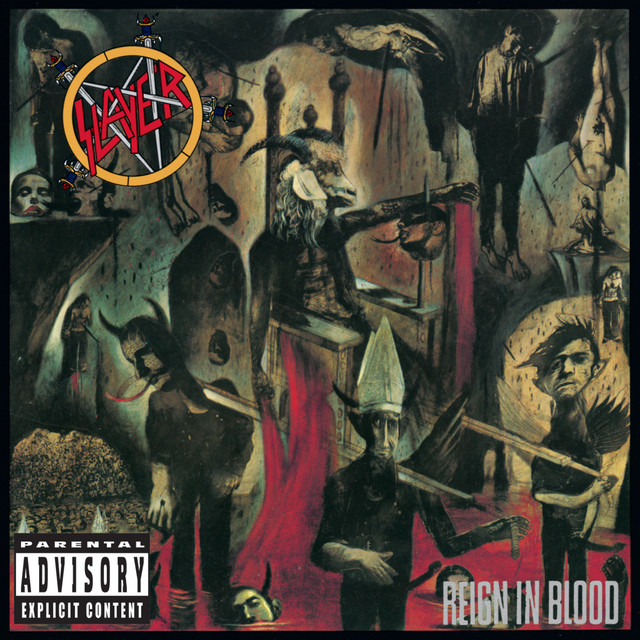
1986
Reign in Blood
Slayer
Download our mobile app
Get the Melodigging app and start digging for new genres on the go
Download on the App Store
Get it on Google Play
© 2026 Melodigging
Give feedback
Legal
Melodding was created as a tribute to
Every Noise at Once
, which inspired us to help curious minds keep digging into music's ever-evolving genres.