Genres
Make Music
Artists
Albums
Challenges
Sign in
Sign in
Albums
By Arooj Aftab
Albums
By Arooj Aftab
Vulture Prince
April 23, 2021
Listen
1
/5
Genres
Folk
Folk is a song-centered acoustic tradition rooted in community storytelling, everyday life, and social history. It emphasizes clear melodies, simple harmonies, and lyrics that foreground narrative, protest, and personal testimony. As a modern recorded genre, folk coalesced in the early-to-mid 20th century in the United States out of older ballad, work song, and rural dance traditions. It typically features acoustic instruments (guitar, banjo, fiddle, mandolin, harmonica), strophic song forms, and participatory singing (choruses, call-and-response).
Discover
Listen
Jazz
Jazz is an improvisation-centered music tradition that emerged from African American communities in the early 20th century. It blends blues feeling, ragtime syncopation, European harmonic practice, and brass band instrumentation into a flexible, conversational art. Defining features include swing rhythm (a triplet-based pulse), call-and-response phrasing, blue notes, and extended harmonies built on 7ths, 9ths, 11ths, and 13ths. Jazz is as much a way of making music—spontaneous interaction, variation, and personal sound—as it is a set of forms and tunes. Across its history, jazz has continually hybridized, from New Orleans ensembles and big-band swing to bebop, cool and hard bop, modal and free jazz, fusion, and contemporary cross-genre experiments. Its influence permeates global popular and art music.
Discover
Listen
Ghazal
Ghazal is a South Asian light-classical vocal genre built around the Urdu–Persian poetic form of the same name. It sets couplets (sher) that share a rhyme (qaafiya) and refrain (radif), often opening with a matla and ending with a maqta featuring the poet’s takhallus. Themes revolve around love, longing, separation, metaphysical yearning, and refined wit. Musically, ghazal draws on Hindustani classical grammar but prioritizes text clarity and melodic expressiveness over elaborate improvisation. Performances commonly feature a singer accompanied by harmonium and tabla (with sarangi, sitar, or guitar as color), use raga-informed melodies, and keep lilting tala cycles such as dadra (6 beats) or keherwa (8 beats). The style favors intimate delivery, subtle ornamentation (meend, murki), and immaculate diction, making it ideal for salon (mehfil) settings as well as recorded and film music.
Discover
Listen
Classical
Classical music is the notated art-music tradition of Europe and its global descendants, characterized by durable forms, carefully codified harmony and counterpoint, and a literate score-based practice. The term “classical” can refer broadly to the entire Western art-music lineage from the Medieval era to today, not just the Classical period (c. 1750s–1820s). It privileges long-form structures (such as symphonies, sonatas, concertos, masses, and operas), functional or modal harmony, thematic development, and timbral nuance across ensembles ranging from solo instruments to full orchestras and choirs. Across centuries, the style evolved from chant and modal polyphony to tonal harmony, and later to post-tonal idioms, while maintaining a shared emphasis on written notation, performance practice, and craft.
Discover
Listen
Similar albums
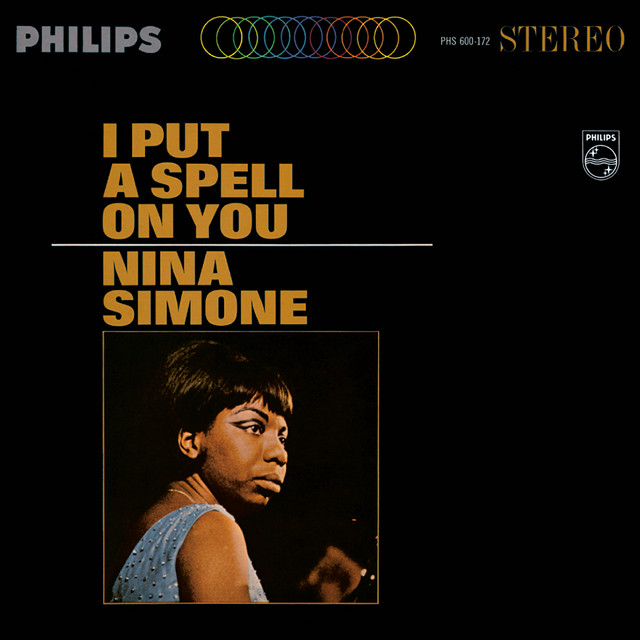
1965
I Put a Spell on You
Nina Simone
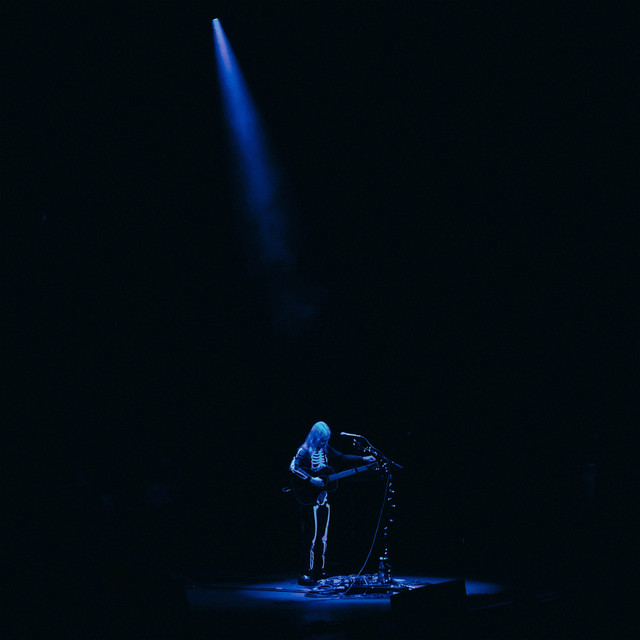
2021
That Funny Feeling
Phoebe Bridgers
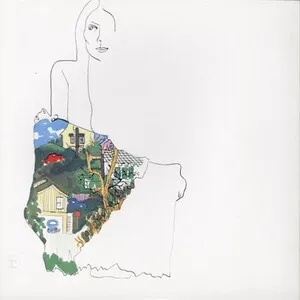
1970
Ladies of the Canyon
Joni Mitchell
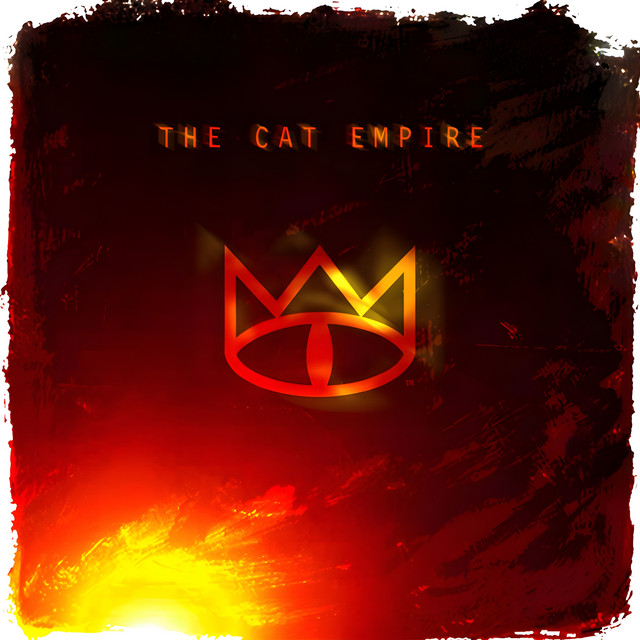
2003
The Cat Empire
The Cat Empire
2025
The Light For Days
Jacob Collier
2009
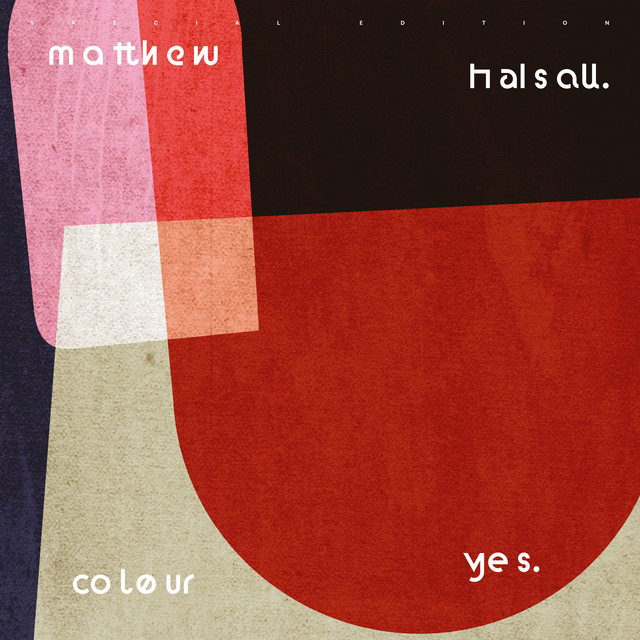
Colour Yes (Special Edition)
Matthew Halsall
2011
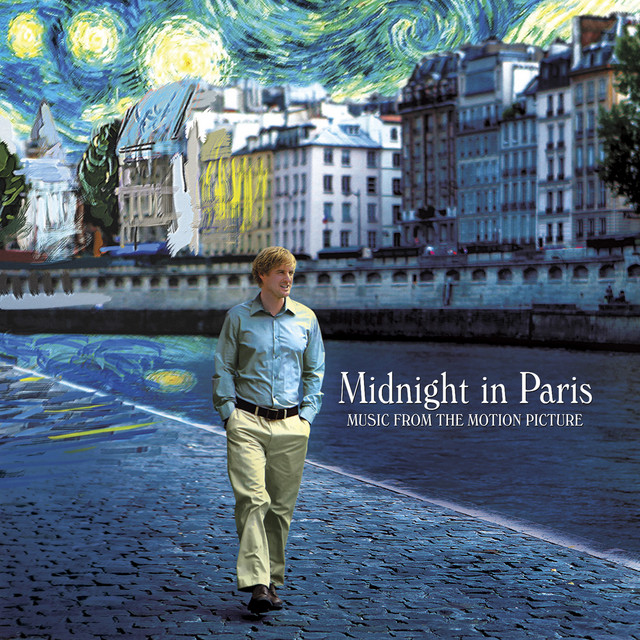
Midnight in Paris (Music from the Motion Picture)
Stephane Wrembel
2022
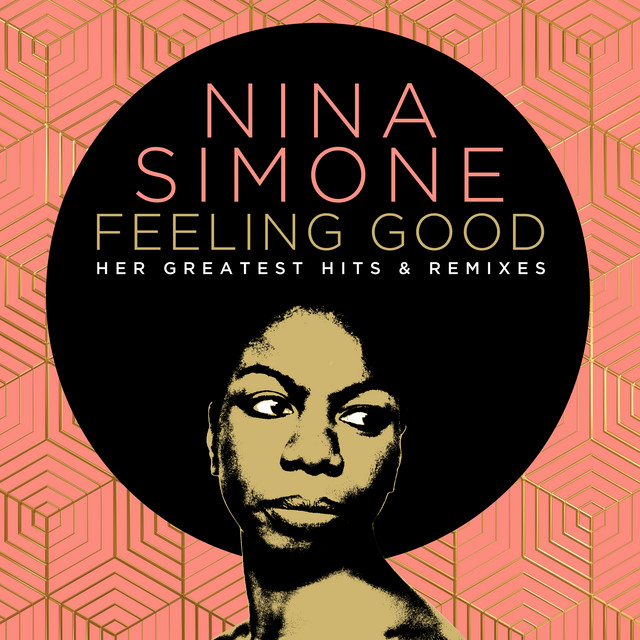
Feeling Good: Her Greatest Hits And Remixes
Nina Simone
1997
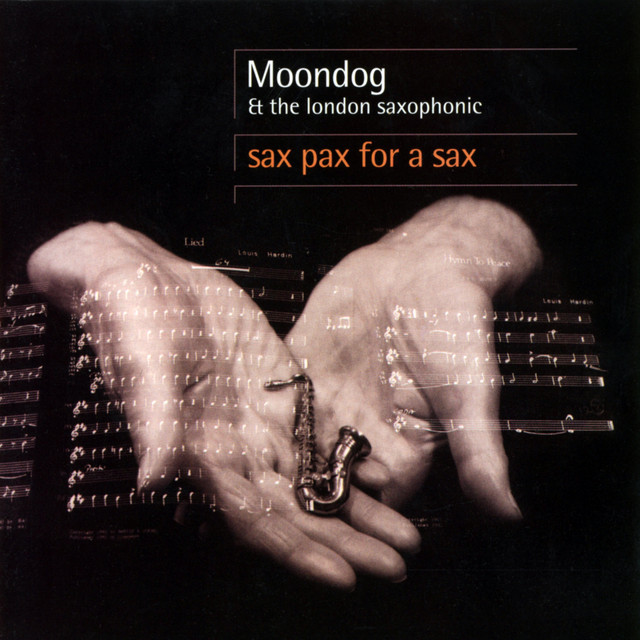
Sax Pax for a Sax
Moondog & The London Saxophonic
2005
The Civil War (Original Soundtrack Recording)
Bernice Johnson Reagon
Download our mobile app
Get the Melodigging app and start digging for new genres on the go
Download on the App Store
Get it on Google Play
© 2026 Melodigging
Give feedback
Legal
Melodding was created as a tribute to
Every Noise at Once
, which inspired us to help curious minds keep digging into music's ever-evolving genres.