Genres
Make Music
Artists
Albums
Challenges
Sign in
Sign in
Albums
By Arsis
Albums
By Arsis
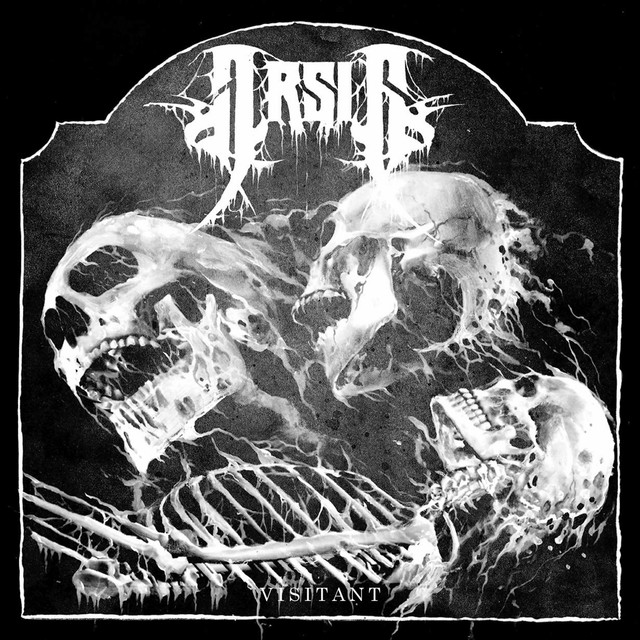
Visitant
November 2, 2018
Listen
1
/5
Genres
Technical Melodic Death Metal
Technical melodic death metal is a hybrid style that merges the harmonized riffing and melancholic melodic sensibility of melodic death metal with the precision, complexity, and instrumental virtuosity associated with technical death metal. Songs typically feature fast alternate-picked guitar lines, intricate rhythm-guitar patterns, frequent tempo changes, and “lead-like” riffs that remain memorable through recurring motifs and harmonized passages. Vocals are most often harsh (growls/screams), while the rhythm section emphasizes tight synchronization: articulate bass runs (often mirroring guitar), and highly detailed drumming with rapid double-kick, dynamic fills, and controlled blast beats. Compared with broader melodic death metal, this style tends to prioritize density of ideas, advanced technique, and rhythmic sophistication, while still preserving melody as a central identity rather than purely atonal brutality.
Discover
Listen
American Melodeath
American melodeath (American melodic death metal) is the United States’ take on the Scandinavian-born melodic death metal sound. It blends the twin‑guitar harmonies, minor‑key melodies, and tremolo-picked leads of the Gothenburg school with the speed, tightness, and rhythmic punch typical of American extreme metal. Compared with its European forebears, American melodeath often features brisker tempos, thrash‑sharpened riffing, and more technical passages. Vocals range from mid to high harsh growls and screams, drums lean on double‑kick barrages, blasts, and precision thrash or d‑beats, and production values are modern and polished. Lyrical themes frequently balance melancholic or existential subjects with horror, myth, and at times sci‑fi or philosophical imagery.
Discover
Listen
Melodic Death Metal
Melodic death metal (often shortened to melodeath) blends the speed, aggression, and harsh vocals of death metal with the harmonized guitar leads, memorable melodies, and songcraft of traditional heavy metal and thrash. It is characterized by twin‑guitar harmonies, fast tremolo riffs, punchy palm‑muted rhythms, and growled or screamed vocals, often contrasted with catchy, clearly articulated lead lines. Compared to traditional death metal, the genre favors stronger tonal centers, consonant interval harmonies (thirds and sixths), and more accessible structures, while retaining double‑kick intensity and occasional blast beats. Production tends to be tighter and clearer than early death metal, and many bands incorporate keyboards for texture. The style is strongly associated with the early–mid 1990s Gothenburg scene in Sweden, though parallel strains also emerged in the UK and Finland.
Discover
Listen
Heavy Metal
Heavy metal is a loud, guitar-driven style of rock defined by heavily distorted riffs, thunderous drums, and powerful vocals. Its musical language emphasizes minor modes, modal (Aeolian, Phrygian) riffing, and energy over groove, often featuring virtuosic guitar solos and dramatic dynamic contrasts. Emerging from late-1960s blues rock and psychedelic experimentation, heavy metal codified a darker, heavier sound with bands like Black Sabbath, Deep Purple, and Led Zeppelin. The genre values weight, intensity, and grandeur—whether through plodding, doom-laden tempos or galloping, high-energy rhythms—paired with themes that range from personal struggle and social critique to fantasy, mythology, and the occult.
Discover
Listen
Rock
Rock is a broad family of popular music centered on amplified instruments, a strong backbeat, and song forms that foreground riffs, choruses, and anthemic hooks. Emerging from mid‑20th‑century American styles like rhythm & blues, country, and gospel-inflected rock and roll, rock quickly expanded in scope—absorbing folk, blues, and psychedelic ideas—while shaping global youth culture. Core sonic markers include electric guitar (often overdriven), electric bass, drum kit emphasizing beats 2 and 4, and emotive lead vocals. Rock songs commonly use verse–chorus structures, blues-derived harmony, and memorable melodic motifs, ranging from intimate ballads to high‑energy, stadium‑sized performances.
Discover
Listen
Similar albums
2010
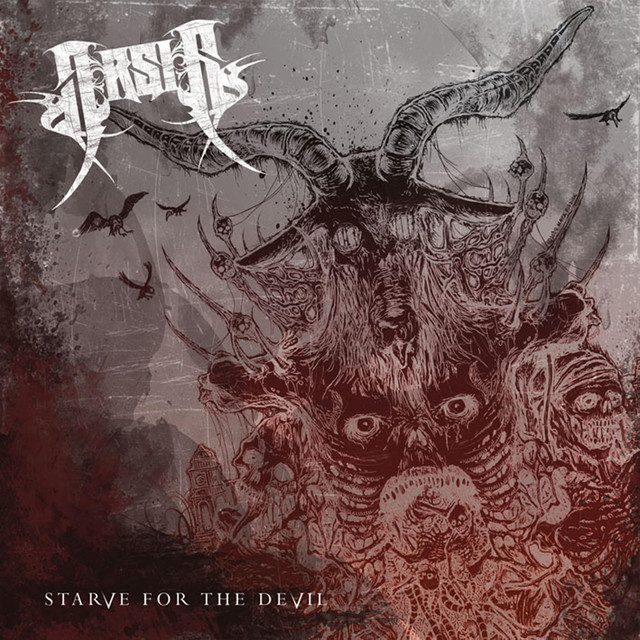
Starve for the Devil
Arsis
2022
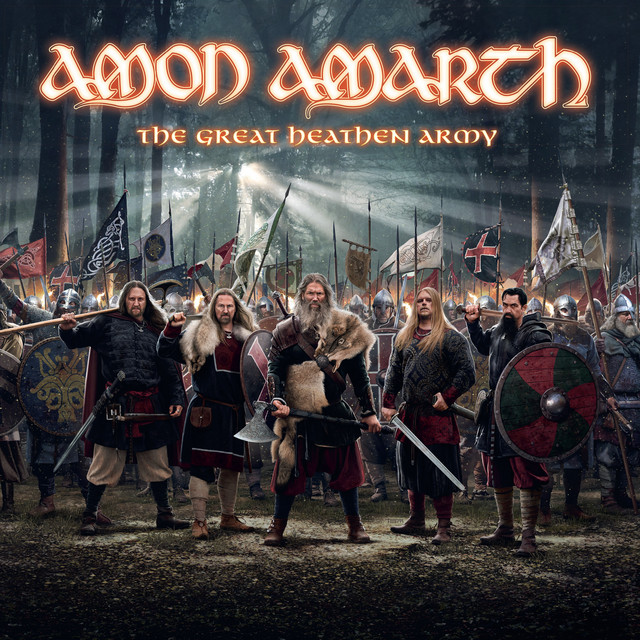
The Great Heathen Army
Amon Amarth
2011
Amaranthe
Amaranthe
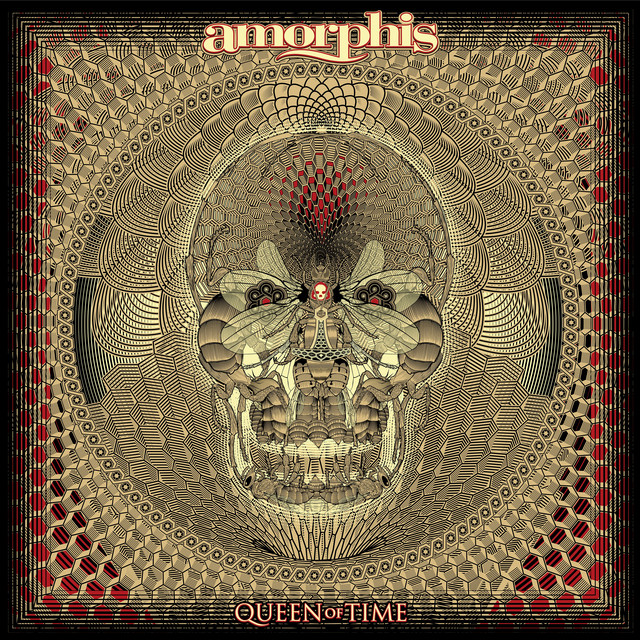
2018
Queen of Time (Deluxe Edition)
Amorphis
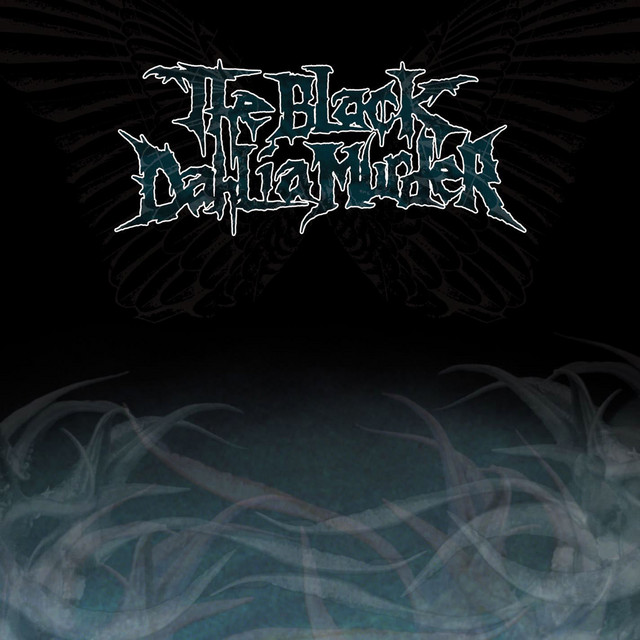
2003
Unhallowed
The Black Dahlia Murder
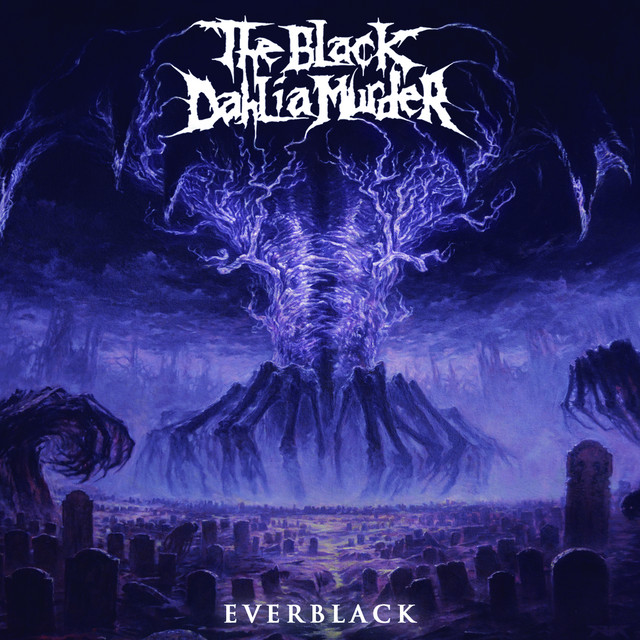
2013
Everblack
The Black Dahlia Murder
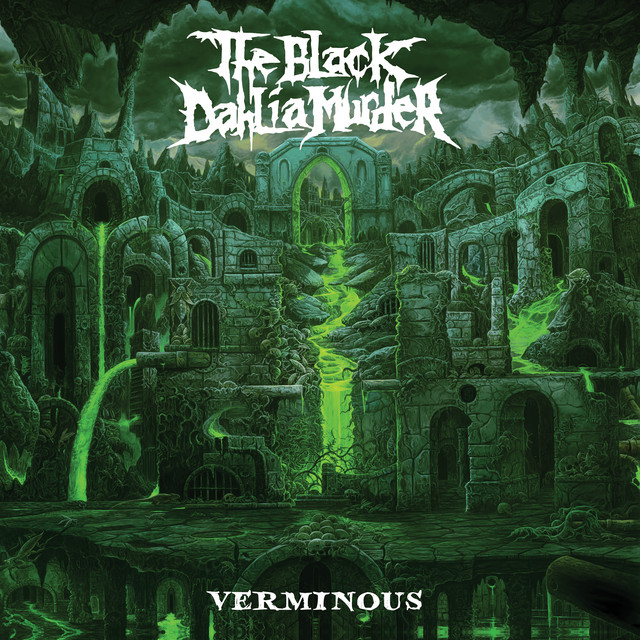
2020
Verminous
The Black Dahlia Murder
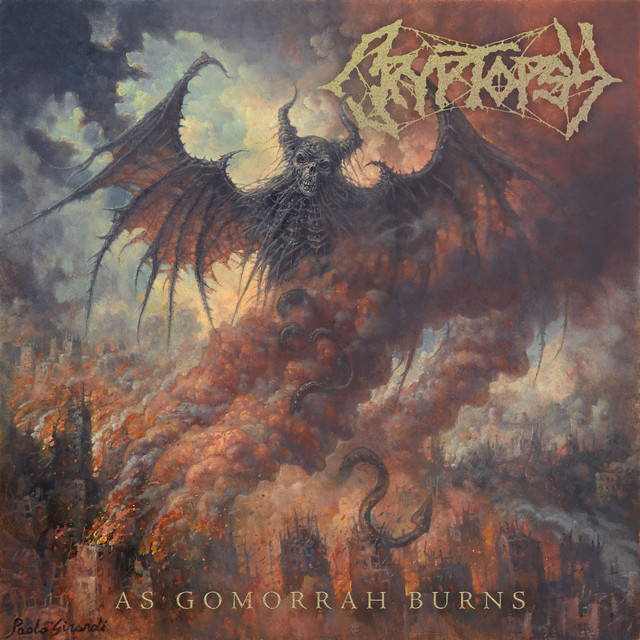
2023
As Gomorrah Burns
Cryptopsy
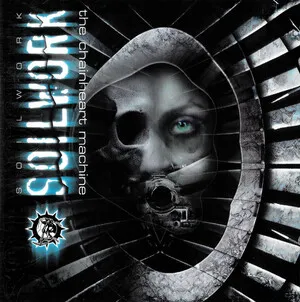
2000
The Chainheart Machine
Soilwork
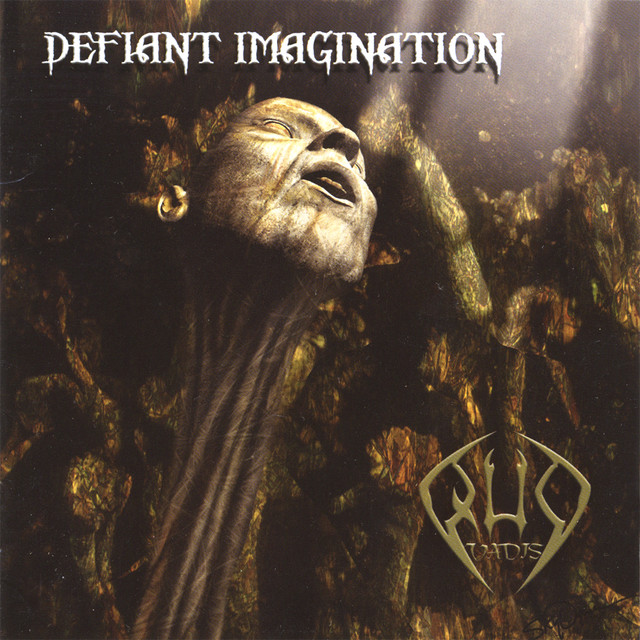
2004
Defiant Imagination
Quo Vadis
Download our mobile app
Get the Melodigging app and start digging for new genres on the go
Download on the App Store
Get it on Google Play
© 2026 Melodigging
Give feedback
Legal
Melodding was created as a tribute to
Every Noise at Once
, which inspired us to help curious minds keep digging into music's ever-evolving genres.