Genres
Make Music
Artists
Albums
Challenges
Sign in
Sign in
Albums
By African Head Charge
Albums
By African Head Charge
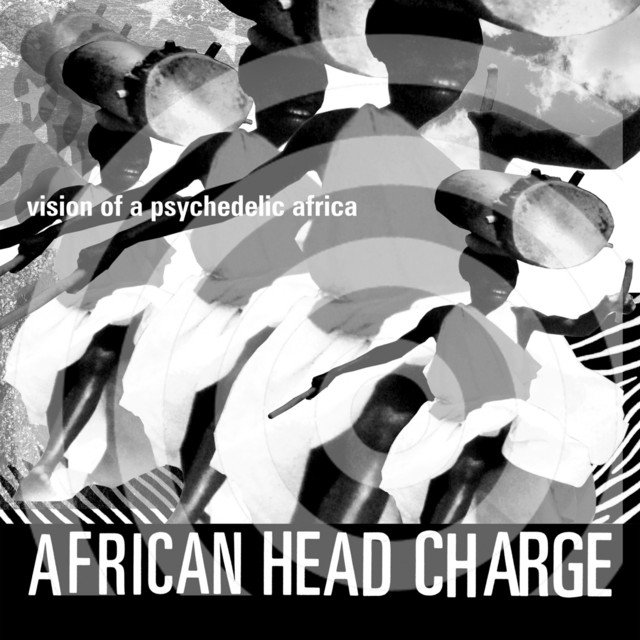
Vision Of A Psychedelic Africa
2005
Listen
1
/5
Genres
Dub
Dub is a studio-born offshoot of reggae that uses the mixing desk as a performance instrument. Producers strip songs down to their rhythmic core—drums and bass—and then rebuild them in real time with radical mutes, echoes, reverbs, and filters. Typically created from the B-sides (“versions”) of reggae singles, dub foregrounds spacious low-end, one-drop or steppers drum patterns, and fragmented vocal or instrumental phrases that drift in and out like ghostly textures. Spring reverb, tape echo, and feedback are not just effects but compositional tools, turning the studio into an instrument of improvisation. The result is bass-heavy, spacious, and hypnotic music that emphasizes negative space and textural transformation, laying the foundation for countless electronic and bass music styles.
Discover
Listen
Industrial
Industrial is an experimental electronic music tradition that uses abrasive timbres, mechanical rhythms, and transgressive aesthetics. Its sound palette often includes distorted drum machines, tape loops, metallic percussion, feedback, and found-object recordings alongside synthesizers and samplers. Emerging from late-1970s UK underground art and performance scenes, industrial foregrounds themes of dehumanization, technology, surveillance, and power. Releases frequently embrace anti-commercial presentation, stark graphic design, and confrontational performance art, treating the studio as a laboratory for sonic manipulation rather than a vehicle for conventional songcraft. While early industrial emphasized noise, tape processing, and avant-garde collage, later waves fused the style with dancefloor precision (EBM), rock and metal heft, and club-oriented production, giving rise to a broad post-industrial family that remains influential in experimental, electronic, and popular music.
Discover
Listen
Nyahbinghi
Nyahbinghi (also spelled Nyabinghi) is the sacred ceremonial music of the Rastafari movement, centered on communal drumming, chant, and prayer. It features a three-drum ensemble—the bass ("thunder"), funde, and repeater ("akete")—that creates an earthy, heartbeat-like pulse supporting call-and-response psalmody and biblical chants. Rooted in Afro-Jamaican ritual drumming (e.g., Burru, Kumina) and the early Rastafari communities of the 1930s–40s, Nyahbinghi gatherings ("binghi" or "grounation") serve as spiritual assemblies rather than entertainment. The music is slow to moderate in tempo, deeply cyclical, and intentionally trance-inducing, emphasizing devotion to Jah, livity, and repatriation themes. Its rhythms and chant tradition profoundly shaped ska, rocksteady, and reggae—especially the one‑drop feel in roots reggae.
Discover
Listen
Electronic
Electronic is a broad umbrella genre defined by the primary use of electronically generated or electronically processed sound. It encompasses music made with synthesizers, drum machines, samplers, computers, and studio/tape techniques, as well as electroacoustic manipulation of recorded or synthetic sources. The genre ranges from academic and experimental traditions to popular and dance-oriented forms. While its sonic palette is rooted in electricity and circuitry, its aesthetics span minimal and textural explorations, structured song forms, and beat-driven club permutations. Electronic emphasizes sound design, timbre, and studio-as-instrument practices as much as melody and harmony.
Discover
Listen
Similar albums
1984
Some Great Reward
Depeche Mode
1997
(symbols)
KMFDM
1994
Protection
Massive Attack
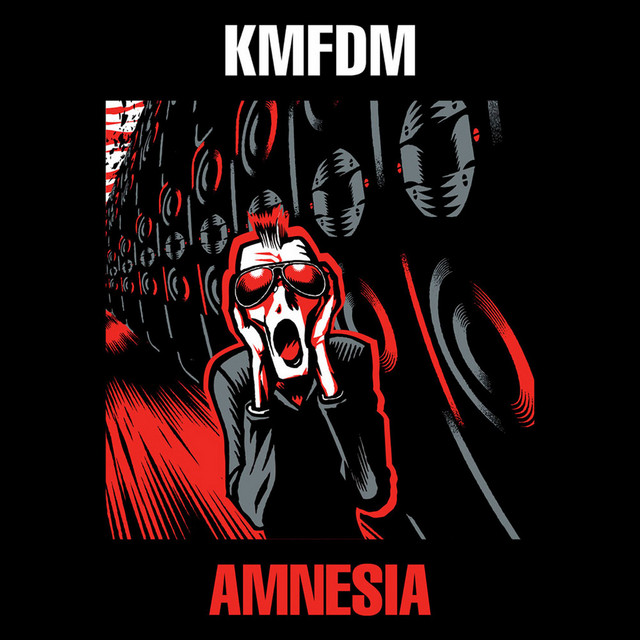
2012
Amnesia
KMFDM
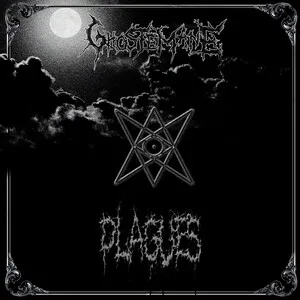
2016
Plagues
Ghostemane
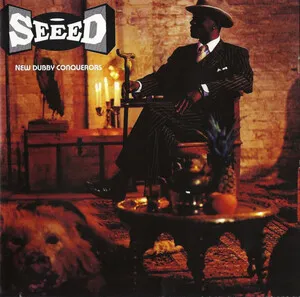
2000
New Dubby Conquerors
Seeed
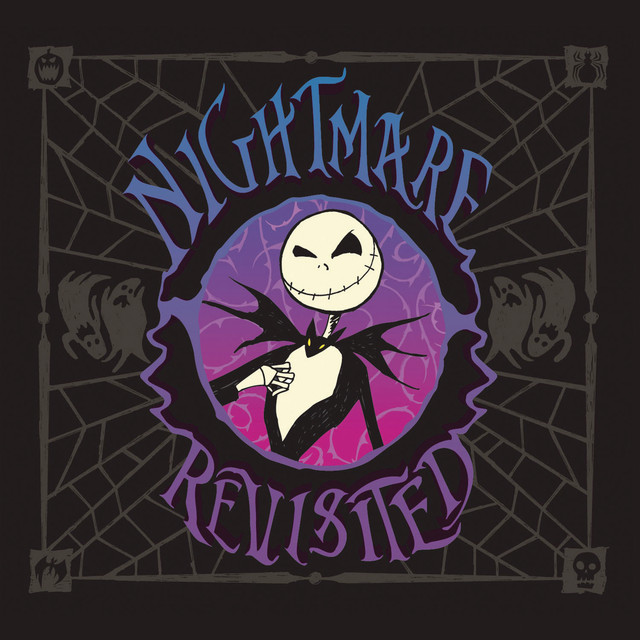
2008
Nightmare Revisited
Marilyn Manson
2000
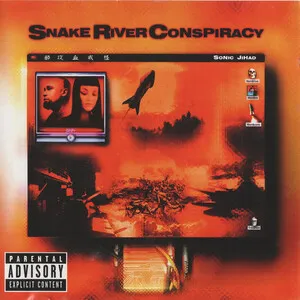
Sonic Jihad
Snake River Conspiracy
2010
I Can't Stop
Flux Pavilion
2019
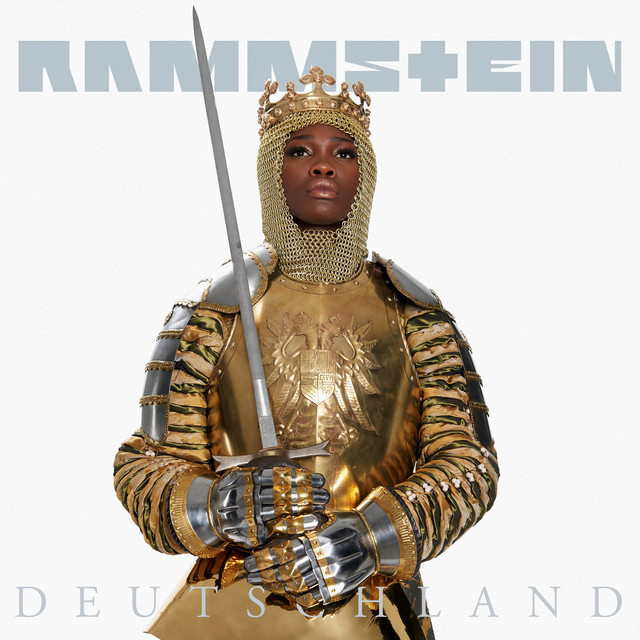
Deutschland
Rammstein
Download our mobile app
Get the Melodigging app and start digging for new genres on the go
Download on the App Store
Get it on Google Play
© 2026 Melodigging
Give feedback
Legal
Melodding was created as a tribute to
Every Noise at Once
, which inspired us to help curious minds keep digging into music's ever-evolving genres.