Genres
Artists
Albums
Make Music
Sign in
Sign in
Albums
By Richard Egarr
Albums
By Richard Egarr
Violin Sonatas
1999
Listen
Genres
Baroque
Baroque is a period and style of Western art music spanning roughly 1600–1750. It is characterized by the birth of functional tonality, the widespread use of basso continuo (figured bass), and a love of contrast—between soloist and ensemble, loud and soft, and different timbres. Hallmark genres and forms of the era include opera, cantata, oratorio, concerto (especially the concerto grosso), dance suite, sonata, and fugue. Textures range from expressive monody to intricate counterpoint, and melodies are richly ornamented with trills, mordents, and appoggiaturas. Baroque music flourished in churches, courts, and theaters across Europe, with regional styles (Italian, French, German, English) shaping distinctive approaches to rhythm, dance, harmony, and ornamentation.
Discover
Listen
Sonata
A sonata is a multi-movement work for one or a few instruments that developed as a principal vehicle of instrumental expression in European art music. In the Baroque era it referred broadly to “music to be sounded” (as opposed to “cantata,” music to be sung) and commonly appeared as the trio sonata (two treble instruments plus basso continuo) in church (sonata da chiesa) or chamber (sonata da camera) contexts. In the Classical era the term narrowed to denote a cyclical, architecturally unified piece for solo keyboard or for a solo melody instrument with keyboard, typically in three or four movements with the first movement in sonata form (exposition–development–recapitulation). Across the 18th–20th centuries, composers used the sonata as a laboratory for harmonic drama, motivic development, and contrasting characters—ranging from the poised clarity of Haydn and Mozart to the structural expansiveness and psychological depth of Beethoven and Romantic successors.
Discover
Listen
Classical
Classical music is the notated art-music tradition of Europe and its global descendants, characterized by durable forms, carefully codified harmony and counterpoint, and a literate score-based practice. The term “classical” can refer broadly to the entire Western art-music lineage from the Medieval era to today, not just the Classical period (c. 1750s–1820s). It privileges long-form structures (such as symphonies, sonatas, concertos, masses, and operas), functional or modal harmony, thematic development, and timbral nuance across ensembles ranging from solo instruments to full orchestras and choirs. Across centuries, the style evolved from chant and modal polyphony to tonal harmony, and later to post-tonal idioms, while maintaining a shared emphasis on written notation, performance practice, and craft.
Discover
Listen
Similar albums
2011
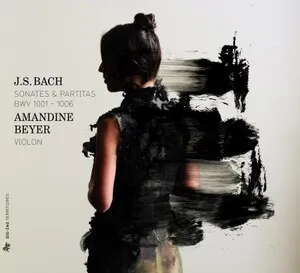
Sonatas & Partitas BWV 1001-1006
Johann Sebastian Bach / Johann Georg Pisendel
1981
The Goldberg Variations
Johann Sebastian Bach / Glenn Gould
2018
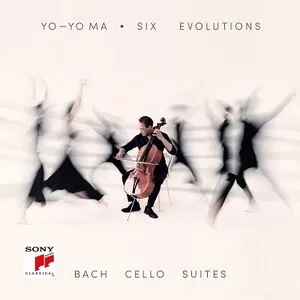
Six Evolutions: Bach Cello Suites
Johann Sebastian Bach / Yo-Yo Ma
2004
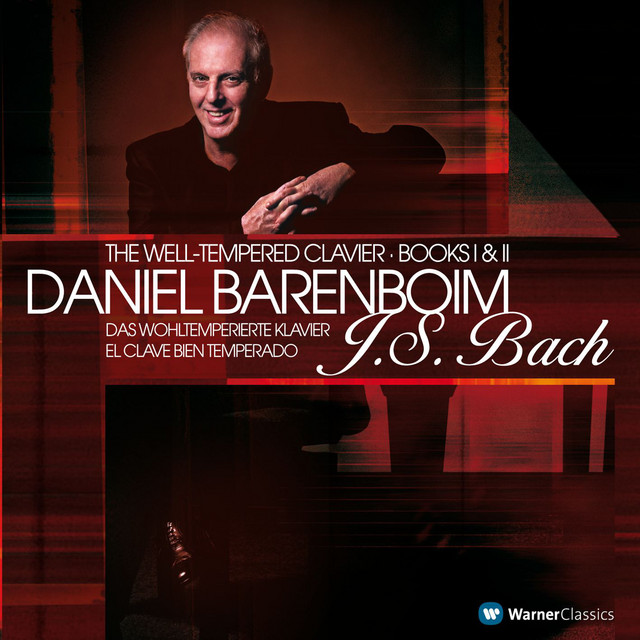
Bach, JS : Well-Tempered Clavier Books 1 & 2
Daniel Barenboim
1976
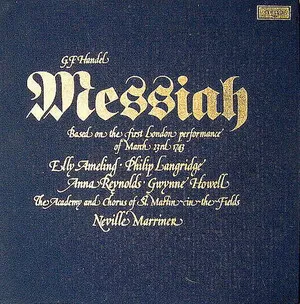
Messiah
Georg Friedrich Händel
2019
Bach Reworks (Pt. 2)
Víkingur Ólafsson
1989
The Brandenburg Concertos
Johann Sebastian Bach / Orchestra of the Age of Enlightenment
1997
Hilary Hahn Plays Bach
Johann Sebastian Bach / Hilary Hahn
1997
Suites for Solo Cello
Johann Sebastian Bach / János Starker
1956
The Goldberg Variations
Johann Sebastian Bach / Glenn Gould
Download our mobile app
Get the Melodigging app and start digging for new genres on the go
Download on the App Store
Get it on Google Play
© 2026 Melodigging
Give feedback
Legal
Melodding was created as a tribute to
Every Noise at Once
, which inspired us to help curious minds keep digging into music's ever-evolving genres.