Sinhalese folk music is the traditional music of the Sinhala people of Sri Lanka, centered on voice and drum ensembles that accompany ritual, dance, work, and communal celebration. It places strong emphasis on cyclic drum patterns, call-and-response vocals, and strophic song forms tied to everyday life and seasonal ceremonies.
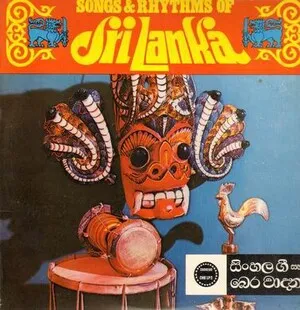
Typical instruments include a family of indigenous drums (geta bera, yak bera, dawula/daula, thammattama), the hourglass udekki, large frame-drum rabana (especially for New Year circle-drum songs), the double-reed horanewa (folk shawm), bamboo flutes, small cymbals (thalampata/thalampota), and the conch shell (hakgediya) used in processions. Melodies are modal and often raga-influenced, moving between pentatonic and heptatonic frameworks, with drones supplied by sustained tones or harmonium.
Core genres and contexts include the dance-songs of the Kandyan tradition (vannam), improvised bardic verses (virindu), mask and folk theatre repertoires (kolam and sokari), devotional and work-song poetries (kavi, nelum kole, pel kavi), lullabies, harvest and fishing songs, and exorcistic/ritual drumming in low-country traditions. The music’s cadences, poetic prosody, and drum syllabaries (bol) are intimately bound to Sinhala language and ritual practice.