Dimotiko (Δημοτικό) is the umbrella term for traditional Greek folk music rooted in rural life, communal rituals, and dance. It encompasses a wide range of regional styles and song types—dance songs (syrtos, kalamatianos, tsamiko), narrative ballads (paraloges), laments (mirologia), wedding and seasonal songs—performed with modal melodies and rich ornamentation.
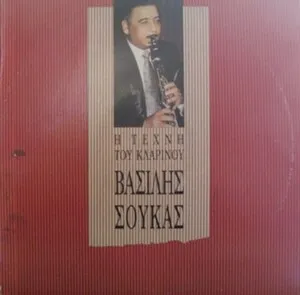
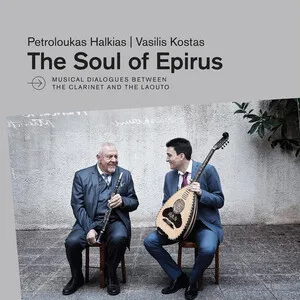
The sound world is characteristically modal (drawing on Byzantine echoi and Ottoman/Turkish makam practice), with heterophonic textures, drones, and free-rhythm introductions (taximi) by solo instruments such as clarinet or violin. Instrumentation varies by region but often includes klarino (clarinet), violin, laouto (long-necked lute), santouri (hammered dulcimer), gaida (bagpipe), daouli (tabor drum), defi (frame drum), lyra (in Crete and Pontus), and zournas (shawm). Lyrics, frequently in the 15-syllable political verse (dekapentasyllabos), narrate local history, heroism, love, exile, and the cycle of life.
As dance music, dimotiko follows asymmetrical meters (e.g., 7/8 for kalamatianos) and steady, grounded grooves designed for communal participation. As song, it prizes expressive melisma, microtonal inflection (where regional practice calls for it), and a direct connection to collective memory.