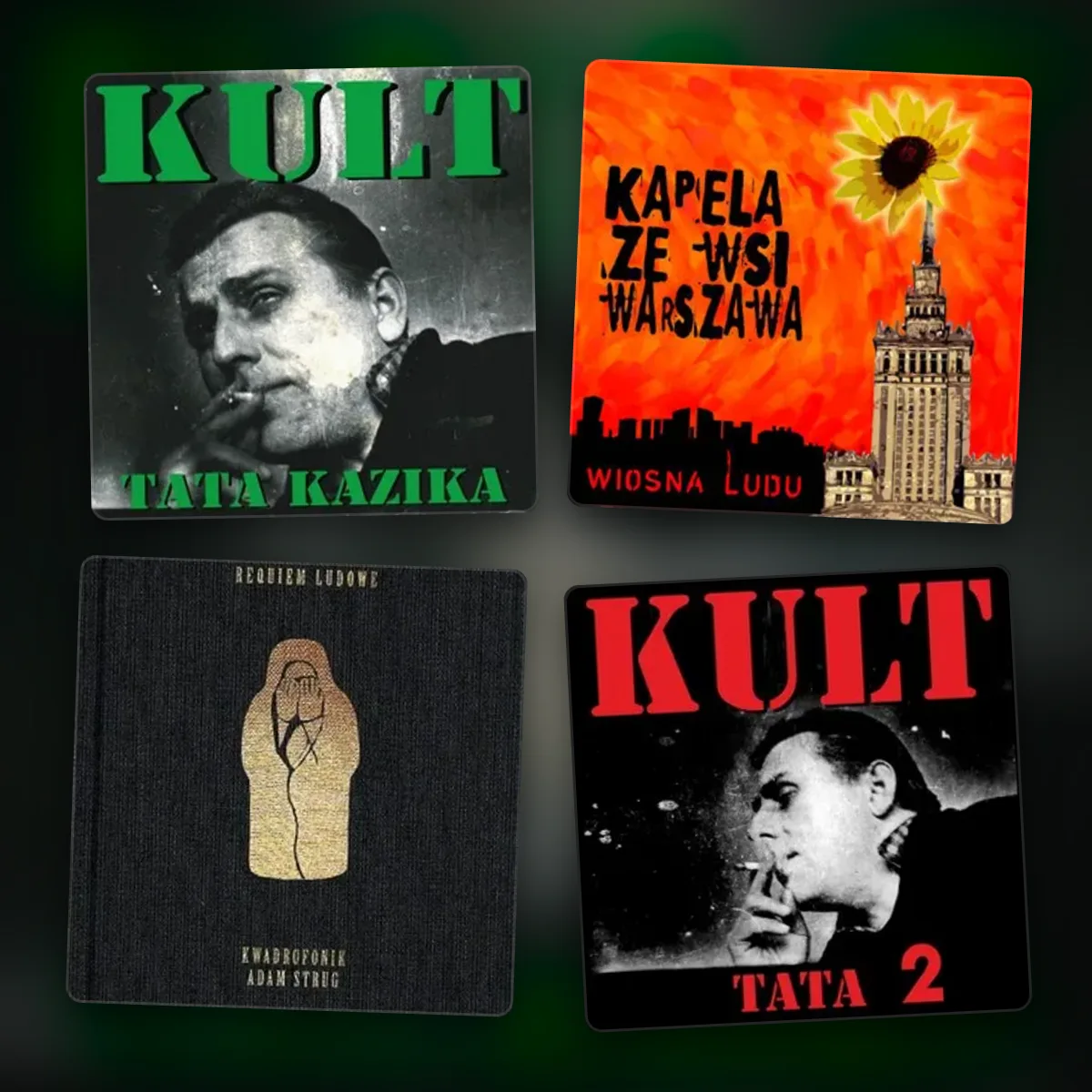
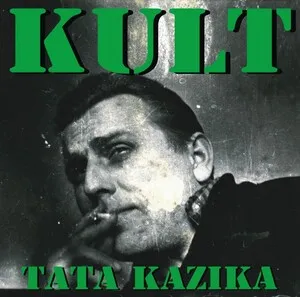
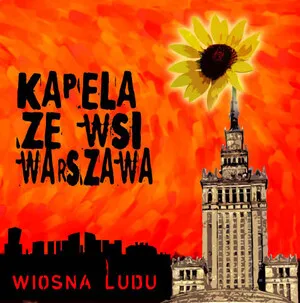
Polish folk music comprises the rural vocal, instrumental, and dance traditions of Poland’s regions, notably Mazovia, Lesser Poland, Silesia, Podhale (Górale highland culture), and Kashubia. It is characterized by vigorous dance rhythms, modal melodies, heterophonic textures, open-throated "white voice" singing, and distinctive regional instruments such as the basy (folk bass), violins, accordions, bagpipes (dudy), hurdy-gurdy (lira korbowa), hammered dulcimer (cymbały), and the reconstructed suka biłgorajska.
Its most recognizable forms are the Polish national dances—mazur/mazurka, kujawiak, oberek, polonaise, and krakowiak—each with its own tempo, accent pattern, and character. Many repertoires accompany lifecycle and calendar rituals (weddings, harvests, caroling), while contemporary folk-revival groups fuse archival melodies with modern arrangements, keeping local styles alive on contemporary stages.