Genres
Make Music
Artists
Albums
Challenges
Sign in
Sign in
Albums
By O Rappa
Albums
By O Rappa
Uma Vida Só
March 18, 2016
Listen
3
/5
Genres
Latin Alternative
Latin alternative is an umbrella term for genre-bending music made by Latin American and US Latino artists that sits outside mainstream Latin pop. It blends alternative and indie rock attitudes with Latin rhythmic vocabularies (cumbia, salsa, ska, reggae), hip hop, and electronic production. The style privileges experimentation, hybridity, and scene-driven authenticity rather than commercial formulas. Lyrics are often in Spanish (sometimes bilingual or Spanglish), and themes range from the personal and poetic to social and political commentary. The movement coalesced in the mid-to-late 1990s around U.S. media and festivals (e.g., LAMC), helping connect diverse scenes from Mexico, Argentina, Chile, Colombia, Puerto Rico, and beyond.
Discover
Listen
Brazilian Hip Hop
Brazilian hip hop (often called "rap nacional") adapts the core aesthetics of U.S. hip hop—MC-led storytelling, sample-based beats, and DJ culture—to Brazilian realities, accents, and rhythms. It balances gritty street reportage with poetic social critique, frequently referencing life in the periferias (urban outskirts), racism, police violence, and everyday resilience. Musically it ranges from classic boom-bap to trap-inflected productions and occasional fusions with samba, MPB, and funk carioca, creating a distinctly local cadence and swing. Over time, it has grown from a grassroots movement centered on breakdance circles and DIY shows to a mainstream force, launching influential albums, cyphers, and festival circuits while nurturing powerful scenes in São Paulo, Rio de Janeiro, Belo Horizonte, and beyond.
Discover
Listen
Brazilian Rock
Brazilian rock is the umbrella term for rock music created in Brazil, sung mostly in Portuguese, and colored by the country’s regional rhythms, harmonic language, and social context. From its 1960s roots in rock and roll and Jovem Guarda, through the psychedelic and Tropicália experiments at the decade’s end, to the post-dictatorship explosion of 1980s “BRock,” the style has continually absorbed global rock currents while retaining a distinctly Brazilian identity. You’ll hear electric guitars alongside samba and baião grooves, bossa/MPB chords, and lyrics that move between youthful romance, biting social commentary, and poetic introspection. Today, Brazilian rock spans classic, alternative, indie, and heavy strands, remaining a foundational pillar of Brazilian popular music.
Discover
Listen
Brazilian Pop
Brazilian pop is the mainstream-oriented spectrum of popular music made in Brazil, merging local rhythmic DNA (samba, bossa nova, MPB, axé, forró, sertanejo) with international pop, rock, R&B, and electronic production. Across eras, it has balanced melodic immediacy and radio-friendly structures with the harmonic richness and syncopation characteristic of Brazilian traditions. In the 2010s–2020s, Brazilian pop increasingly incorporates baile funk grooves, trap/R&B textures, and polished EDM elements, while retaining Portuguese lyrics, regional slang, and themes tied to Brazilian daily life, romance, and celebration.
Discover
Listen
Mpb
MPB (Música Popular Brasileira) is a broad Brazilian popular music movement that crystallized in the mid-1960s after bossa nova. It blends samba and other regional rhythms with jazz harmony, singer‑songwriter craft, and elements of contemporary pop and rock. The style is marked by sophisticated melodies, extended harmonies, inventive arrangements, and lyrically rich songs that often use poetry and metaphor. Many classic MPB works balance intimacy (voice and violão/nylon‑string guitar) with lush studio orchestration, drawing from samba‑canção, choro, baião, and frevo while engaging modern influences. Historically, MPB provided a platform for social commentary during Brazil’s military dictatorship, with artists employing allegory to navigate censorship. It remains a living tradition that continually renews itself through new generations (“nova MPB”).
Discover
Listen
Reggae
Reggae is a popular music genre from Jamaica characterized by a laid-back, syncopated groove, prominent bass lines, and steady offbeat “skank” guitar or keyboard chords. The rhythmic core often emphasizes the third beat in a bar (the “one drop”), creating a spacious, rolling feel that foregrounds bass and drums. Typical instrumentation includes drum kit, electric bass, rhythm and lead guitars, keyboards/organ (notably the Hammond and the percussive "bubble"), and often horn sections. Tempos generally sit around 70–80 BPM (or 140–160 BPM felt in half-time), allowing vocals to breathe and messages to be clearly delivered. Lyrically, reggae ranges from love songs and everyday storytelling to incisive social commentary, resistance, and spirituality, with Rastafarian culture and language (e.g., “I and I”) playing a central role in many classic recordings. Studio production techniques—spring reverbs, tape delays, and creative mixing—became signature elements, especially through dub versions that strip down and reimagine tracks.
Discover
Listen
Similar albums
2017
Seja Para Mim (Acústico)
Maneva
2013
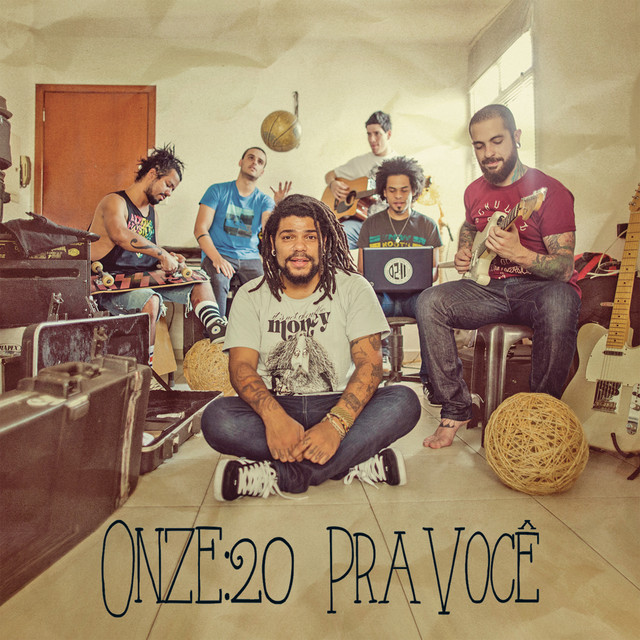
Pra Você
Onze:20
2004
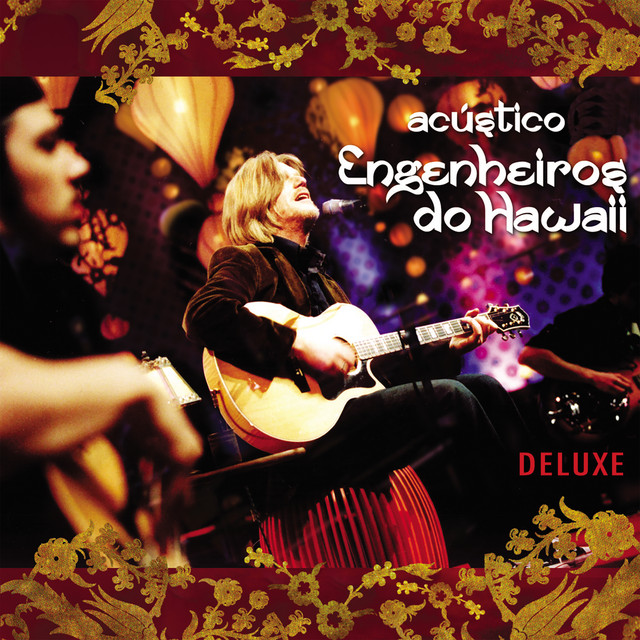
Acústico (Ao Vivo / Deluxe)
Engenheiros Do Hawaii
2014
Ai Que Saudade d'Ocê - Single
Zeca Baleiro
2018
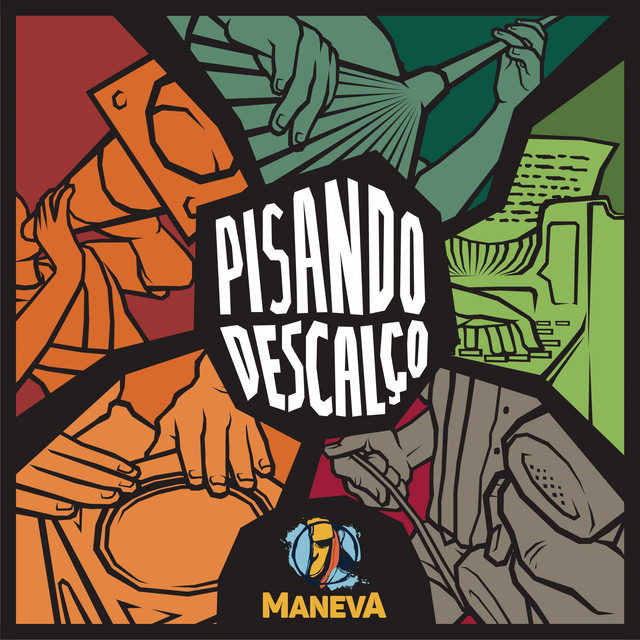
Pisando Descalço
Maneva
2012
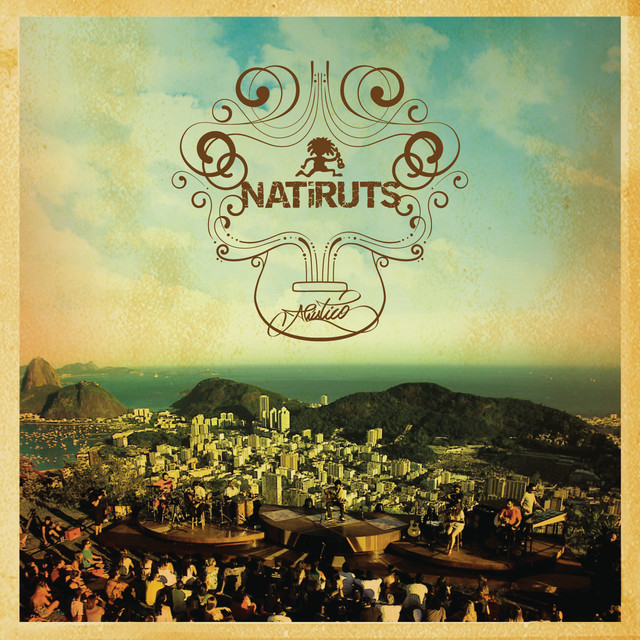
Natiruts Acústico no Rio de Janeiro (Ao Vivo)
Natiruts
2024
CAJU
Liniker
2024
Esquinas
ANAVITÓRIA
2016
Ela Só Quer Paz
Projota
2018
Andressa Acústico
Delacruz
Download our mobile app
Get the Melodigging app and start digging for new genres on the go
Download on the App Store
Get it on Google Play
© 2026 Melodigging
Give feedback
Legal
Melodding was created as a tribute to
Every Noise at Once
, which inspired us to help curious minds keep digging into music's ever-evolving genres.