Genres
Make Music
Artists
Albums
Challenges
Sign in
Sign in
Albums
By Cho Il-ha 조일하
Albums
By Cho Il-ha 조일하
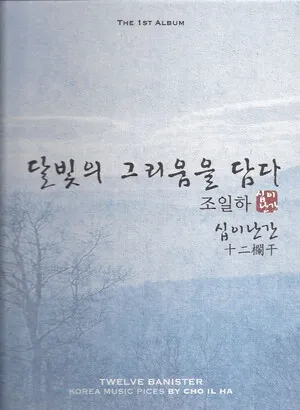
달빛의 그리움을 담다 - 십이난간 (Twelve Banister)
November 5, 2012
Listen
1
/5
Genres
Hyangak
Hyangak literally means “native music” and denotes the repertoire of indigenous Korean court and aristocratic music, as distinguished from imported Chinese (dangak) and Confucian ritual (aak) traditions. It is characterized by stately pacing, spacious phrasing aligned to breath and gesture, and elegant heterophonic textures in which multiple instruments render the same melody with individualized ornamentation. Typical hyangak ensembles feature the three iconic native strings—geomungo (zither), gayageum (zither), and hyangbipa (pear-shaped lute)—alongside winds such as daegeum (large transverse bamboo flute), piri (double-reed oboe), junggeum and sogeum (smaller flutes), and bowed haegeum, supported by timekeeping percussion like janggu (hourglass drum), buk (barrel drum), bak (clapper), and jwago. Modal language centers on Korean pentatonic modes (notably pyeongjo and gyemyeonjo), subtle intonation, and ornate sigimsae (ornamentation), yielding a serene yet dignified sound ideal for banquets and ceremonial occasions. The iconic piece “Sujecheon” stands as a hallmark of the style.
Discover
Listen
Jeongak
Jeongak is the refined classical court and aristocratic music of Korea, encompassing ritual (aak), Chinese-derived (dangak), and native court (hyangak) traditions under a broader aesthetic of elegance, restraint, and balance. It is performed on an ensemble of wind, string, and percussion instruments such as piri and daegeum (oboes and transverse bamboo flutes), haegeum (two‑string fiddle), gayageum and geomungo (zithers), and various drums and gongs. The style emphasizes calm tempi, cyclical rhythmic patterns (jangdan), heterophonic texture, and subtle ornamentation (sigimsae and nonghyeon). Core repertory includes suites like Yeongsanhoesang and Boheoja and the stately music for royal ancestral rites (Jongmyo Jeryeak). Jeongak is closely associated with Confucian court culture and literati ideals, privileging poise, precision, and contemplative beauty.
Discover
Listen
Similar albums
1987
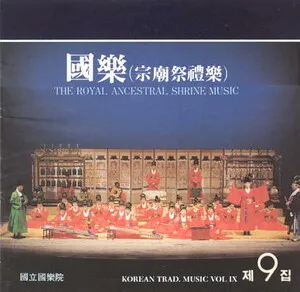
國樂(宗廟祭禮樂)
National Gugak Center 국립국악원
2019
이 결 대금정악 [Daegeum Jeongak]
Lee Kyoul 이결
2018
아쟁 정악 자진한잎 (Jajinhannip Ajaeng Jeongak)
Kim Min-joung 김민정
2022
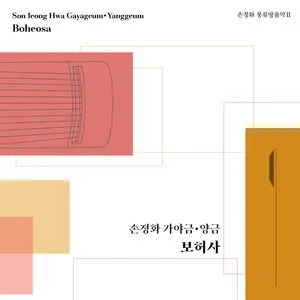
풍류방음악 II: 가야금ㆍ양금 보허사
Son Jeonghwa 손정화
2023
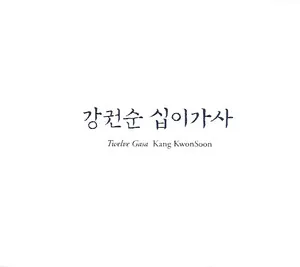
십이가사 (Twelve Gasa)
Kang Kwon-soon 강권순
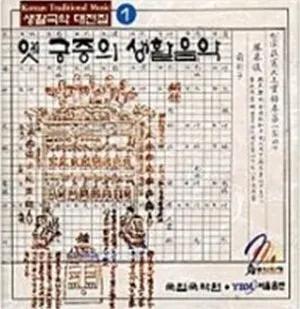
1999
옛 궁중의 생활음악 (The Living Korean Classical Music Collection 1)
국립국악원 연주단 [National Gugak Center Orchestra]
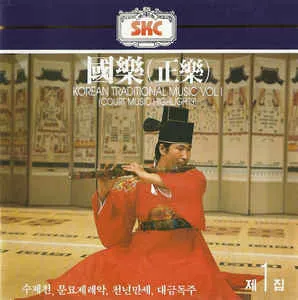
1987
국악 제1집 (Korean Traditional Music Vol. I: Court Music Highlights)
국립 국악원 [The National Classical Music Institute]
2014
Corée : Jongmyo Jeryeak - Musique rituelle pour les ancêtres royaux
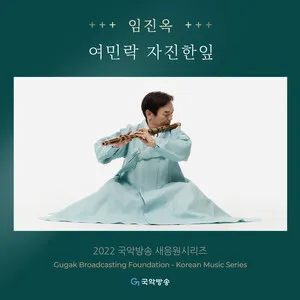
2023
여민락 · 자진한잎
Lim Jin-ok 임진옥
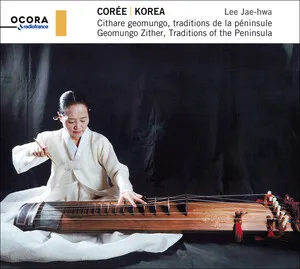
2025
Cithare Geomungo, Traditions de la Péninsule
Lee Jae-hwa 이재화
Download our mobile app
Get the Melodigging app and start digging for new genres on the go
Download on the App Store
Get it on Google Play
© 2026 Melodigging
Give feedback
Legal
Melodding was created as a tribute to
Every Noise at Once
, which inspired us to help curious minds keep digging into music's ever-evolving genres.