Genres
Make Music
Artists
Albums
Challenges
Sign in
Sign in
Albums
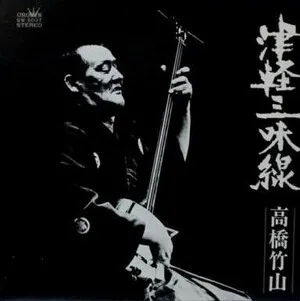
By Chikuzan Takahashi 高橋竹山
Albums
By Chikuzan Takahashi 高橋竹山
Tsugaru Shamisen 津軽三味線
April 7, 2021
Listen
2
/5
Genres
East Asian Folk Music
East Asian folk music is an umbrella term for the traditional, community-rooted musics of China, Japan, Korea, Mongolia, and related cultures in the region. While the practices themselves are ancient, the category coalesced in the 1900s as folklorists, broadcasters, and state ensembles began documenting, standardizing, and reviving rural and ritual repertoires. Typical features include pentatonic-based melodies, flexible rhythm and meter, and heterophonic textures in which multiple performers ornament the same tune simultaneously. Vocal styles range from narrative epics and work songs to lyrical art-folk ballads, often delivered with regional timbres and rich ornamentation. Signature instruments include the Chinese erhu, pipa, dizi, and guzheng; the Japanese shamisen, shakuhachi, and koto; the Korean gayageum, haegeum, piri, and janggu; and Mongolian morin khuur and tovshuur, alongside various frame drums and gongs. Beyond village and ritual contexts, East Asian folk music today thrives on stage and in media, influencing popular genres and fusions that retain traditional scales, storytelling, and timbral aesthetics.
Discover
Listen
Japanese Folk Music
Japanese folk music (min'yō and related regional traditions) is the collective body of vernacular song and instrumental practices that arose among Japan’s rural and coastal communities. It includes work songs (rice-planting, fishing, sake-brewing), festival and dance songs (Bon-odori), travelers’ and boatmen’s songs, lullabies, and ritual/seasonal chants. Melodies commonly draw on pentatonic collections such as the yo and in scales, and are richly ornamented with kobushi (vocal turns) and flexible timing shaped by ma (intentional silence/space). Textures are largely monophonic or heterophonic, with unison singing doubled by instruments like shamisen, fue (transverse bamboo flutes), shakuhachi, and sometimes koto; taiko and local percussion support dance and procession contexts. Regional styles (e.g., Tsugaru in the north, Amami in the south, Okinawa and Ainu traditions) contribute distinctive timbres, rhythms, and repertories that together define the breadth of Japanese folk expression.
Discover
Listen
Japanese Music
Japanese music is a broad umbrella that spans ancient court and religious traditions, regional folk repertoires, and a vast spectrum of modern popular and experimental styles. Its aesthetic is often defined by timbral nuance, the expressive use of silence (ma), flexible rhythm, and modal pitch collections distinct from common-practice Western harmony. Core traditional streams include gagaku (imperial court music), shōmyō (Buddhist chant), noh and kabuki theater music (e.g., nagauta), and min'yō (folk song). Instruments such as the koto, shamisen, shakuhachi, biwa, and various taiko drums shape its signature sound. Since the Meiji period, Western classical, band, jazz, rock, electronic, and hip-hop idioms have been localized into uniquely Japanese forms—from kayōkyoku and enka to city pop, J-pop, Vocaloid, and game/anime music.
Discover
Listen
Similar albums
1970
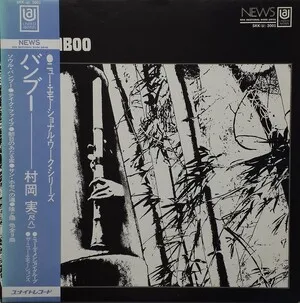
Bamboo
Minoru Muraoka 村岡実
2017
Echoes of Japan (エコーズ・オブ・ジャパン)
Minyo Crusaders
1990
Japan: Traditional Vocal & Instrumental Music
Kengyo Mitsuzaki 光崎検校 / Kōtō Minezaki 峰崎勾当
2017
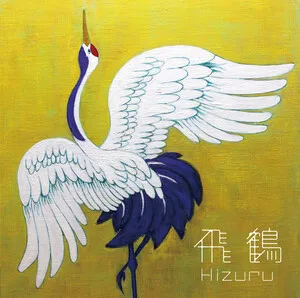
飛鶴 -Hizuru-
Hizuru
1977
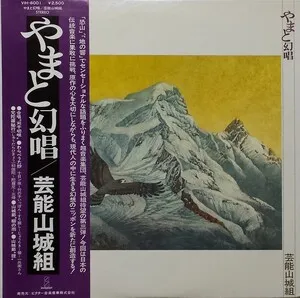
Yamato Gensho やまと幻唱
Geinoh Yamashirogumi 芸能山城組
2009
Hikiyomigusa 弾き詠み草
Harue Momoyama 桃山晴衣
2005
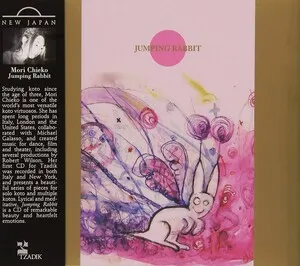
Jumping Rabbit
Chieko Mori
1995
Chinese Traditional Erhu Music 1
Lei Qiang
2001
Chinese Traditional Yang-Qin Music
Anna Guo
1977
Japan: Shakuhachi - The Japanese Flute
Kohachiro Miyata
Download our mobile app
Get the Melodigging app and start digging for new genres on the go
Download on the App Store
Get it on Google Play
© 2026 Melodigging
Give feedback
Legal
Melodding was created as a tribute to
Every Noise at Once
, which inspired us to help curious minds keep digging into music's ever-evolving genres.