Genres
Artists
Albums
Make Music
Sign in
Sign in
Albums
By Ensemble Modern
Albums
By Ensemble Modern
Theseus Games / Earth Dances
August 9, 2004
Listen
Genres
American Contemporary Classical
American contemporary classical is the broad umbrella for concert music created in the United States from the mid‑20th century to the present. It includes post‑war modernist currents, radical experimentalism, minimalist process music, and today’s post‑genre, postmodern eclecticism. Hallmarks include expanded harmonic palettes (from atonality and serialism to neo‑tonality and modal writing), rhythmic innovation (pulse‑driven minimalism, additive meters, phasing), a keen interest in timbre (extended techniques, prepared instruments, unconventional ensembles), and a deep engagement with technology (tape, electronics, live processing). American strands often braid in vernacular influences—jazz, rock, folk hymnody—alongside rigorous “uptown” academic traditions, yielding a scene that is both institutionally grounded and fiercely independent.
Discover
Listen
Zeitoper
Zeitoper (literally “opera of the times”) is a Weimar-era operatic current that set contemporary, urban life on the operatic stage. Emerging in late‑1920s Germany, it fused classical vocal writing with the rhythms, timbres, and topicality of the day—foxtrot and tango grooves, jazz harmonies and instrumentation, telephones, radios, cars, and news bulletins. Typical works are fast‑paced, satirical, and montage‑like, prioritizing clarity, brevity, and immediacy. The music often blends neoclassical transparency with jazz-inflected chords and dance rhythms, while librettos target modern subjects such as mass media, celebrity culture, bureaucracy, and technology. The result is a sharp, witty, and socially observant opera designed for—and about—its contemporary audience.
Discover
Listen
Classical
Classical music is the notated art-music tradition of Europe and its global descendants, characterized by durable forms, carefully codified harmony and counterpoint, and a literate score-based practice. The term “classical” can refer broadly to the entire Western art-music lineage from the Medieval era to today, not just the Classical period (c. 1750s–1820s). It privileges long-form structures (such as symphonies, sonatas, concertos, masses, and operas), functional or modal harmony, thematic development, and timbral nuance across ensembles ranging from solo instruments to full orchestras and choirs. Across centuries, the style evolved from chant and modal polyphony to tonal harmony, and later to post-tonal idioms, while maintaining a shared emphasis on written notation, performance practice, and craft.
Discover
Listen
Similar albums
2025
Primer
Hainbach & Ensemble Modern
2006
Complete Choral Works
György Kurtág; SWR Vokalensemble Stuttgart, Ensemble Modern, Marcus Creed
2026
With These Hands
Jan Bang & Ensemble Modern
2024
AION For Large Ensemble, Artificial Intelligence and Electronics
Ensemble Modern, Experimentalstudio des SWR & Peter Tilling
2007
Furioso / Gegen unendlich / Fugitive beauté / Apo do
Mathias Spahlinger; Ensemble Modern, Ensemble Recherche & Arditti String Quartet
2010
Vigilia
Wolfgang Rihm; ChorWerk Ruhr, Ensemble Modern & Rupert Huber
2017
Lieder von einer Insel / Orpheus Behind the Wire / Fünf Madrigäle
Hans Werner Henze; Ensemble Modern, SWR Vokalensemble, Marcus Creed
2026
Heiner Goebbels: Walden
Heiner Goebbels, Bob Rutman, Ensemble Modern & Peter Eötvös
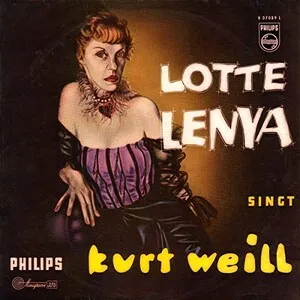
1955
Lotte Lenya singt Kurt Weill
Kurt Weill / Lotte Lenya
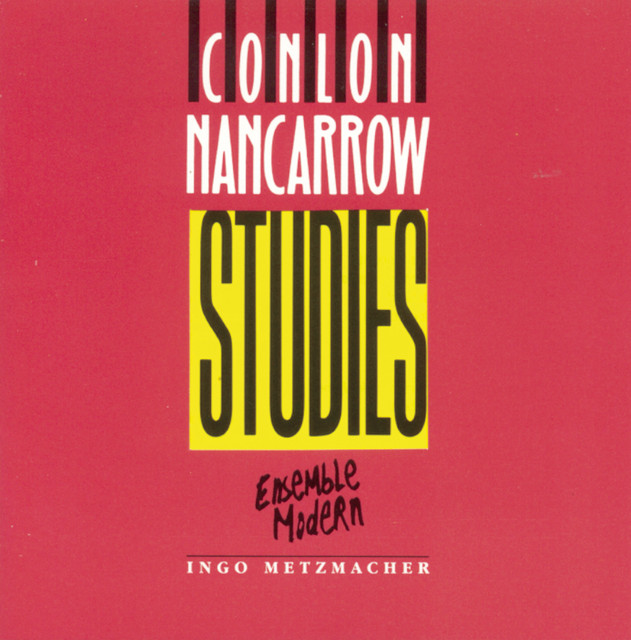
1993
Studies
Conlon Nancarrow / Ensemble Modern / Ingo Metzmacher
Download our mobile app
Get the Melodigging app and start digging for new genres on the go
Download on the App Store
Get it on Google Play
© 2026 Melodigging
Give feedback
Legal
Melodding was created as a tribute to
Every Noise at Once
, which inspired us to help curious minds keep digging into music's ever-evolving genres.