Genres
Make Music
Artists
Albums
Challenges
Sign in
Sign in
Albums
By Horslips
Albums
By Horslips
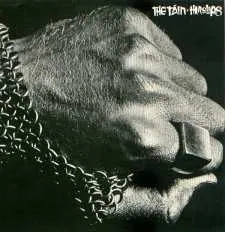
The Táin
August 14, 2009
Listen
1
/5
Genres
Celtic Rock
Celtic rock blends the energy and instrumentation of rock with the melodic modes, dance rhythms, and timbres of Celtic traditions from Ireland, Scotland, and Brittany. Electric guitars, bass, and drum kit sit alongside fiddles, tin whistles, uilleann pipes, bouzouki, and bagpipes, creating anthemic songs and tune sets that feel both ancient and modern. Emerging in the early 1970s, the style offered a contemporary vehicle for Celtic languages and storytelling, while keeping jigs, reels, and airs alive on amplified stages. Over time it grew into a festival-ready sound that influenced punk, metal, and various pop crossovers, and became a musical emblem of Celtic identity at home and in the diaspora.
Discover
Listen
Progressive Rock
Progressive rock is a rock subgenre that expands the genre’s formal, harmonic, and conceptual boundaries. It favors long-form compositions, intricate arrangements, and virtuosic musicianship, often drawing on Western classical, jazz, folk, and psychedelic idioms. Typical hallmarks include multi-part suites, shifting time signatures, extended instrumental passages, recurring motifs, and concept albums that present unified themes or narratives. The sound palette commonly features electric guitar, bass, and drums alongside an array of keyboards (Hammond organ, Mellotron, Moog/ARP synthesizers, piano), woodwinds or brass, and occasional orchestral additions. Lyrics often explore science fiction, mythology, philosophy, social commentary, and introspective themes.
Discover
Listen
Rock
Rock is a broad family of popular music centered on amplified instruments, a strong backbeat, and song forms that foreground riffs, choruses, and anthemic hooks. Emerging from mid‑20th‑century American styles like rhythm & blues, country, and gospel-inflected rock and roll, rock quickly expanded in scope—absorbing folk, blues, and psychedelic ideas—while shaping global youth culture. Core sonic markers include electric guitar (often overdriven), electric bass, drum kit emphasizing beats 2 and 4, and emotive lead vocals. Rock songs commonly use verse–chorus structures, blues-derived harmony, and memorable melodic motifs, ranging from intimate ballads to high‑energy, stadium‑sized performances.
Discover
Listen
Folk
Folk is a song-centered acoustic tradition rooted in community storytelling, everyday life, and social history. It emphasizes clear melodies, simple harmonies, and lyrics that foreground narrative, protest, and personal testimony. As a modern recorded genre, folk coalesced in the early-to-mid 20th century in the United States out of older ballad, work song, and rural dance traditions. It typically features acoustic instruments (guitar, banjo, fiddle, mandolin, harmonica), strophic song forms, and participatory singing (choruses, call-and-response).
Discover
Listen
Similar albums
1970
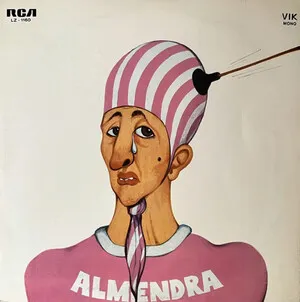
Almendra
Almendra
1994
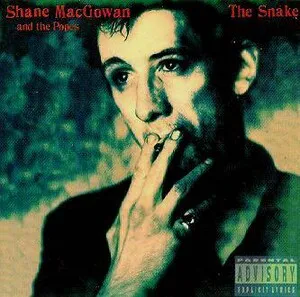
The Snake
Shane MacGowan and The Popes
2009
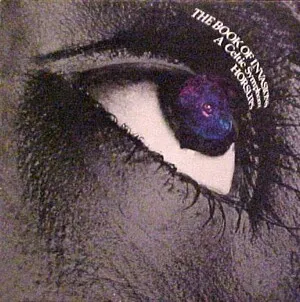
The Book of Invasions: A Celtic Symphony
Horslips
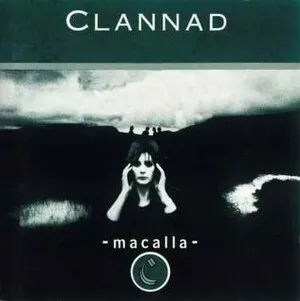
1985
Macalla
Clannad
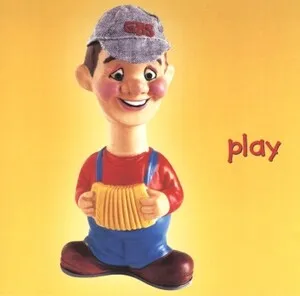
1997
Play
Great Big Sea
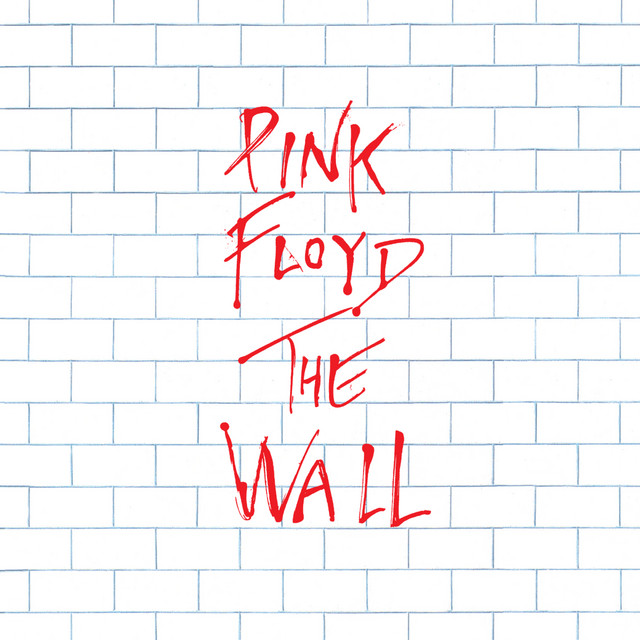
1979
The Wall
Pink Floyd
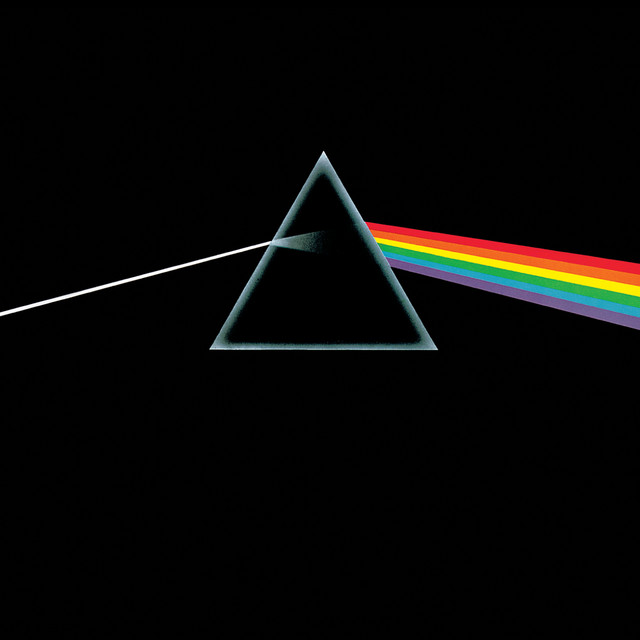
1973
The Dark Side of the Moon
Pink Floyd
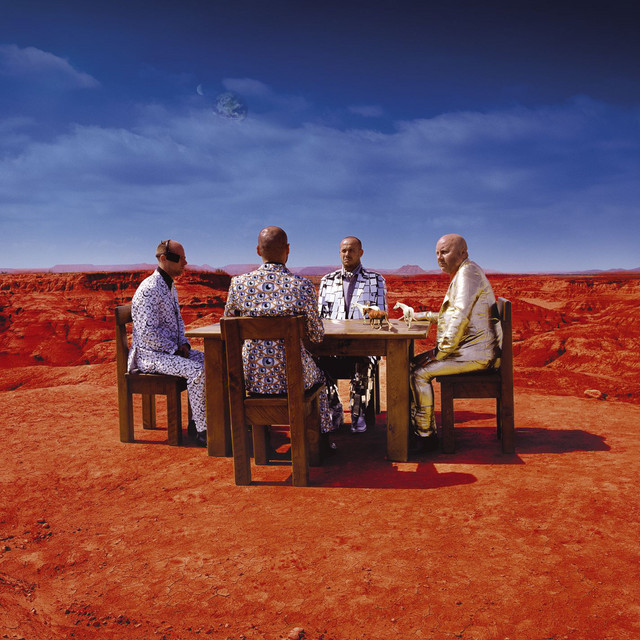
2006
Black Holes and Revelations
Muse
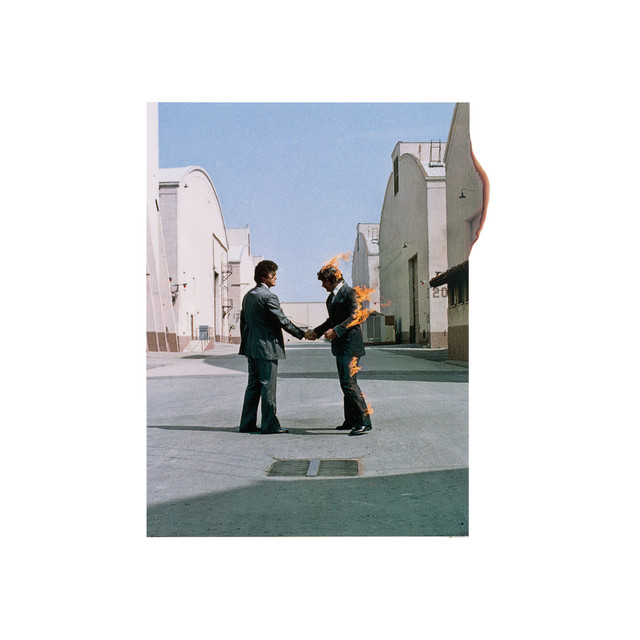
1975
Wish You Were Here
Pink Floyd
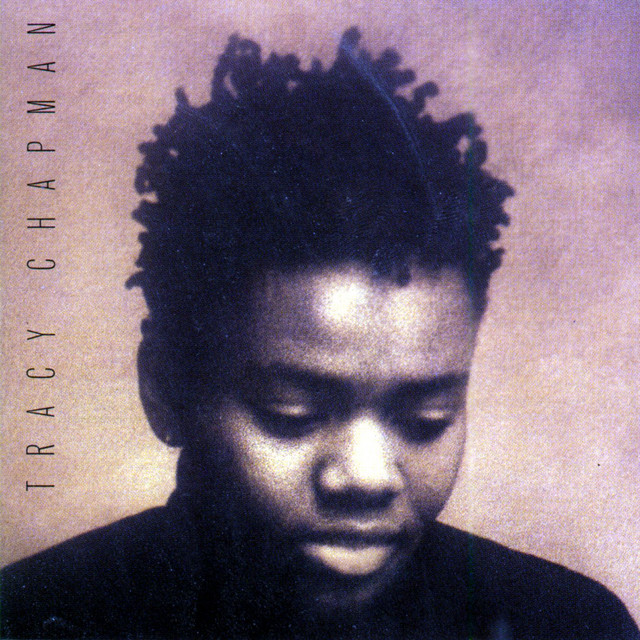
1988
Tracy Chapman
Tracy Chapman
Download our mobile app
Get the Melodigging app and start digging for new genres on the go
Download on the App Store
Get it on Google Play
© 2026 Melodigging
Give feedback
Legal
Melodding was created as a tribute to
Every Noise at Once
, which inspired us to help curious minds keep digging into music's ever-evolving genres.