Genres
Artists
Albums
Make Music
Sign in
Sign in
Albums
By Giovanni Pierluigi da Palestrina
Albums
By Giovanni Pierluigi da Palestrina
The Palestrina 400 Collection
1993
Listen
Genres
Mass
Mass is a large-scale vocal genre that sets the Ordinary of the Roman Catholic liturgy—Kyrie, Gloria, Credo, Sanctus (and Benedictus), and Agnus Dei—most often in Latin. It began as monophonic chant but developed into sophisticated polyphony and later into concert works for choir, soloists, and instruments or full orchestra. Across history, composers have used techniques such as cantus firmus, imitation, paraphrase, and parody to unify movements. The genre spans from austere a cappella writing to monumental symphonic-choral statements, and today is performed both liturgically and in the concert hall. Common subtypes include Missa brevis (short Mass, often omitting the Credo or compact in scale) and Missa solemnis (festal, expansive forces and duration).
Discover
Listen
Classical
Classical music is the notated art-music tradition of Europe and its global descendants, characterized by durable forms, carefully codified harmony and counterpoint, and a literate score-based practice. The term “classical” can refer broadly to the entire Western art-music lineage from the Medieval era to today, not just the Classical period (c. 1750s–1820s). It privileges long-form structures (such as symphonies, sonatas, concertos, masses, and operas), functional or modal harmony, thematic development, and timbral nuance across ensembles ranging from solo instruments to full orchestras and choirs. Across centuries, the style evolved from chant and modal polyphony to tonal harmony, and later to post-tonal idioms, while maintaining a shared emphasis on written notation, performance practice, and craft.
Discover
Listen
Medieval
Medieval music refers to the diverse sacred and secular musical practices of Europe between the fall of the Western Roman Empire and the dawn of the Renaissance. It spans more than eight centuries, from early monophonic chant to the first notated polyphony. Core features include the use of church modes rather than major/minor, extensive reliance on vocal music (Latin sacred chant as well as vernacular song), and the progressive development from unmeasured chant to rhythmic modal notation and, later, mensural notation. Texture evolves from monophony (plainchant, troubadour songs) to organum, conductus, and the motet, culminating in complex isorhythmic works by the late 13th–14th centuries. Secular traditions—troubadours and trouvères in France, Minnesänger in German lands, and the Iberian Cantigas—coexisted with and influenced sacred practice. Instruments such as the vielle, harp, psaltery, recorder, shawm, hurdy-gurdy, and portative organ often doubled or accompanied voices, though much music remained purely vocal.
Discover
Listen
Similar albums
1987
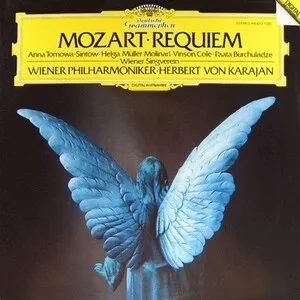
Requiem
Wolfgang Amadeus Mozart / Franz Xaver Süssmayr
1980
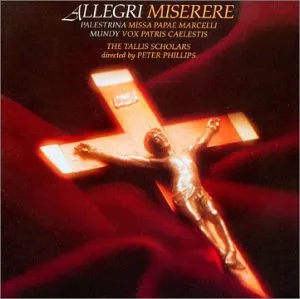
Miserere / Missa Papae Marcelli / Vox Patris caelestis
Gregorio Allegri / The Tallis Scholars / Peter Phillips
2000
Messe en si
Johann Sebastian Bach / Collegium Vocale Gent / Philippe Herreweghe
1971
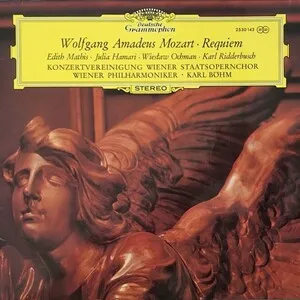
Requiem
Wolfgang Amadeus Mozart / Franz Xaver Süssmayr
1985
A Feather on the Breath of God
Hildegard von Bingen
1985
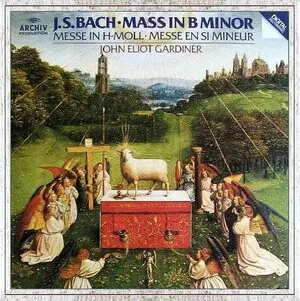
Mass in B minor
Johann Sebastian Bach / John Eliot Gardiner
1994
Miserere; Messe; Motets
Gregorio Allegri / A Sei Voci
2012
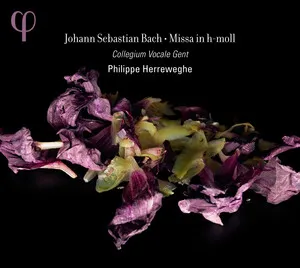
Missa in h-Moll
Johann Sebastian Bach / Collegium Vocale Gent / Philippe Herreweghe
2022
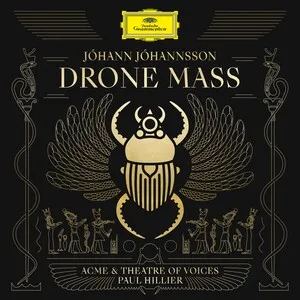
Drone Mass
Jóhann Jóhannsson, Theatre of Voices, Paul Hillier & American Contemporary Musi…
2001
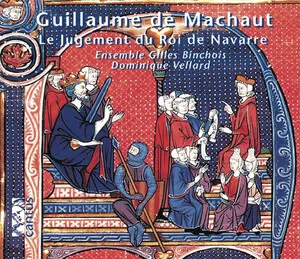
Le jugement du Roi de Navarre
Guillaume de Machaut / Ensemble Gilles Binchois / Dominique Vellard
Download our mobile app
Get the Melodigging app and start digging for new genres on the go
Download on the App Store
Get it on Google Play
© 2026 Melodigging
Give feedback
Legal
Melodding was created as a tribute to
Every Noise at Once
, which inspired us to help curious minds keep digging into music's ever-evolving genres.