Genres
Make Music
Artists
Albums
Challenges
Sign in
Sign in
Albums
By Esoteric
Albums
By Esoteric
The Maniacal Vale
2008
Listen
2
/5
Genres
Funeral Doom Metal
Funeral doom metal is an extremely slow, heavy, and atmospheric branch of doom metal that emphasizes vast, processional tempos, cavernous distortion, and a pervasive sense of grief and existential dread. Songs are often very long (10–20+ minutes), built from sustained power chords, sparse drum hits, and layers of organ or synth pads that evoke liturgical or funereal settings. Vocals tend to be deep growls, grave spoken passages, or distant, chant-like singing, while melodies unfold minimally over glacial harmonic movement. The production aesthetic favors expansive reverbs, long decays, and dynamic swells that create an immense, immersive sound field. Lyrically, the genre explores mortality, loss, spiritual desolation, and cosmic emptiness, often pairing its sonic weight with poetic, introspective texts.
Discover
Listen
Death Metal
Death metal is an extreme subgenre of heavy metal defined by heavily distorted, low‑tuned guitars, rapid and complex riffing, blast beat drumming, and harsh guttural vocals. Its harmonic language favors chromaticism, dissonance, and tremolo-picked lines that create an ominous, abrasive atmosphere. Lyrically, death metal often explores dark or transgressive themes—mortality, mythology, anti-religion, psychological horror, and the macabre—sometimes with philosophical or social commentary. Production ranges from raw and cavernous to hyper-precise and technical, reflecting the genre’s many regional scenes and substyles. From the mid‑1980s Florida scene (Tampa) and parallel developments in the US, UK, and Sweden, death metal evolved into numerous branches including brutal death metal, technical death metal, melodic death metal, and death‑doom, each emphasizing different aspects of speed, complexity, melody, or heaviness.
Discover
Listen
Doom Metal
Doom metal is a heavy metal subgenre defined by slow to mid-tempo grooves, down-tuned, highly distorted guitars, and an atmosphere of dread, melancholy, and weight. It emphasizes ominous, minor-key riffs and sustained tones over speed or virtuosity, creating a crushing sense of space and inevitability. Vocals range from plaintive and theatrical (epic/traditional doom) to anguished wails or harsh growls (death-doom), and lyrics often explore themes of suffering, mortality, the occult, apocalyptic visions, and existential despair. Song structures are typically riff-centric and long-form, with repetition and gradual dynamic shifts producing a hypnotic, ritualistic feel.
Discover
Listen
Rock
Rock is a broad family of popular music centered on amplified instruments, a strong backbeat, and song forms that foreground riffs, choruses, and anthemic hooks. Emerging from mid‑20th‑century American styles like rhythm & blues, country, and gospel-inflected rock and roll, rock quickly expanded in scope—absorbing folk, blues, and psychedelic ideas—while shaping global youth culture. Core sonic markers include electric guitar (often overdriven), electric bass, drum kit emphasizing beats 2 and 4, and emotive lead vocals. Rock songs commonly use verse–chorus structures, blues-derived harmony, and memorable melodic motifs, ranging from intimate ballads to high‑energy, stadium‑sized performances.
Discover
Listen
Similar albums
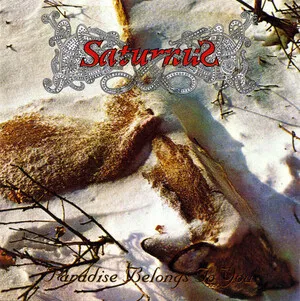
1997
Paradise Belongs to You
Saturnus
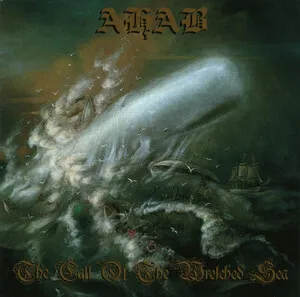
2006
The Call of the Wretched Sea
Ahab
1991
Mental Funeral
Autopsy
1993
Transcendence Into the Peripheral
diSEMBOWELMENT
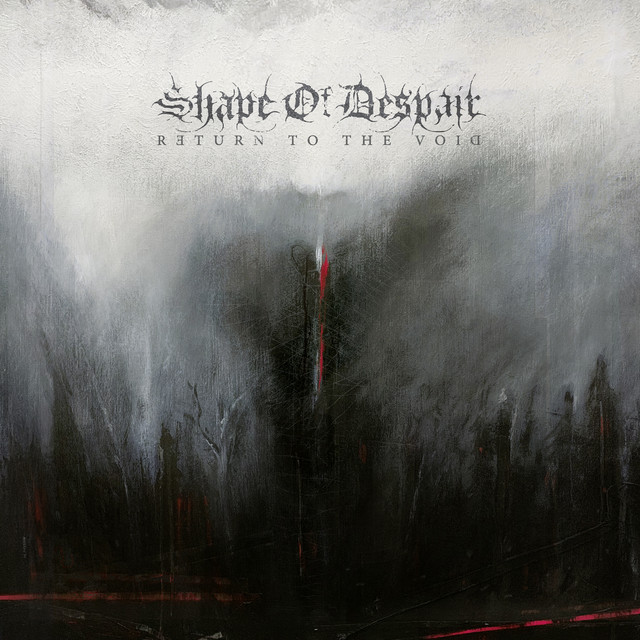
2022
Return to the Void
Shape Of Despair
1995
Stormcrowfleet
Skepticism
2017
Departe
Clouds
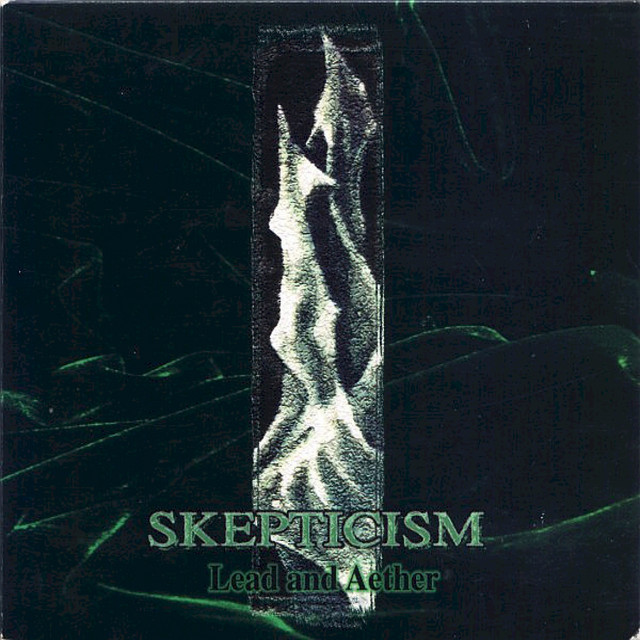
1998
Lead and Aether
Skepticism
2012
Atra mors
Evoken
2002
The Sullen Sulcus
Mourning Beloveth
Download our mobile app
Get the Melodigging app and start digging for new genres on the go
Download on the App Store
Get it on Google Play
© 2026 Melodigging
Give feedback
Legal
Melodding was created as a tribute to
Every Noise at Once
, which inspired us to help curious minds keep digging into music's ever-evolving genres.