Genres
Make Music
Artists
Albums
Challenges
Sign in
Sign in
Albums
By Heitor Villa-Lobos
Albums
By Heitor Villa-Lobos
The Complete Solo Guitar Music
1997
Listen
1
/5
Genres
Brazilian Classical Music
Brazilian classical music is the national art‑music tradition that fuses European concert music with the rhythms, melodies, and timbres of Brazil. It emerged as composers absorbed the harmonic language and forms of the Classical and Romantic eras and then wove in modinha, lundu, choro, and other popular/folk idioms. Across orchestral, chamber, operatic, and solo repertoire—often with guitar and voice at the center—its hallmarks include lyrical, song‑forward themes, syncopated and dance‑derived rhythms, colorful orchestration, and frequent evocations of regional and Indigenous materials. From the late‑Romantic operas of Carlos Gomes to Villa‑Lobos’s modernist Bachianas and Chôros cycles, the style maps a distinctly Brazilian identity onto classical craft.
Discover
Listen
Étude
An étude is a short solo instrumental piece, most commonly for piano, designed to develop a specific technical skill while also standing as a musically satisfying work. Emerging in the early 19th century from pedagogical "studies," the concert étude transformed drill-like patterns (arpeggios, octaves, double notes, leaps, rapid scales, polyrhythms) into expressive miniatures suitable for the stage. Typical études are through-composed or ternary in shape, last a few minutes, and center on a single technical focus that is woven into the musical fabric. Although most associated with the piano, the étude tradition extends to violin, winds, brass, and other instruments, where sets of studies target instrument-specific techniques. Over time the genre has ranged from classical tonality (Czerny, Chopin) to late-Romantic and modern harmonic languages (Rachmaninoff, Scriabin, Debussy) and into avant-garde textures and extended techniques (Ligeti).
Discover
Listen
Prelude
A prelude is a short, often improvisatory-sounding instrumental piece that traditionally precedes another work or sets a tonal and expressive atmosphere on its own. Emerging in the early Baroque era from the practice of freely extemporizing before a liturgical or secular performance, the prelude evolved from unmeasured lute and keyboard introductions into highly crafted pieces for organ, harpsichord, and later piano. In the 19th century it became an autonomous character piece (e.g., Chopin’s Op. 28), while in the 20th century composers explored cyclic sets across all keys and a wide range of styles (Debussy, Rachmaninoff, Shostakovich). Despite its brevity and flexibility, the prelude typically establishes a key or mode, a figuration pattern, and a distinct mood, favoring clear tonal focus, continuous flow, and a compelling gesture over strict formal constraints.
Discover
Listen
Similar albums
1969
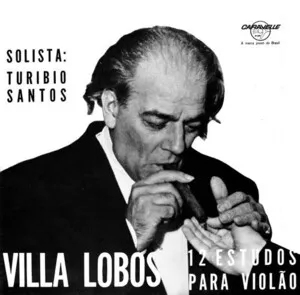
12 estudos para violão
Heitor Villa-Lobos / Turíbio Santos
2009
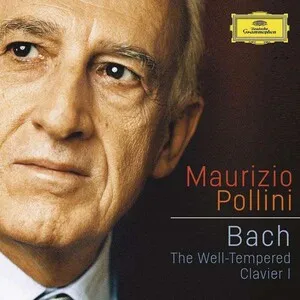
The Well-Tempered Clavier I
Johann Sebastian Bach / Maurizio Pollini
1980
24 Préludes, Op. 28
Frédéric Chopin / Maurizio Pollini
2017
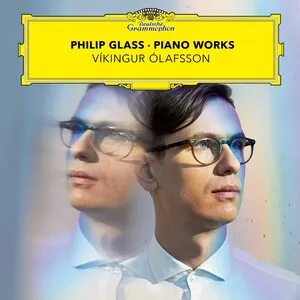
Piano Works
Philip Glass / Víkingur Ólafsson
1984
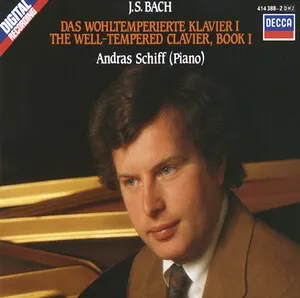
Das wohltemperierte Klavier I
Johann Sebastian Bach / András Schiff
2016
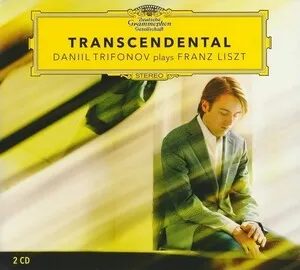
Transcendental
Franz Liszt / Daniil Trifonov
2024
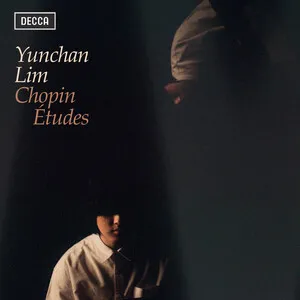
Études
Frédéric Chopin / Yunchan Lim 임윤찬
1972
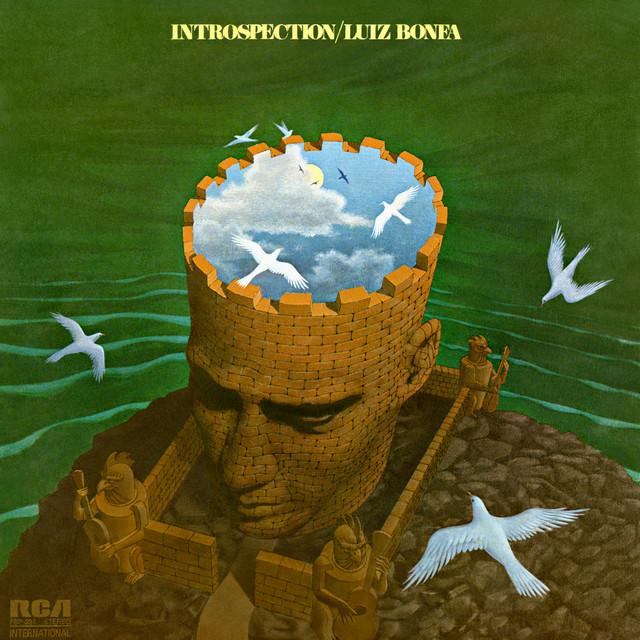
Introspection
Luiz Bonfá
2015
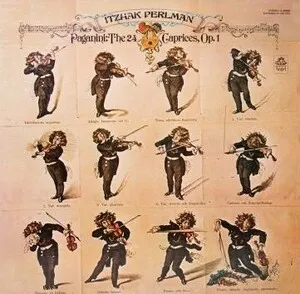
The 24 Caprices, Op. 1
Niccolò Paganini / Itzhak Perlman
2001
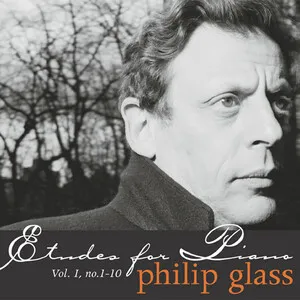
Etudes for Piano, Vol. I, No.1-10
Philip Glass
Download our mobile app
Get the Melodigging app and start digging for new genres on the go
Download on the App Store
Get it on Google Play
© 2026 Melodigging
Give feedback
Legal
Melodding was created as a tribute to
Every Noise at Once
, which inspired us to help curious minds keep digging into music's ever-evolving genres.