Genres
Make Music
Artists
Albums
Challenges
Sign in
Sign in
Albums
By Årabrot
Albums
By Årabrot
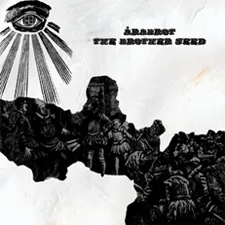
The Brother Seed
September 3, 2011
Listen
1
/5
Genres
Noisecore
Noisecore is an extreme offshoot of hardcore punk that fuses the speed and abrasion of punk with the sonic demolition of noise rock. It is defined by chaotic song structures, extremely short track lengths (often just seconds), screamed or unintelligible vocals, heavy feedback and distortion, blast‑beat drumming, and noise-saturated textures. Many recordings embrace lo‑fi aesthetics, clipping, and intentional "anti-production," reflecting a conscious rejection of formal musical theory and conventional songcraft. While closely related to grindcore, noisecore tends to be even more amorphous and riff‑less, prioritizing raw texture, saturation, and impact over groove or metal riffing. It arose in underground tape-trading scenes and DIY venues, where immediacy, provocation, and extremity were the point.
Discover
Listen
Alternative Rock
Alternative rock is a broad umbrella for guitar-based rock that emerged from the independent and college-radio scenes as a counterpoint to mainstream, commercial rock. It blends the energy and ethos of punk with the textural and songwriting experiments of post-punk, new wave, jangle pop, and noise rock, often foregrounding introspective or socially aware lyrics. Across its many strains—from the melodic minimalism of college rock to the loud-quiet-loud dynamics of grunge and the artful experimentation of Radiohead-era modernism—alternative rock prioritizes authenticity, sonic individuality, and a do-it-yourself approach. Its sound ranges from chiming, chorus-laden clean guitars to abrasive distortion and feedback, supported by straightforward rock rhythms or off-kilter grooves, and production that can be either raw and live-sounding or polished yet unconventional.
Discover
Listen
Experimental
Experimental music is an umbrella term for practices that prioritize exploration, process, and discovery over adherence to established genre norms. It embraces new sound sources, nonstandard tuning systems, indeterminacy and chance operations, graphic and open-form scores, extended techniques, and technology-led sound design (tape, electronics, computers, and live processing). Rather than a single style, it is a methodology and ethos: testing hypotheses about sound, structure, and performance, often blurring boundaries between composition, improvisation, sound art, and performance art. Listeners can expect unfamiliar timbres, unusual forms, and an emphasis on how music is made as much as the resulting sound.
Discover
Listen
Rock
Rock is a broad family of popular music centered on amplified instruments, a strong backbeat, and song forms that foreground riffs, choruses, and anthemic hooks. Emerging from mid‑20th‑century American styles like rhythm & blues, country, and gospel-inflected rock and roll, rock quickly expanded in scope—absorbing folk, blues, and psychedelic ideas—while shaping global youth culture. Core sonic markers include electric guitar (often overdriven), electric bass, drum kit emphasizing beats 2 and 4, and emotive lead vocals. Rock songs commonly use verse–chorus structures, blues-derived harmony, and memorable melodic motifs, ranging from intimate ballads to high‑energy, stadium‑sized performances.
Discover
Listen
Similar albums
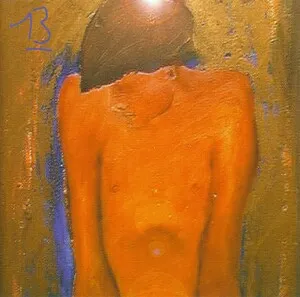
1999
13
Blur
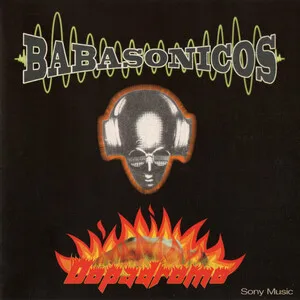
1996
Dopádromo
Babasónicos
1974
Meet The R. Stevie Moore!
R. Stevie Moore
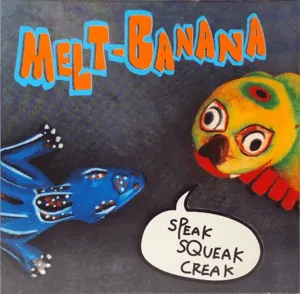
1994
Speak Squeak Creak
Melt-Banana
2004
Risto
Risto
1984
Psychic ... Powerless ... Another Mans Sac
Butthole Surfers
1997
Sentimental Education
Free Kitten
1995
Nice Ass
Free Kitten
2013
AM
Arctic Monkeys
2000
Parachutes
Coldplay
Download our mobile app
Get the Melodigging app and start digging for new genres on the go
Download on the App Store
Get it on Google Play
© 2026 Melodigging
Give feedback
Legal
Melodding was created as a tribute to
Every Noise at Once
, which inspired us to help curious minds keep digging into music's ever-evolving genres.