Genres
Artists
Albums
Make Music
Sign in
Sign in
Albums
By Hans Zimmer
Albums
By Hans Zimmer
The Bible: The Official Score Soundtrack to the Epic Mini Series
March 5, 2013
Listen
Genres
Baroque
Baroque is a period and style of Western art music spanning roughly 1600–1750. It is characterized by the birth of functional tonality, the widespread use of basso continuo (figured bass), and a love of contrast—between soloist and ensemble, loud and soft, and different timbres. Hallmark genres and forms of the era include opera, cantata, oratorio, concerto (especially the concerto grosso), dance suite, sonata, and fugue. Textures range from expressive monody to intricate counterpoint, and melodies are richly ornamented with trills, mordents, and appoggiaturas. Baroque music flourished in churches, courts, and theaters across Europe, with regional styles (Italian, French, German, English) shaping distinctive approaches to rhythm, dance, harmony, and ornamentation.
Discover
Listen
Classical
Classical music is the notated art-music tradition of Europe and its global descendants, characterized by durable forms, carefully codified harmony and counterpoint, and a literate score-based practice. The term “classical” can refer broadly to the entire Western art-music lineage from the Medieval era to today, not just the Classical period (c. 1750s–1820s). It privileges long-form structures (such as symphonies, sonatas, concertos, masses, and operas), functional or modal harmony, thematic development, and timbral nuance across ensembles ranging from solo instruments to full orchestras and choirs. Across centuries, the style evolved from chant and modal polyphony to tonal harmony, and later to post-tonal idioms, while maintaining a shared emphasis on written notation, performance practice, and craft.
Discover
Listen
Medieval
Medieval music refers to the diverse sacred and secular musical practices of Europe between the fall of the Western Roman Empire and the dawn of the Renaissance. It spans more than eight centuries, from early monophonic chant to the first notated polyphony. Core features include the use of church modes rather than major/minor, extensive reliance on vocal music (Latin sacred chant as well as vernacular song), and the progressive development from unmeasured chant to rhythmic modal notation and, later, mensural notation. Texture evolves from monophony (plainchant, troubadour songs) to organum, conductus, and the motet, culminating in complex isorhythmic works by the late 13th–14th centuries. Secular traditions—troubadours and trouvères in France, Minnesänger in German lands, and the Iberian Cantigas—coexisted with and influenced sacred practice. Instruments such as the vielle, harp, psaltery, recorder, shawm, hurdy-gurdy, and portative organ often doubled or accompanied voices, though much music remained purely vocal.
Discover
Listen
Similar albums
1981
The Goldberg Variations
Johann Sebastian Bach / Glenn Gould
2018
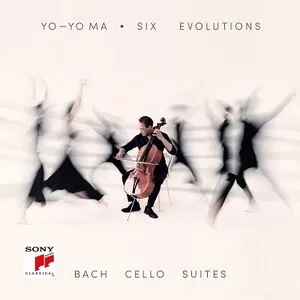
Six Evolutions: Bach Cello Suites
Johann Sebastian Bach / Yo-Yo Ma
2004
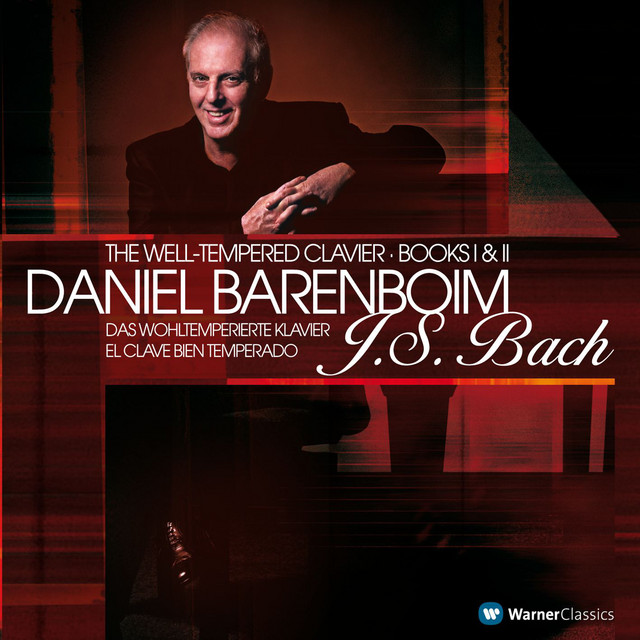
Bach, JS : Well-Tempered Clavier Books 1 & 2
Daniel Barenboim
1976
Messiah
Georg Friedrich Händel
2019
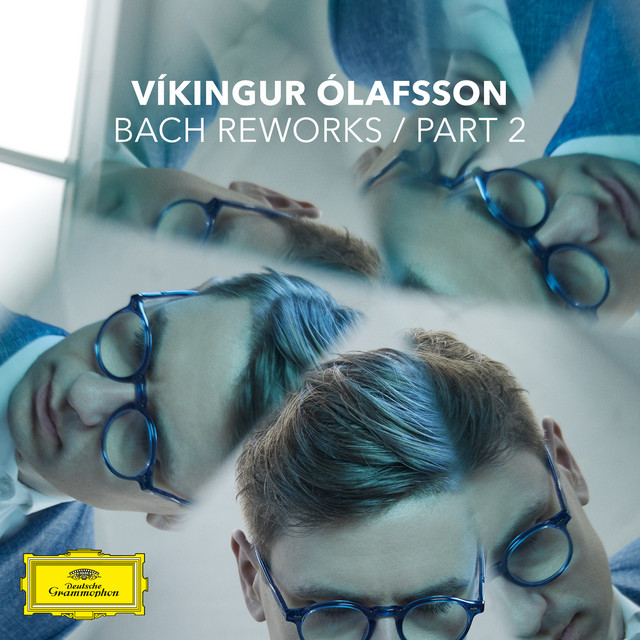
Bach Reworks (Pt. 2)
Víkingur Ólafsson
1989
The Brandenburg Concertos
Johann Sebastian Bach / Orchestra of the Age of Enlightenment
1997
Hilary Hahn Plays Bach
Johann Sebastian Bach / Hilary Hahn
1997
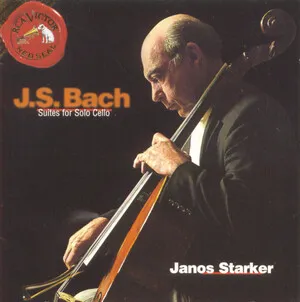
Suites for Solo Cello
Johann Sebastian Bach / János Starker
1956
The Goldberg Variations
Johann Sebastian Bach / Glenn Gould
1999
Matthäus-Passion
Johann Sebastian Bach
Download our mobile app
Get the Melodigging app and start digging for new genres on the go
Download on the App Store
Get it on Google Play
© 2026 Melodigging
Give feedback
Legal
Melodding was created as a tribute to
Every Noise at Once
, which inspired us to help curious minds keep digging into music's ever-evolving genres.