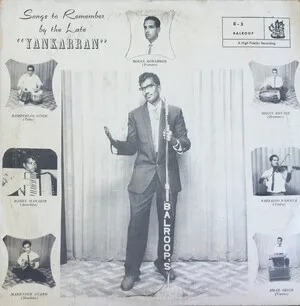
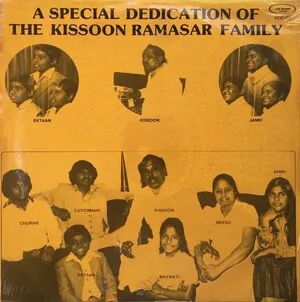
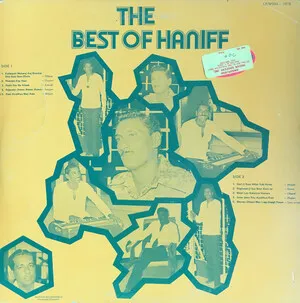
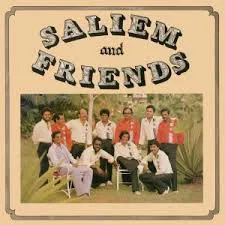
Bhojpuri folk music is the traditional song culture of the Bhojpuri-speaking belt of eastern Uttar Pradesh and western Bihar in northern India, with extensions into Nepal’s Terai and long-standing diasporic communities in the Caribbean and Indian Ocean. It accompanies the seasonal and social calendar—harvests, weddings, childbirth, pilgrimages, and festivals such as Holi and Chhath.
Musically, it blends village performance practice with Hindustani light-classical inflections. Common forms include sohar (childbirth songs), vivah/geet (wedding repertoire including bidai/farewell), chaita (spring), kajri (monsoon), phagua (Holi), nirgun (devotional/philosophical), and biraha (improvisatory, often competitive singing). Typical instrumentation features dholak, tabla, manjira, khartal, harmonium, bansuri (flute), and at times shehnai or sarangi; a tanpura or shruti box may provide a drone. Rhythms center on theka patterns like kaharwa (8-beat) and dadra (6-beat), supporting melodic contours that often touch raga families such as Kafi, Bilawal, Pahadi, and Bhairavi.
The genre’s lyrics are vivid, earthy, and direct, using local idiom to portray love, separation, humor, devotion, and migration. Performances frequently involve call-and-response, extempore verses, and a communal, participatory spirit.