Genres
Make Music
Artists
Albums
Challenges
Sign in
Sign in
Albums
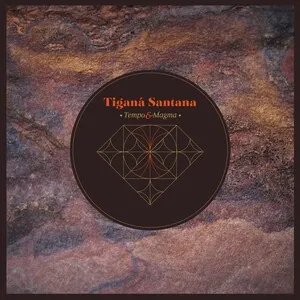
By Tiganá Santana
Albums
By Tiganá Santana
Tempo & magma
March 13, 2015
Listen
2
/5
Genres
Folk
Folk is a song-centered acoustic tradition rooted in community storytelling, everyday life, and social history. It emphasizes clear melodies, simple harmonies, and lyrics that foreground narrative, protest, and personal testimony. As a modern recorded genre, folk coalesced in the early-to-mid 20th century in the United States out of older ballad, work song, and rural dance traditions. It typically features acoustic instruments (guitar, banjo, fiddle, mandolin, harmonica), strophic song forms, and participatory singing (choruses, call-and-response).
Discover
Listen
Country
Country is a roots-based popular music from the rural American South that blends Anglo-Celtic ballad traditions with African American blues, gospel, and string-band dance music. It is characterized by narrative songwriting, plainspoken vocals with regional twang, and a palette of acoustic and electric instruments such as acoustic guitar, fiddle, banjo, pedal steel, and telecaster guitar. Rhythmically it favors two-step feels, train beats, shuffles, and waltzes, while harmony is largely diatonic (I–IV–V) with occasional country chromaticism and secondary dominants. Across a century, country has evolved through substyles like honky-tonk, the Nashville and Bakersfield sounds, outlaw country, neotraditionalist revivals, pop-country, and country-rap hybrids, but it consistently prioritizes storytelling about everyday life, love, work, faith, place, and identity.
Discover
Listen
Candomblé Music
Candomblé music is the sacred musical practice of the Afro-Brazilian religion Candomblé. It centers on polyrhythmic drumming ensembles, call-and-response singing, and dance that invites the presence (incorporation) of the orixás (divinities). The core ensemble features three hand-played atabaque drums (rum, rumpi, and lê), metal bells (agogô), and rattles/shakers (xequerê, adjá), with the lead drummer (alabê) cueing changes in rhythm and energy. Stylistically, it preserves multiple West and Central African lineages—especially Yoruba (Ketu/Nagô), Fon/Ewe (Jeje), and Kongo/Angola—expressed in distinct toques (rhythmic patterns) such as ijexá, alujá, agueré, congo, and opanijé. Chants are performed in liturgical languages (predominantly Yoruba/Nagô, as well as Kikongo/Kimbundu and Fon) and in Portuguese, using a responsorial texture led by a solo cantor with a unison chorus. The music is not entertainment but ritual: every rhythm, melody, and text is tied to specific orixás, colors, dances, and ceremonial moments. Beyond the terreiro (temple), Candomblé’s musical vocabulary has profoundly shaped Brazilian popular music, from afoxé and samba de roda to axé and MPB, especially through the diffusion of the ijexá timeline and call-and-response vocal aesthetics.
Discover
Listen
Similar albums
2023
Zach Bryan
Zach Bryan
2024
The Great American Bar Scene
Zach Bryan
1980
9 to 5 and Odd Jobs
Dolly Parton
1987
Ocean Front Property
George Strait
2025
Streets of London
Zach Bryan
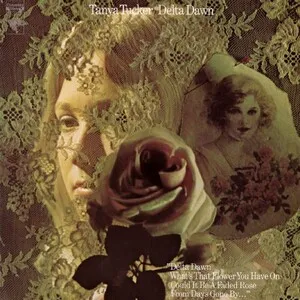
1972
Delta Dawn
Tanya Tucker
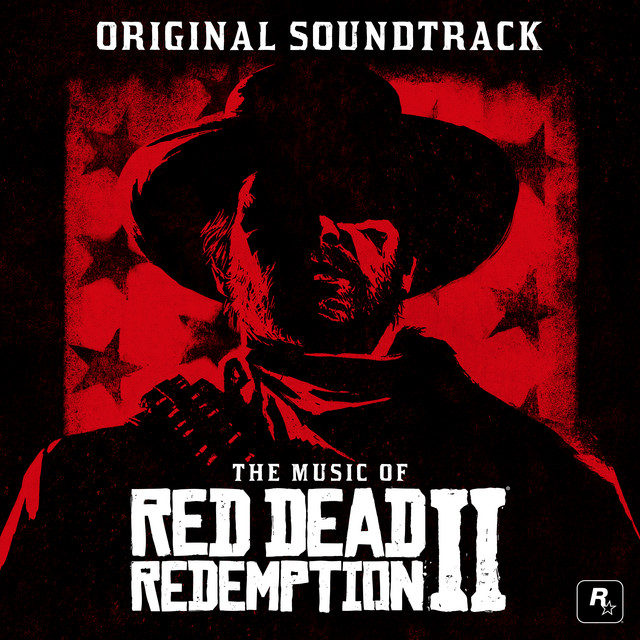
2019
The Music of Red Dead Redemption 2 (Original Soundtrack)
Rhiannon Giddens
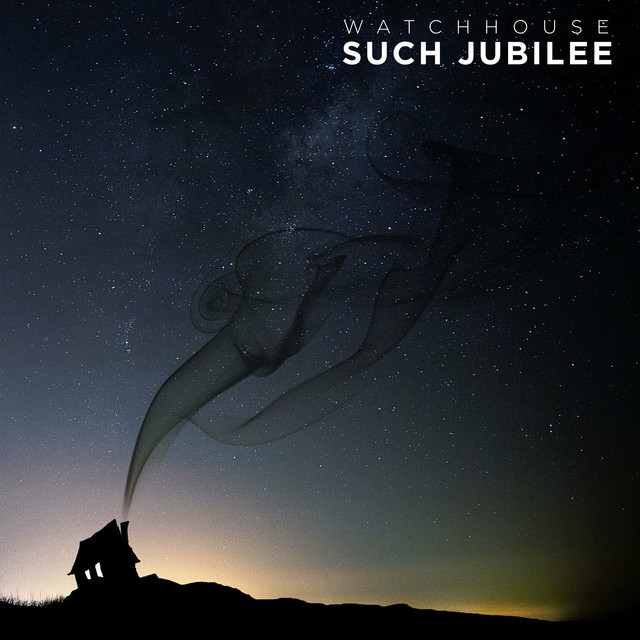
2015
Such Jubilee
Watchhouse
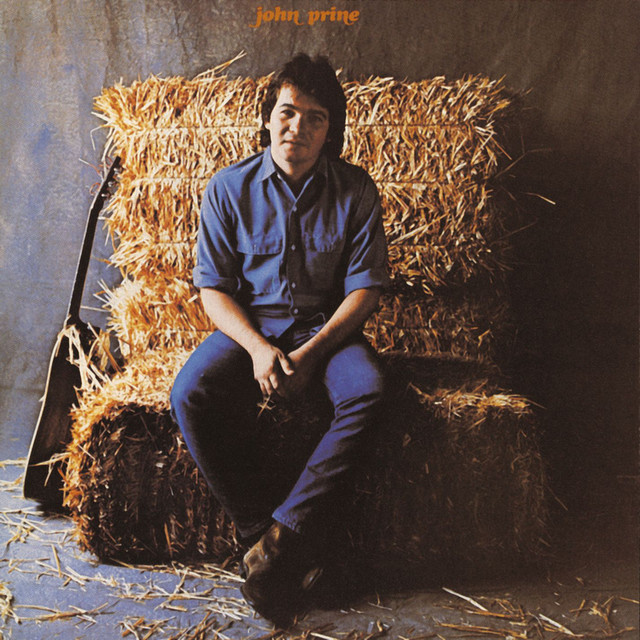
1971
John Prine
John Prine
1975
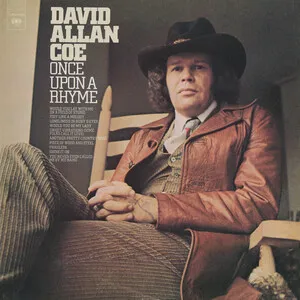
Once Upon a Rhyme
David Allan Coe
Download our mobile app
Get the Melodigging app and start digging for new genres on the go
Download on the App Store
Get it on Google Play
© 2026 Melodigging
Give feedback
Legal
Melodding was created as a tribute to
Every Noise at Once
, which inspired us to help curious minds keep digging into music's ever-evolving genres.