Genres
Make Music
Artists
Albums
Challenges
Sign in
Sign in
Albums
By Zurgó
Albums
By Zurgó
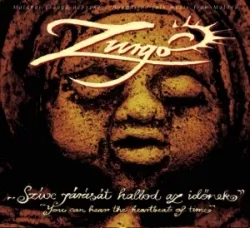
Szíve járását hallod az időnek
January 1, 2004
Listen
2
/5
Genres
Hungarian Folk Music
Hungarian folk music is the traditional music of the Carpathian Basin’s Hungarian-speaking communities, performed for dancing, storytelling, ritual, and everyday social life. It is characterized by a fiddle-led band (prímás) supported by a three‑string viola (kontra) playing drone-triad shuffles, a double bass (bőgő) marking off‑beats, and often a cimbalom (hammered dulcimer). Melodies frequently use old-style pentatonic and heptatonic modes (notably Dorian and Mixolydian), with rich ornamentation, parlando‑rubato declamation in ballads, and strict tempo giusto in dance tunes. Core dance types include the csárdás (typically a slow lassú followed by a fast friss), verbunk (recruitment dance with dotted rhythms), ugrós, and regional suites from Transylvania (Mezőség, Kalotaszeg, Szék), Gyimes, and Moldva. Singing is usually strophic, with narrow-to-moderate ambitus, heterophonic variation between voice and fiddle, and text topics ranging from love and work to historical and humorous narratives. The 20th‑century collection work of Bartók and Kodály, and the late‑20th‑century táncház (dance‑house) revival, helped sustain a living, village-rooted performance practice in urban settings.
Discover
Listen
Csango Folk Music
Csángó folk music is the traditional music of the Csángó (Csángó-magyar) people, a Hungarian-speaking Catholic minority living mainly in Moldavia (eastern Romania) and in some Eastern Carpathian valleys. It preserves unusually archaic melodic types, ballads, and devotional songs alongside vigorous dance tunes used for village festivities. The style features modal melodies (often pentatonic, Dorian, and Aeolian), narrow ambitus tunes with formulaic ornaments, and strong rhythmic drive suited to circle and couple dances. Typical instruments include fiddle (prím), koboz (a lute used for rhythmic-drone strumming), flutes (furulya, kaval), and frame/drums; unaccompanied or heterophonic group singing is common in ballads and religious repertoires. Dance sets such as the “sirülő,” “hétlépés,” and “kettős” are emblematic, performed at brisk tempos with punchy bowing and percussive koboz strums.
Discover
Listen
Similar albums
1998
Bartók Album
Muzsikás
2012
Phari Mamo
Ando Drom
1997
Lajkó Félix és zenekara
Félix Lajkó
2001
Ludo Luda ~ Fools Fancy
Csókolom
1996
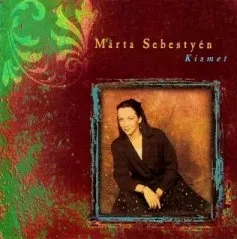
Kismet
Márta Sebestyén
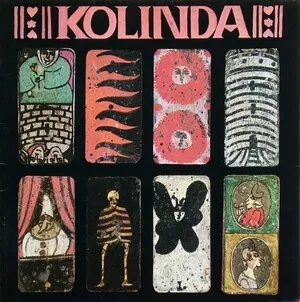
1976
Kolinda
Kolinda
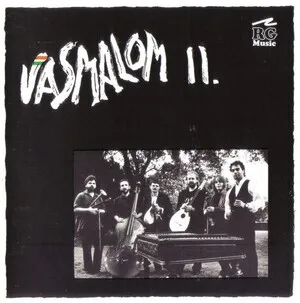
1992
Vasmalom II
Vasmalom
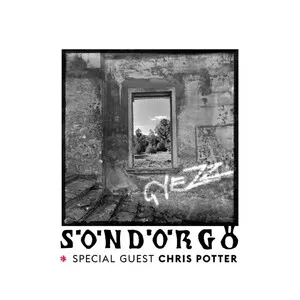
2024
Gyezz
Söndörgő & Chris Potter
2001
“Bétöltse szívedet...”
Méta
1983
Transylvanian Wedding Music
Download our mobile app
Get the Melodigging app and start digging for new genres on the go
Download on the App Store
Get it on Google Play
© 2026 Melodigging
Give feedback
Legal
Melodding was created as a tribute to
Every Noise at Once
, which inspired us to help curious minds keep digging into music's ever-evolving genres.