Genres
Make Music
Artists
Albums
Challenges
Sign in
Sign in
Albums
By Ibrahim Keivo
Albums
By Ibrahim Keivo
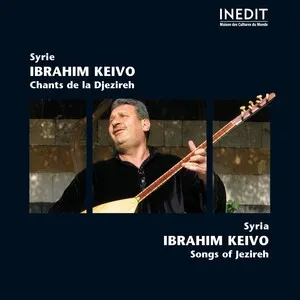
Syrie: Chants de la Djezireh / Syria: Songs of Jezireh
March 20, 2010
Listen
1
/5
Genres
Assyrian Folk Music
Assyrian folk music is the traditional music of the Assyrian (Syriac) people of northern Mesopotamia, today spanning northern Iraq, southeastern Turkey, northeastern Syria, and northwestern Iran. While its roots stretch back to ancient Mesopotamian and Syriac traditions, the style known today coalesced in the 20th century through urban ensembles, village dance repertoires, and later diaspora recordings. Melodically it draws on maqam-derived modes such as Hijaz, Bayat, Kurd, and Ajam, often featuring microtonal inflections and ornamented vocal lines. Rhythmically it is closely tied to line and circle dances—most famously khigga (often in steady 4/4) and sheikhani (typically in 6/8)—as well as other wedding and festive forms. Core instruments include zurna and dawola (davul) for outdoor dance, and oud, qanun, violin, saz/tanbur, and frame or goblet drums (riq, darbuka) for indoor and stage settings; in the diaspora, keyboards and drum machines frequently support the dance grooves. Thematically, songs move between exuberant wedding pieces and nostalgic, often bittersweet lyrics about homeland, love, exile, faith, and communal memory. Modern performers balance authenticity and accessibility by combining traditional modes and dance rhythms with contemporary arrangements.
Discover
Listen
Kurdish Music
Kurdish music is the traditional and contemporary music of the Kurdish people, spanning the mountainous regions of present‑day Iraq, Turkey, Iran, and Syria. It centers on modal melodies, rich vocal ornamentation, and poetic storytelling, and it ranges from unaccompanied epic singing (dengbêj) to driving dance music for circle dances (govend/halay). Its melodic language is closely tied to Near Eastern modal systems (maqam/dastgāh), with characteristic use of the Kurd/Bayât‑e Kurd mode (akin to a minor scale with a lowered second) and related hijaz/bayat families. Common meters include 2/4 and 6/8 for dances, alongside asymmetrical meters such as 7/8 and 9/8. Typical instruments include the tembûr/tanbur and saz (bağlama), frame drums (daf) and double-headed drums (dohol), reed and double‑reed winds (ney, zurna, balaban/duduk), as well as kamancheh and violin; modern ensembles may add keyboards and electric bağlama. Lyrically, Kurdish songs are often performed in Kurmanji, Sorani, and Zazakî, exploring themes of love, nature, heroism, exile, and resistance. The sound can be at once melancholic and epic, yet also celebratory and communal in its dance repertoires.
Discover
Listen
Similar albums
2006
Sebra Min
Rojda
2015
Na-Mükemmel (Imperfect)
Ahmet Aslan
2012
Hewler
Hozan Serhad
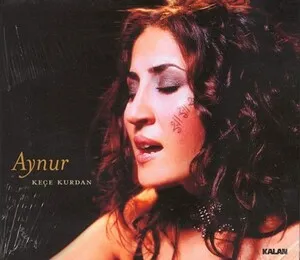
2002
Keçe kurdan
Aynur
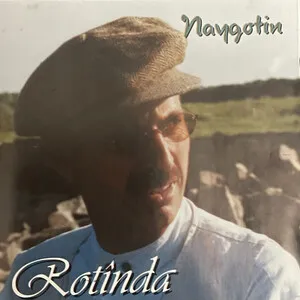
2018
Naygotin
Rotînda
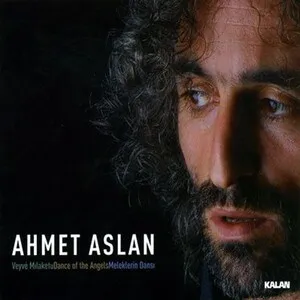
2007
Veyvé Mılaketu (Dance of the Angels - Meleklerin Dansı)
Ahmet Aslan
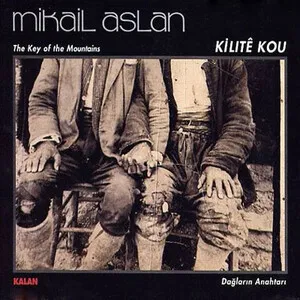
2003
Kilitê Kou
Mikail Aslan
2016
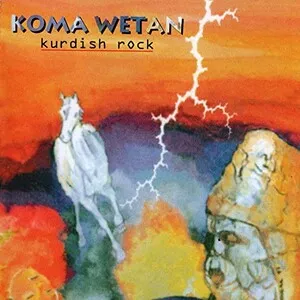
Kurdish Rock
Koma Wetan
2002
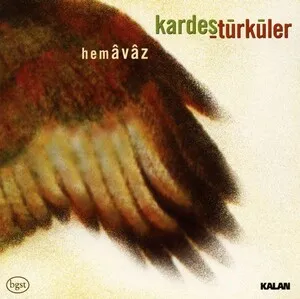
Hemâvâz
Kardeş Türküler
2005
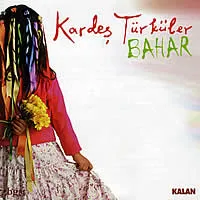
Bahar
Kardeş Türküler
Download our mobile app
Get the Melodigging app and start digging for new genres on the go
Download on the App Store
Get it on Google Play
© 2026 Melodigging
Give feedback
Legal
Melodding was created as a tribute to
Every Noise at Once
, which inspired us to help curious minds keep digging into music's ever-evolving genres.