Genres
Make Music
Artists
Albums
Challenges
Sign in
Sign in
Albums
By Glenn Branca
Albums
By Glenn Branca
Symphony No. 1 (Tonal Plexus)
1981
Listen
2
/5
Genres
Totalism
Totalism is a postminimalist current in American contemporary composition that emerged in New York City at the turn of the 1990s. It pairs minimalism’s driving repetition and clear harmonies with the simultaneous layering of contrasting tempos, meters, and rhythmic cycles. Where classic minimalism often favors a single steady pulse, totalism embraces multiple, coexisting pulses—often in rational tempo ratios (such as 3:2, 4:3, 5:4)—to create grooves that are both propulsive and metrically intricate. Its sound world frequently mixes amplified chamber ensembles with rock instrumentation (drum set, electric guitar and bass) and draws rhythmic inspiration from rock, funk, and global polyrhythms. Aesthetically, totalism sought a middle path between the austerity of modernist complexity and the smooth surfaces of early minimalism: music that is visceral and loud, yet intellectually and rhythmically detailed.
Discover
Listen
Symphonic Rock
Symphonic rock is a style of rock that integrates orchestral instrumentation, classical forms, and large‑scale arrangements into the core sound of a rock band. Typical timbres include strings, brass, woodwinds, choir, mellotron, Hammond organ, piano, and analog synthesizers supporting guitars, bass, and drums. The genre emphasizes grand, cinematic dynamics, thematic development, and harmonic richness drawn from Western classical music, while retaining the energy and songcraft of rock. It often overlaps with progressive rock, but places a particular focus on lush orchestration, romantic melodicism, and overtly symphonic textures—ranging from studio overdubs and mellotron layers to fully scored collaborations with symphony orchestras.
Discover
Listen
Experimental
Experimental music is an umbrella term for practices that prioritize exploration, process, and discovery over adherence to established genre norms. It embraces new sound sources, nonstandard tuning systems, indeterminacy and chance operations, graphic and open-form scores, extended techniques, and technology-led sound design (tape, electronics, computers, and live processing). Rather than a single style, it is a methodology and ethos: testing hypotheses about sound, structure, and performance, often blurring boundaries between composition, improvisation, sound art, and performance art. Listeners can expect unfamiliar timbres, unusual forms, and an emphasis on how music is made as much as the resulting sound.
Discover
Listen
Rock
Rock is a broad family of popular music centered on amplified instruments, a strong backbeat, and song forms that foreground riffs, choruses, and anthemic hooks. Emerging from mid‑20th‑century American styles like rhythm & blues, country, and gospel-inflected rock and roll, rock quickly expanded in scope—absorbing folk, blues, and psychedelic ideas—while shaping global youth culture. Core sonic markers include electric guitar (often overdriven), electric bass, drum kit emphasizing beats 2 and 4, and emotive lead vocals. Rock songs commonly use verse–chorus structures, blues-derived harmony, and memorable melodic motifs, ranging from intimate ballads to high‑energy, stadium‑sized performances.
Discover
Listen
Similar albums
2019
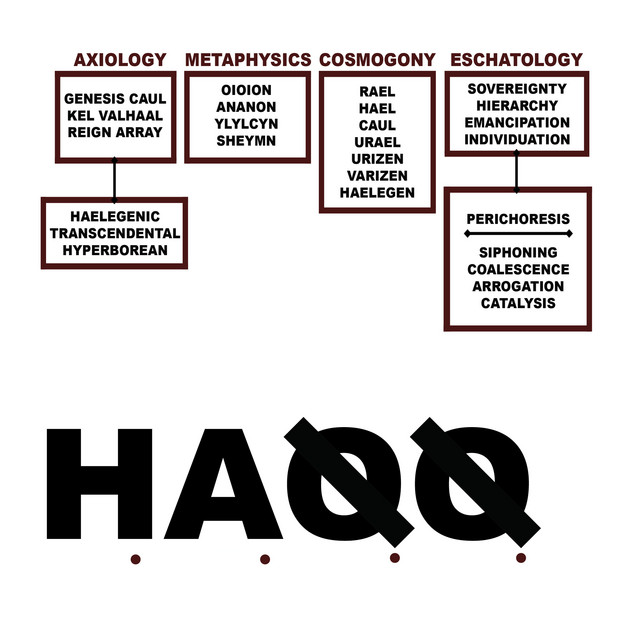
H.A.Q.Q.
Liturgy
2019
Odds Against Tomorrow
Bill Orcutt
2016
Interventions
Horse Lords
2014
Hidden Cities
Horse Lords
2016
Interventions
Horse Lords
1979
The Wall
Pink Floyd
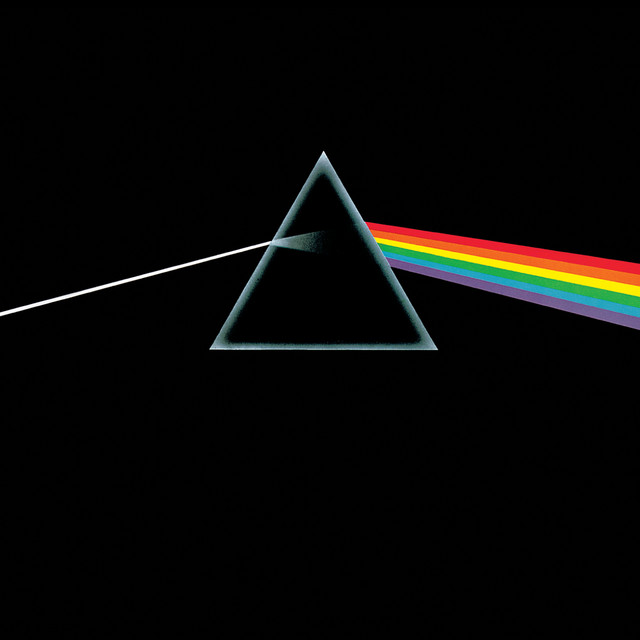
1973
The Dark Side of the Moon
Pink Floyd
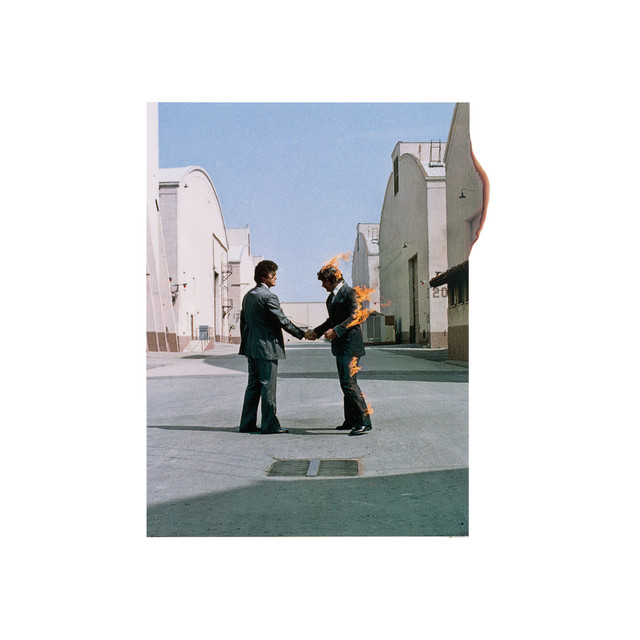
1975
Wish You Were Here
Pink Floyd
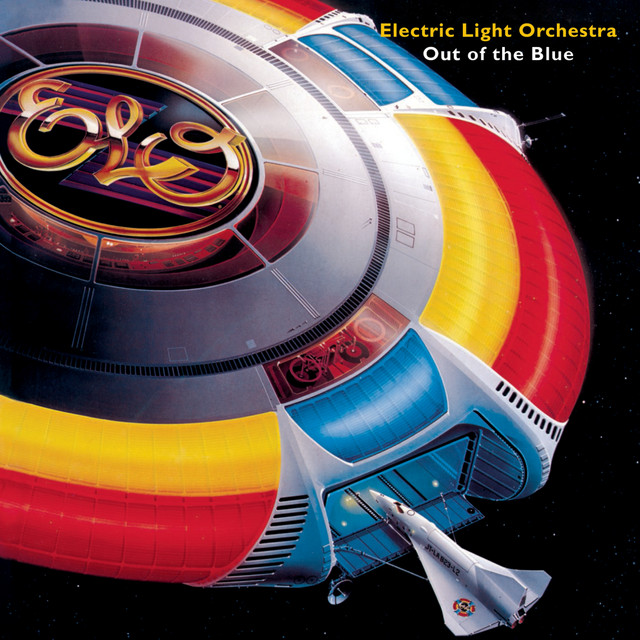
1977
Out of the Blue
Electric Light Orchestra
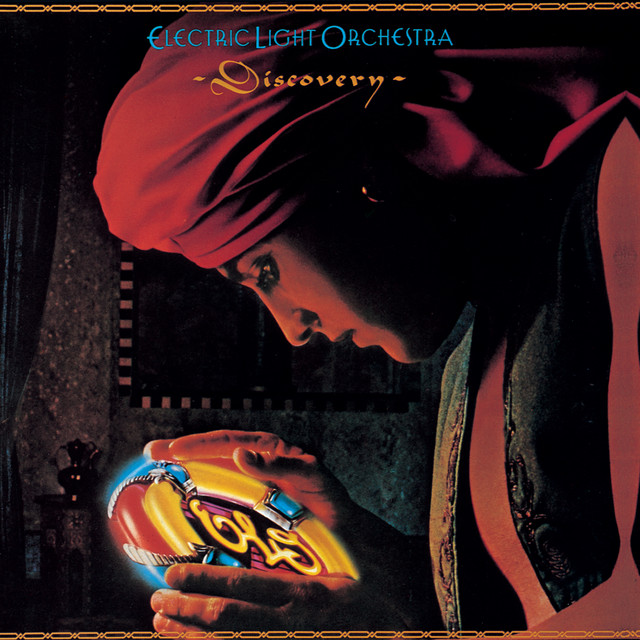
1979
Discovery
Electric Light Orchestra
Download our mobile app
Get the Melodigging app and start digging for new genres on the go
Download on the App Store
Get it on Google Play
© 2026 Melodigging
Give feedback
Legal
Melodding was created as a tribute to
Every Noise at Once
, which inspired us to help curious minds keep digging into music's ever-evolving genres.