Genres
Make Music
Artists
Albums
Challenges
Sign in
Sign in
Albums
By Claude Debussy
Albums
By Claude Debussy
Suite bergamasque; Children's Corner; Estampes; L'isle joyeuse; La fille aux cheveux de lin; La plus que lente; Etude p…
January 1, 1986
Listen
2
/5
Genres
Impressionism
Impressionism in music is a late-19th- and early-20th-century style that prioritizes color, atmosphere, and suggestion over overt drama and functional harmonic progressions. Originating in France, it parallels the visual arts movement in its fascination with light, timbre, and fleeting impressions. Musically, the style favors modal, pentatonic, and whole‑tone materials; parallel (planed) chords; unresolved dissonances; and ambiguous tonal centers. Rhythms are flexible and often blur a sense of strong meter, while textures shimmer through delicate orchestration, pedal tones, and arpeggiated figures. Rather than strict sonata designs, impressionist works tend to be episodic, evocative, and programmatic, conjuring landscapes, water, night, and dreamlike states.
Discover
Listen
Character Piece
A character piece (German: Charakterstück) is a short, single-movement work—most often for solo piano—designed to evoke a specific mood, scene, or persona. Typically lasting one to five minutes, it prioritizes vivid expression and atmosphere over large-scale form. Titles are often descriptive (e.g., Nocturne, Impromptu, Romance, Intermezzo, Barcarolle), guiding the listener’s imagination. Musically, character pieces favor singable melodies, rich but economical harmony, clear textures, and flexible tempo (rubato). Common plans include ternary (ABA) or through-composed designs, with coloristic pedaling and nuanced dynamic shaping to paint the intended character. While the piano repertory dominates, the aesthetic extends to other instruments and small ensembles, and it remains central in pedagogy and concert encores.
Discover
Listen
Classical
Classical music is the notated art-music tradition of Europe and its global descendants, characterized by durable forms, carefully codified harmony and counterpoint, and a literate score-based practice. The term “classical” can refer broadly to the entire Western art-music lineage from the Medieval era to today, not just the Classical period (c. 1750s–1820s). It privileges long-form structures (such as symphonies, sonatas, concertos, masses, and operas), functional or modal harmony, thematic development, and timbral nuance across ensembles ranging from solo instruments to full orchestras and choirs. Across centuries, the style evolved from chant and modal polyphony to tonal harmony, and later to post-tonal idioms, while maintaining a shared emphasis on written notation, performance practice, and craft.
Discover
Listen
Similar albums
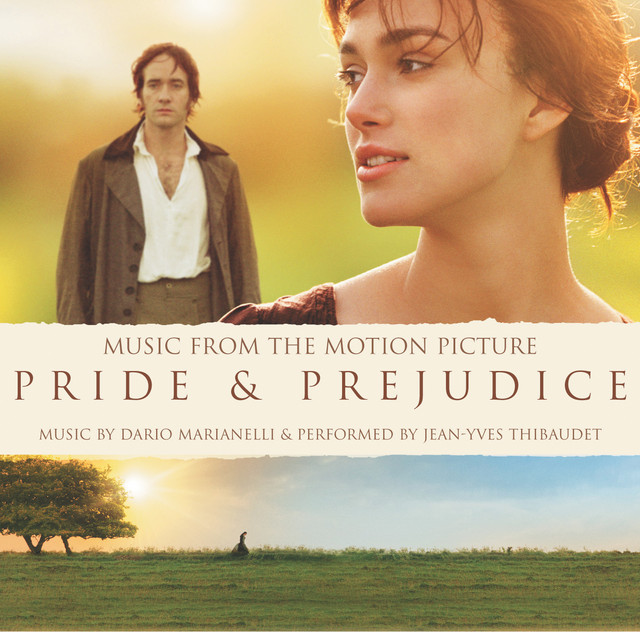
2005
Pride and Prejudice OST
Jean-Yves Thibaudet
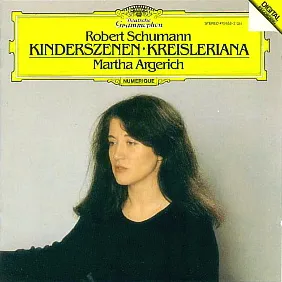
1984
Kinderszenen; Kreisleriana
Robert Schumann / Martha Argerich
2009
Avant-dernières pensées
Erik Satie
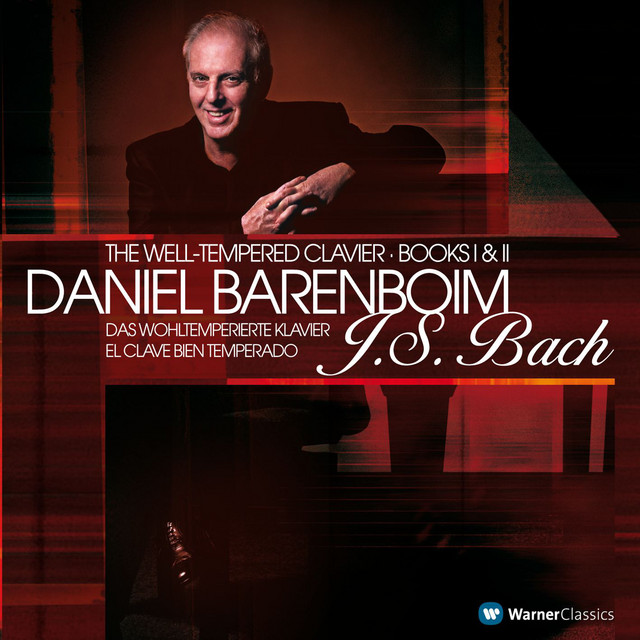
2004
Bach, JS : Well-Tempered Clavier Books 1 & 2
Daniel Barenboim
2020
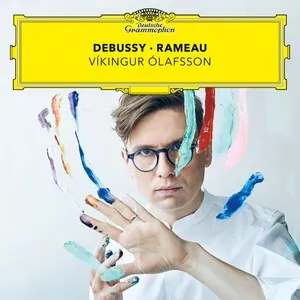
Debussy – Rameau
Claude Debussy / Jean-Philippe Rameau
2006
Ethiopiques, vol. 21: Emahoy (Piano Solo)
Tsegue-Maryam Guebrou
1965
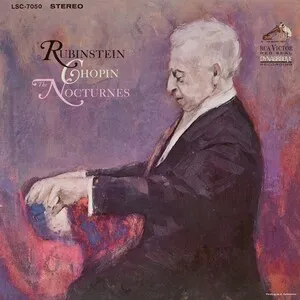
The Nocturnes
Frédéric Chopin / Artur Rubinstein
1984
3 Gymnopédies & Other Piano Works
Erik Satie / Pascal Rogé
2014
The Evil Within: Original Game Soundtrack
Claude Debussy
2007
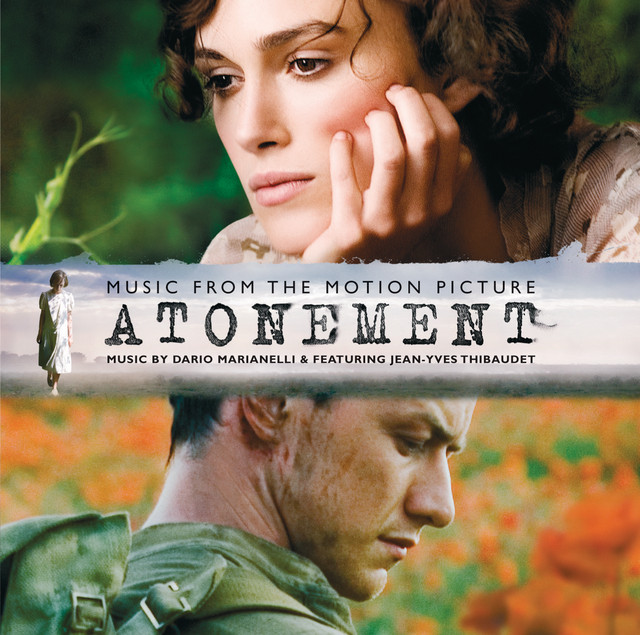
Atonement OST
Jean-Yves Thibaudet
Download our mobile app
Get the Melodigging app and start digging for new genres on the go
Download on the App Store
Get it on Google Play
© 2026 Melodigging
Give feedback
Legal
Melodding was created as a tribute to
Every Noise at Once
, which inspired us to help curious minds keep digging into music's ever-evolving genres.