Genres
Make Music
Artists
Albums
Challenges
Sign in
Sign in
Albums
By Mayra Andrade
Albums
By Mayra Andrade
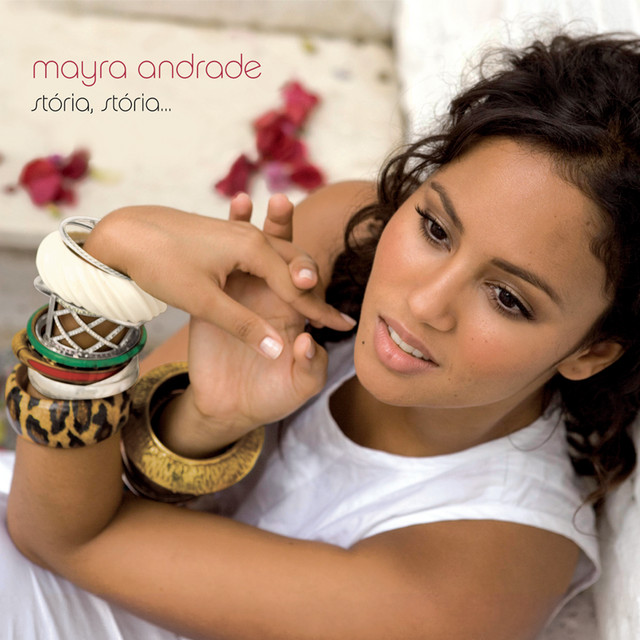
Stória, stória...
June 8, 2009
Listen
3
/5
Genres
Funaná
Funaná is a fast, accordion-driven dance music from the island of Santiago in Cape Verde. It is built around the diatonic accordion (locally called gaita) and the ferrinho, a scraped metal rod that supplies an unrelenting, syncopated rhythm. The style is exuberant, rural in origin, and often features social commentary sung in Cape Verdean Creole. Traditionally, funaná was played at community gatherings and dances, with melodies that move briskly over simple harmonic progressions while the ferrinho and hand percussion lock in a propulsive 2/4 pulse. In its contemporary form, the genre frequently adds electric bass, drum kit, and keyboards, retaining the core energy while expanding its sound for modern stages.
Discover
Listen
Morna
Morna is the emblematic song genre of Cape Verde, often described as the archipelago’s equivalent of the blues. It is typically slow to moderate in tempo, performed with a lyrical, intimate vocal delivery, and rich, poetic texts in Cape Verdean Creole that dwell on sodade (longing), love, migration, the sea, and island life. Musically, morna favors minor keys and bittersweet harmonies, with guitar-led accompaniment that interweaves arpeggios and gentle counter-melodies. Its rhythmic feel can reflect a subtle habanera lilt or a waltz-like sway, yet remains understated and supple, allowing the singer’s phrasing to breathe. Over time, composers expanded its harmony with chromatic “passagens” (passing chords and brief modulations), while keeping the style’s core intimacy intact.
Discover
Listen
Batuque
Batuque (batuku in Cape Verdean Creole) is a traditional music-and-dance genre from Cape Verde, especially associated with the island of Santiago. It is communal, percussion-driven, and built around call-and-response singing led by an improvising soloist (the finaçon) and answered by a chorus of batukadeiras. The core sound comes from tightly interlocking handclaps, thigh-slaps using a rolled cloth (tchabeta), foot stomps, and, in modern settings, added hand drums and shakers. Cyclical grooves in a lilting 6/8 or 12/8 feel, social commentary, praise, playful satire, and storytelling define its aesthetic, while the dance forms a ring where participants take turns in expressive movements.
Discover
Listen
Cape Verdean Music
Cape Verdean music is the umbrella for the archipelago’s rich Creole soundworld, sung largely in Cape Verdean Kriolu and shaped by centuries of Atlantic exchange between West Africa, Portugal, and the Caribbean. It encompasses emblematic genres such as morna (slow, poetic, and deeply nostalgic), coladeira (lighter, witty, and danceable), funaná (fast, accordion‑driven grooves with the metallic ferrinho scraper), and batuque (communal, polyrhythmic call‑and‑response). Its melodies and harmonies blend European tonal songcraft with African rhythmic sensibilities, while instruments range from guitars, cavaquinho, violin, clarinet/saxophone, and accordion to hand percussion and ferrinho. Themes of saudade, migration, the sea, love, and everyday life run through the repertoire, giving Cape Verdean music an immediately recognizable balance of melancholy and uplift.
Discover
Listen
African Folk Music
African folk music is an umbrella term for traditional, community-rooted musical practices across the African continent. It is characterized by cyclical structures, call-and-response singing, polyrhythms, and a strong integration of music with dance, storytelling, and ritual. Typical sound worlds include interlocking drum ensembles, handclaps, and idiophones; modal and pentatonic melodies; and timbral techniques such as ululation, vocal hocketing, and overtone-rich instrumental playing. Core instruments vary by region (e.g., West African kora, ngoni, balafon, and talking drum; Southern African mbira and marimba; East African lyres and fiddles; North African frame drums and lutes), but all are used to create layered textures that support social functions—work songs, praise singing, weddings, funerals, and rites of passage. Because it is transmitted orally, African folk music is fluid and adaptive, preserving deep historical memory while continually reinterpreting styles in response to migration, trade, and religious interchange.
Discover
Listen
Similar albums
2019
Manga
Mayra Andrade
1995
Cesaria
Cesária Évora
2006
Navega
Mayra Andrade
2001
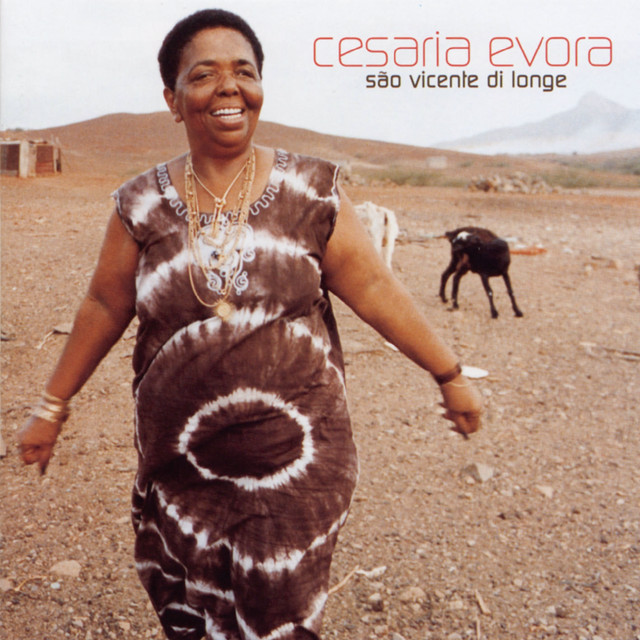
São Vicente di Longe
Cesária Évora
2013
Mãe carinhosa
Cesária Évora
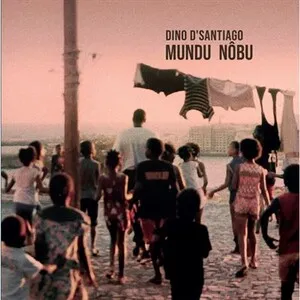
2018
Mundu Nôbu
Dino D'Santiago
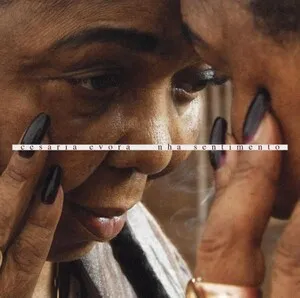
2009
Nha sentimento
Cesária Évora
2016
Bitori Nha Bibinha & Chando Graciosa
Bitori Nha Bibinha & Chando Graciosa
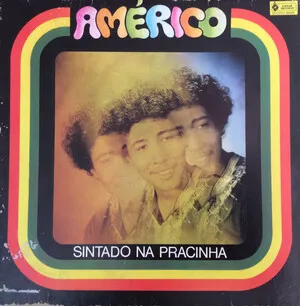
2015
Sintado na pracinha
Américo
2015
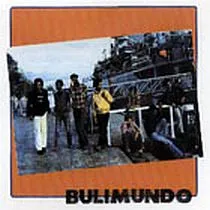
Bulimundo
Bulimundo
Download our mobile app
Get the Melodigging app and start digging for new genres on the go
Download on the App Store
Get it on Google Play
© 2026 Melodigging
Give feedback
Legal
Melodding was created as a tribute to
Every Noise at Once
, which inspired us to help curious minds keep digging into music's ever-evolving genres.