Genres
Make Music
Artists
Albums
Challenges
Sign in
Sign in
Albums
By Kali Mutsa
Albums
By Kali Mutsa
Souvenance
May 20, 2014
Listen
1
/5
Genres
Latin Electronic
Latin electronic is a broad umbrella for electronic music that fuses Latin American and Caribbean rhythms, instrumentation, and timbres with modern production techniques. It blends house and techno beats with cumbia, salsa, and afro-diasporic grooves; layers samplers and synths over hand percussion; and weaves field recordings and folk melodies into club-ready structures. Across the scene, you’ll hear the swing of cumbia’s 3–3–2 feel, the dembow/reggaeton cadence, dub-informed space and bass, and Andean or tropical motifs reimagined through contemporary sound design. While geographically diverse, the style coalesced in the 2000s through DIY labels and collectives in Buenos Aires, Mexico City, Bogotá, and Lima, and later spread globally via digital culture and boutique festivals.
Discover
Listen
Kuduro
Kuduro is a high-energy dance music and street culture that originated in Angola in the late 1980s and early 1990s. Its name comes from Angolan Portuguese, roughly meaning “hard butt,” a playful reference to the explosive, physically demanding dance moves and the hard-hitting, percussive beats that drive the style. Musically, kuduro fuses local Angolan rhythms with electronic dance music, hip hop, ragga/dancehall, and Caribbean influences like soca and zouk. Tracks typically sit around 140–150 BPM, feature pounding, syncopated kick patterns, claps on off-beats, chopped vocal shouts, sirens, and whistle FX. Harmony is sparse or loop-based; the focus is on rhythm, call-and-response MCing (in Portuguese and local languages), and relentless forward motion tailored for dance battles and street parties.
Discover
Listen
Central African Music
Central African music is an umbrella term for the traditional and popular styles that emerged in and around the Congo Basin, including today’s Democratic Republic of the Congo, Republic of the Congo, Central African Republic, Cameroon, Gabon, Equatorial Guinea, and parts of Chad and Angola. It blends deep-rooted forest and Bantu musical practices—polyphonic vocal traditions, call-and-response singing, interlocking rhythms, slit- and frame-drum ensembles, thumb pianos (likembe/sanza), and xylophones—with urban dance-band instrumentation and Latin/Caribbean influences brought by early records from Cuba. In the mid‑20th century these elements crystallized in highly influential guitar-led dance musics (notably Congolese rumba and, later, soukous/ndombolo), alongside Cameroonian scenes such as makossa and bikutsi. Signature traits include buoyant, cyclical grooves; bright, interlocking guitar parts (the sebene); syncopated bass ostinatos; bell and shaker time-lines; and exuberant call-and-response vocals in languages such as Lingala, French, Sango, Duala, and others. The result ranges from tender, romantic rumba ballads to fast, ecstatic dance pieces that dominate social life and regional club culture.
Discover
Listen
Similar albums
2023
Ansiedade
DJ Danifox
2017
Sonhos & pesadelos
DJ Lycox
2023
95 Mindjeres
Nídia
2024
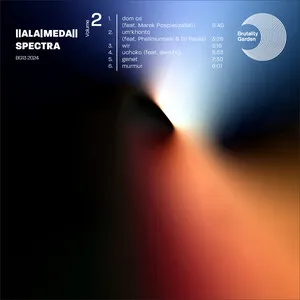
Spectra 02
||ALA|MEDA||
2022
Spectra Volume 1
||ALA|MEDA||
2020
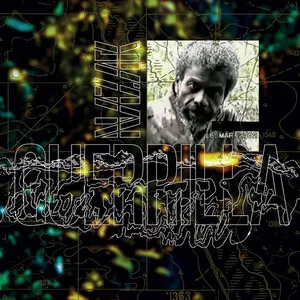
Guerrilla
Nazar
2009
iDon
Don Omar
2015
Amanecer
Bomba Estéreo
2001
La revancha del tango
Gotan Project
2021
KICK ii
Arca
Download our mobile app
Get the Melodigging app and start digging for new genres on the go
Download on the App Store
Get it on Google Play
© 2026 Melodigging
Give feedback
Legal
Melodding was created as a tribute to
Every Noise at Once
, which inspired us to help curious minds keep digging into music's ever-evolving genres.