Genres
Artists
Albums
Make Music
Sign in
Sign in
Albums
By Small Faces
Albums
By Small Faces
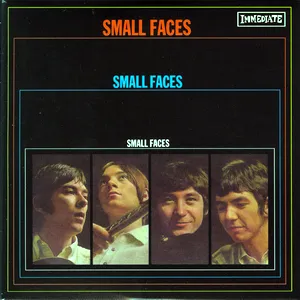
Small Faces
May 6, 1966
Listen
3
/5
Genres
British Rhythm & Blues
British rhythm & blues is the United Kingdom’s early-1960s reinterpretation of American rhythm and blues and electric Chicago blues, performed by beat-era groups with louder amplification, a tougher backbeat, and club-ready energy. The style centers on electric guitar riffs, harmonica leads, driving bass-and-drum grooves, and raw, sometimes shouted vocals. Repertoires leaned heavily on covers of Chess and Vee-Jay artists (Muddy Waters, Howlin’ Wolf, Bo Diddley, Chuck Berry) alongside original songs built from I–IV–V blues frameworks. It is tightly linked to London’s club circuit and the mod scene, where fast tempos, stomping shuffles, and an emphasis on danceable grooves defined the sound. Compared to American R&B and blues, British R&B is generally more aggressive and amplified, foregrounding attack, repetition, and live immediacy. It became a springboard for blues rock, psychedelic rock, hard rock, and eventually the UK pub-rock to punk lineage.
Discover
Listen
Freakbeat
Freakbeat is a hard-edged strain of mid-1960s British beat and R&B that pushes toward proto-psychedelia and early hard rock. It is characterized by aggressive, fuzz-drenched guitars, feedback stabs, rapid-fire drum breaks, and punchy, hook-driven choruses. Typically recorded as high-energy singles for the mod scene, freakbeat songs are concise (often two to three minutes), loud, and rhythm-forward, with blues-based riffs, shouted or urgent vocals, and dramatic dynamic stops and starts. The sound bridges early British R&B/beat groups and the heavier, more experimental rock that followed, embodying a raw, kinetic intensity ideal for dancefloors and club stages.
Discover
Listen
Mod
Mod is a British music style rooted in the early-to-mid 1960s modernist youth culture that prized sharp fashion, nightlife, and danceable American R&B and soul. Musically, it blends tight, hook-forward songwriting with brisk tempos, crisp guitar work, prominent backbeats, and frequent use of Hammond organ and occasional horn stabs. Typical mod records are concise and energetic, drawing on blues and R&B progressions but framed with pop sensibility and vocal harmonies. The sound sits between beat music and early rock, with a soulful edge and a strong emphasis on dancing and style. While the original wave crested in the mid-1960s, the approach later reappeared in the late-1970s mod revival and has continued to inform power pop and Britpop aesthetics.
Discover
Listen
Blue-Eyed Soul
Blue‑eyed soul is a style of soul music performed primarily by white artists who adopt the vocal inflections, rhythmic feel, and arranging language of classic R&B and gospel. Emerging in the 1960s in the United States and the United Kingdom, it bridges Motown polish and Southern soul grit with pop‑oriented songwriting. Typical recordings feature impassioned lead vocals, stacked harmonies, backbeat‑driven rhythm sections, Hammond organ or electric piano, punchy horn lines, and occasionally lush strings. The result is radio‑friendly soul that retains emotional intensity while appealing to mainstream pop audiences. The label “blue‑eyed soul” has been used descriptively and sometimes controversially; it points to a sound rather than identity. Historically, however, it referred to white performers making music in a soul idiom.
Discover
Listen
Pop Rock
Pop rock blends the hook-focused immediacy of pop with the instrumentation and drive of rock. It prioritizes catchy melodies, concise song structures, and polished production while retaining guitars, bass, and drums as core elements. Typical pop rock tracks use verse–pre-chorus–chorus forms, strong vocal harmonies, and memorable riffs. The sound ranges from jangly and bright to mildly overdriven and arena-ready, aiming for radio-friendly appeal without abandoning rock’s rhythmic punch.
Discover
Listen
Rock
Rock is a broad family of popular music centered on amplified instruments, a strong backbeat, and song forms that foreground riffs, choruses, and anthemic hooks. Emerging from mid‑20th‑century American styles like rhythm & blues, country, and gospel-inflected rock and roll, rock quickly expanded in scope—absorbing folk, blues, and psychedelic ideas—while shaping global youth culture. Core sonic markers include electric guitar (often overdriven), electric bass, drum kit emphasizing beats 2 and 4, and emotive lead vocals. Rock songs commonly use verse–chorus structures, blues-derived harmony, and memorable melodic motifs, ranging from intimate ballads to high‑energy, stadium‑sized performances.
Discover
Listen
Similar albums
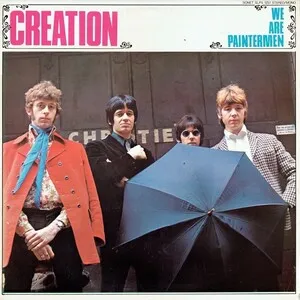
1967
We Are Paintermen
The Creation
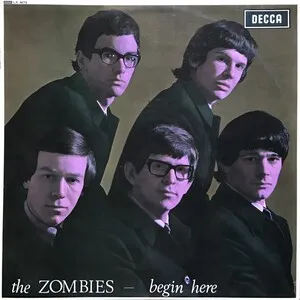
1965
Begin Here
The Zombies
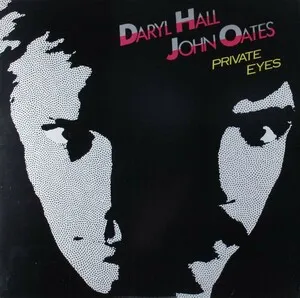
1981
Private Eyes
Daryl Hall & John Oates
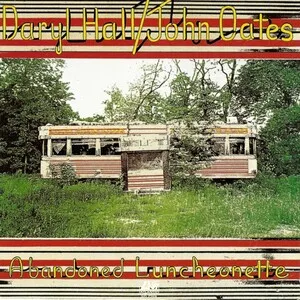
1973
Abandoned Luncheonette
Daryl Hall/John Oates
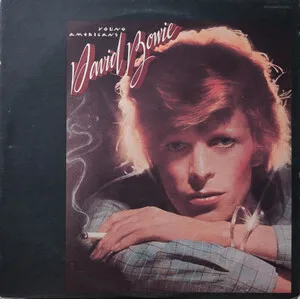
1975
Young Americans
David Bowie
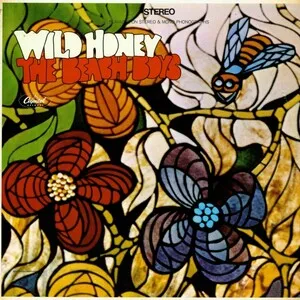
1967
Wild Honey
The Beach Boys
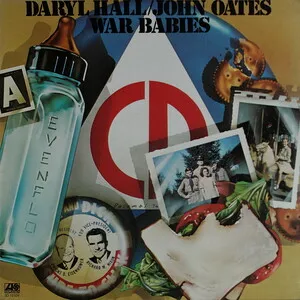
1974
War Babies
Daryl Hall/John Oates
1965
Art Gallery
The Artwoods
1965
Take a Heart
The Sorrows
2000
Parachutes
Coldplay
Download our mobile app
Get the Melodigging app and start digging for new genres on the go
Download on the App Store
Get it on Google Play
© 2026 Melodigging
Give feedback
Legal
Melodding was created as a tribute to
Every Noise at Once
, which inspired us to help curious minds keep digging into music's ever-evolving genres.