East Asian music is an umbrella term for the traditional art, court, ritual, and folk musics of China, Japan, Korea, and neighboring cultures. While locally diverse, these traditions share broad aesthetic features such as pentatonic and heptatonic modal systems, heterophonic textures, flexible rhythm organized in cycles, and a refined focus on timbre, ornamentation, and silence.
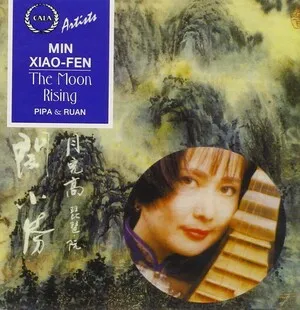
Typical instruments include Chinese zithers (qin/guqin, zheng/guzheng), lutes (pipa, ruan), fiddles (erhu), flutes (dizi, xiao) and mouth organs (sheng); Japanese mouth organ (shō), double-reed (hichiriki), transverse flute (ryuteki), lutes (biwa), and koto; and Korean zither family (gayageum, geomungo), fiddle (haegeum), transverse flute (daegeum), and oboe (piri). Court forms such as gagaku (Japan), yayue (China), and aak (Korea) exemplify ceremonial grandeur, while folk and theatrical genres emphasize narrative singing, dance, and regional languages and dialects.
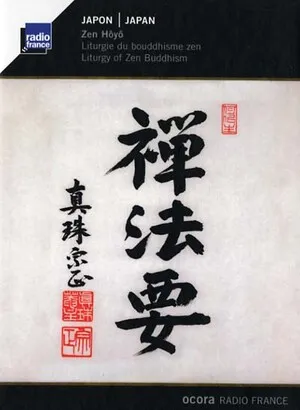
Across these cultures, music is deeply linked with philosophy and ritual—Confucian ideas of moral cultivation, Buddhist liturgy and chant, and indigenous concepts like Japan’s ma (meaningful silence) and jo–ha–kyū (formal pacing) shape both composition and performance.