Genres
Make Music
Artists
Albums
Challenges
Sign in
Sign in
Albums
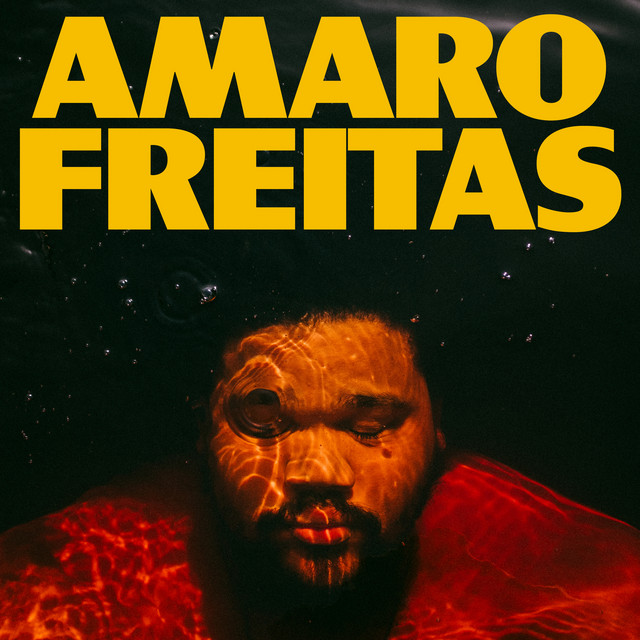
By Amaro Freitas
Albums
By Amaro Freitas
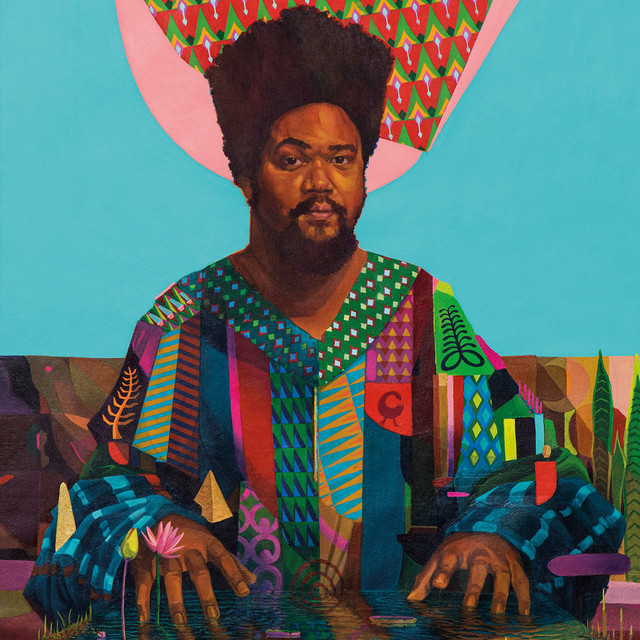
Sankofa
June 25, 2021
Listen
2
/5
Genres
Nova Musica Pernambucana
Nova Música Pernambucana is a contemporary movement from the Brazilian state of Pernambuco (centered in Recife and Olinda) that renews the region’s rich rhythmic traditions through an indie-minded, studio-savvy lens. It folds maracatu, coco, frevo, and ciranda into MPB songwriting, alternative rock textures, horns-and-percussion street-band energy, and modern electronics. The result ranges from carnival-intense, brass-driven grooves to intimate, piano-led ballads—always with a Northeastern rhythmic backbone and a post-manguebeat openness to global sounds.
Discover
Listen
Samba-Jazz
Samba‑jazz is a Brazilian small‑combo style that fuses the propulsive, syncopated rhythms of samba with the harmony, form, and improvisational language of modern jazz (especially hard bop and cool jazz). It is typically more energetic and instrumental than bossa nova, emphasizing virtuosic interaction in piano‑trio and quartet/quintet settings. The drumming concept—pioneered by Edison Machado and others—moves the samba pulse to the ride cymbal and hi‑hat ("samba no prato"), while the bass suggests surdo patterns and the piano/guitar supplies rich jazz voicings. Heads are often concise, followed by swinging, straight‑eighth samba grooves under extended improvisations, and a tight return to the theme.
Discover
Listen
Post-Bop
Post-bop is a modern jazz style that emerged in the early-to-mid 1960s as a synthesis of bebop, hard bop, modal jazz, cool jazz, third stream ideas, and the experimental impulses of the avant‑garde. It typically features acoustic small ensembles (often trumpet, saxophone, piano, bass, and drums) interacting with highly flexible time, non-functional or modal harmony, and motivic development rather than relying strictly on bebop chord cycles. Its sound balances structure and freedom: forms are clearly composed and often intricate, but improvisers stretch time feels, reharmonize on the fly, and use advanced harmonic colors such as quartal voicings, pedal points, and chromatic planing. Canonical touchstones include Miles Davis’s mid‑’60s Second Great Quintet (e.g., E.S.P., Nefertiti), Wayne Shorter’s Speak No Evil, Herbie Hancock’s Maiden Voyage, Andrew Hill’s Point of Departure, and many mid‑’60s Blue Note recordings that pushed beyond hard bop.
Discover
Listen
Spiritual Jazz
Spiritual jazz is a strand of modern jazz that seeks transcendence through sound, blending free improvisation, modal frameworks, and non‑Western musical concepts to evoke the sacred, the cosmic, and the ecstatic. It often features long, open forms; drones and pedal points; polyrhythmic percussion; and timbres associated with ritual or meditation (harp, flutes, bells, tanpura). Melodic language leans toward modes and scales from African, Middle Eastern, and South Asian traditions alongside blues inflection. The mood can shift from contemplative prayer to cathartic release, and vocal elements may include chants, mantras, spoken word, or invocations aligned with spiritual or philosophical themes.
Discover
Listen
Similar albums
1968
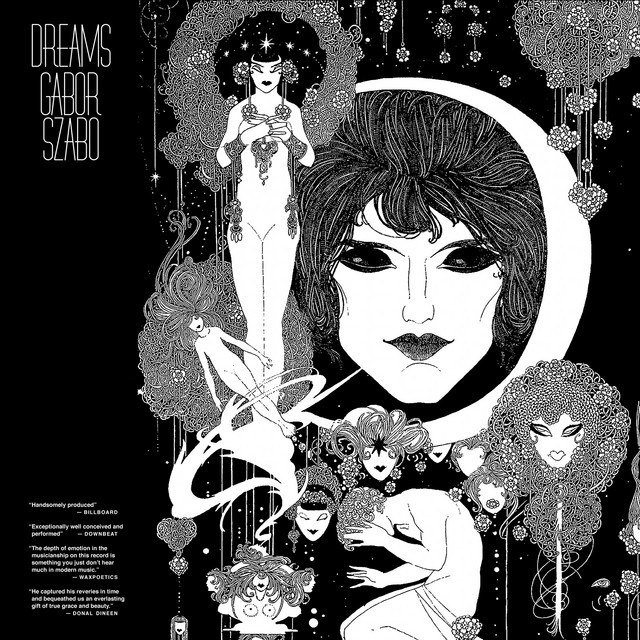
Dreams
Gábor Szabó
2024
Y'Y
Amaro Freitas
2018
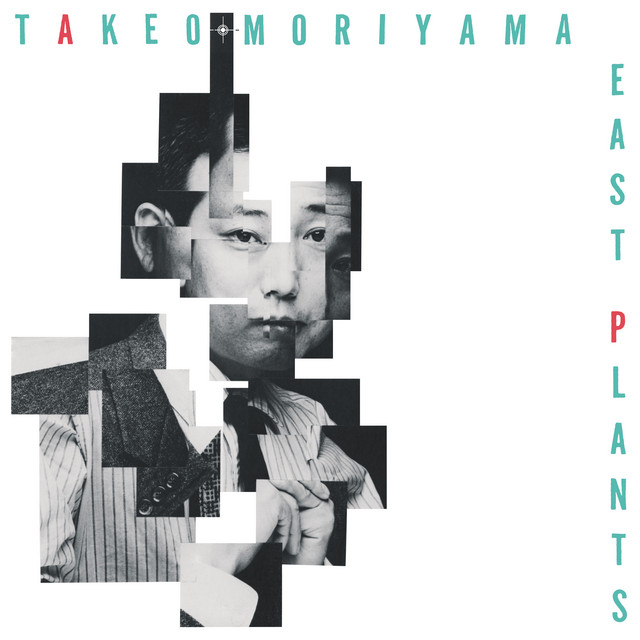
East Plants
Takeo Moriyama
1970
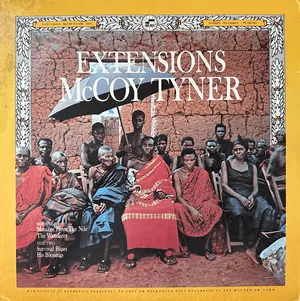
Extensions
McCoy Tyner
1972
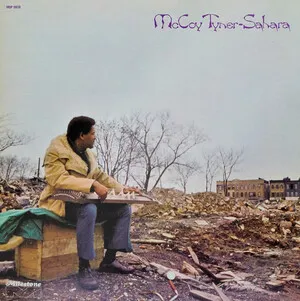
Sahara
McCoy Tyner
1975
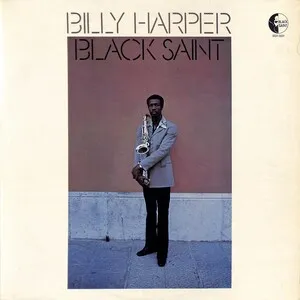
Black Saint
Billy Harper
1977
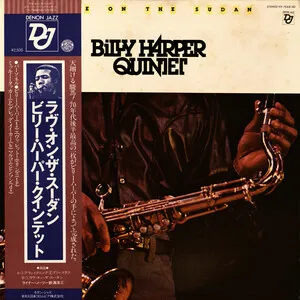
Love on the Sudan ラヴ・オン・ザ・スーダン
Billy Harper Quintet
1979
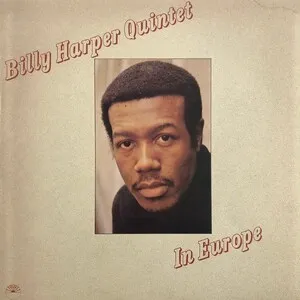
In Europe
Billy Harper Quintet
2023
Melanina
Amaro Freitas
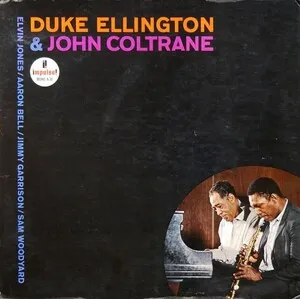
1963
Duke Ellington & John Coltrane
Duke Ellington & John Coltrane
Download our mobile app
Get the Melodigging app and start digging for new genres on the go
Download on the App Store
Get it on Google Play
© 2026 Melodigging
Give feedback
Legal
Melodding was created as a tribute to
Every Noise at Once
, which inspired us to help curious minds keep digging into music's ever-evolving genres.