Genres
Make Music
Artists
Albums
Challenges
Sign in
Sign in
Albums
By Adam Gnade
Albums
By Adam Gnade
Run Hide Retreat Surrender
January 1, 2005
Listen
1
/5
Genres
Americana
Americana is a contemporary umbrella term for U.S. roots music that blends folk, country, blues, bluegrass, gospel, and roots rock into a songwriter-centered, largely acoustic-leaning sound. Hallmarks include story-driven lyrics; warm, organic production; and traditional instrumentation such as acoustic guitar, mandolin, banjo, fiddle, harmonica, pedal steel, upright or electric bass, and restrained drums. Rhythms often draw on the train beat, shuffles, two-step, waltz time, and relaxed backbeats. Harmonically it favors diatonic progressions (I–IV–V, I–vi–IV–V), modal tinges (Mixolydian), and close vocal harmonies. Rather than a rigid style, Americana functions as a bridge among related roots traditions, emphasizing authenticity, regional imagery, and narrative songwriting over genre flashiness.
Discover
Listen
Experimental
Experimental music is an umbrella term for practices that prioritize exploration, process, and discovery over adherence to established genre norms. It embraces new sound sources, nonstandard tuning systems, indeterminacy and chance operations, graphic and open-form scores, extended techniques, and technology-led sound design (tape, electronics, computers, and live processing). Rather than a single style, it is a methodology and ethos: testing hypotheses about sound, structure, and performance, often blurring boundaries between composition, improvisation, sound art, and performance art. Listeners can expect unfamiliar timbres, unusual forms, and an emphasis on how music is made as much as the resulting sound.
Discover
Listen
Folk
Folk is a song-centered acoustic tradition rooted in community storytelling, everyday life, and social history. It emphasizes clear melodies, simple harmonies, and lyrics that foreground narrative, protest, and personal testimony. As a modern recorded genre, folk coalesced in the early-to-mid 20th century in the United States out of older ballad, work song, and rural dance traditions. It typically features acoustic instruments (guitar, banjo, fiddle, mandolin, harmonica), strophic song forms, and participatory singing (choruses, call-and-response).
Discover
Listen
Talking Blues
Talking blues is a narrative song form in which the verses are rhythmically spoken rather than fully sung, typically over a steady, simple acoustic guitar blues accompaniment. The delivery leans on timing, humor, and conversational asides, often punctuated by a short sung refrain or a witty tagged last line. Emerging in the American South in the 1920s, the style was named and codified by South Carolina musician Chris Bouchillon after his 1926 recording "Talking Blues." It later became a favored vehicle for topical commentary and social satire through the folk revival, especially in the hands of Woody Guthrie, Pete Seeger, and Bob Dylan. Its blend of plain‑spoken storytelling, bluesy harmony, and comic timing helped bridge traditional country/folk performance with modern singer‑songwriter and protest traditions.
Discover
Listen
Similar albums
1998
Dust Bowl Ballads: Volume 1
Woody Guthrie
2022
Dragon New Warm Mountain I Believe in You
Big Thief
2017
A Long Way From Your Heart
Turnpike Troubadours
2019
The Music of Red Dead Redemption 2 (Original Soundtrack)
Rhiannon Giddens
2020
Feed the Machine
Poor Mans Poison
2009
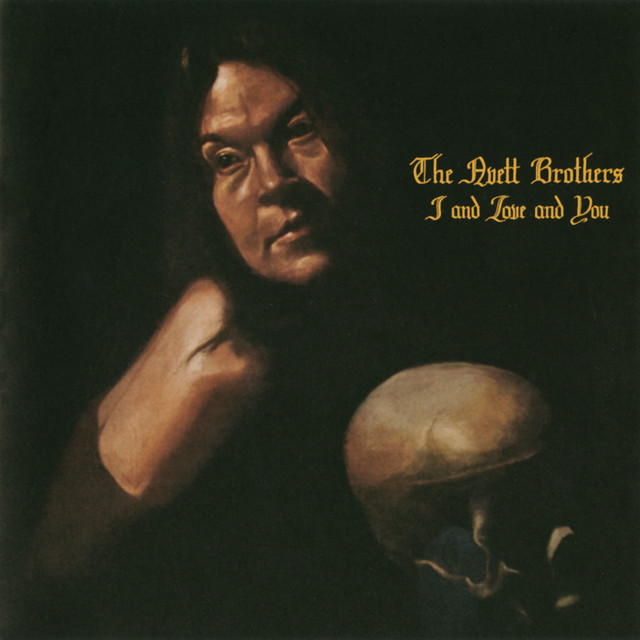
I And Love And You
The Avett Brothers
2019
III
The Lumineers
2021
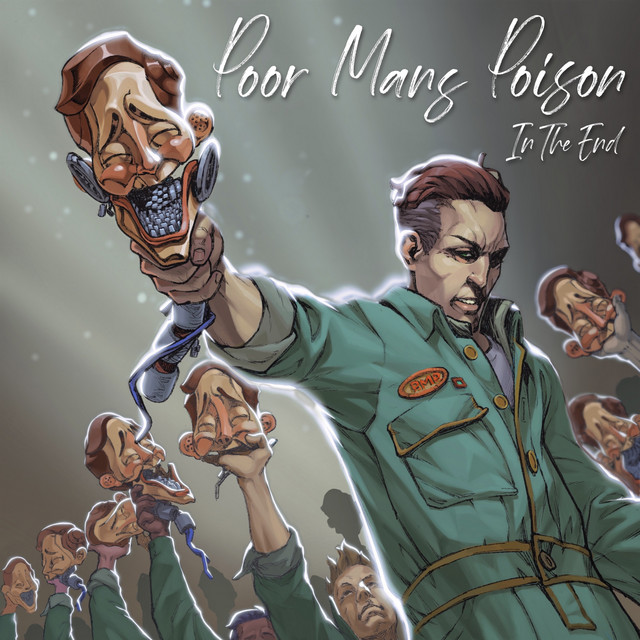
In the End
Poor Mans Poison
2019
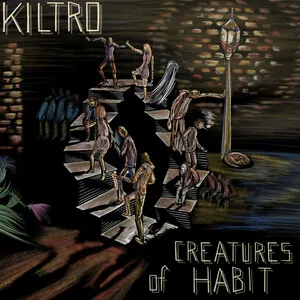
Creatures of Habit
Kiltro
2013
This Side of Jordan
Watchhouse
Download our mobile app
Get the Melodigging app and start digging for new genres on the go
Download on the App Store
Get it on Google Play
© 2026 Melodigging
Give feedback
Legal
Melodding was created as a tribute to
Every Noise at Once
, which inspired us to help curious minds keep digging into music's ever-evolving genres.