Genres
Make Music
Artists
Albums
Challenges
Sign in
Sign in
Albums
By Raulzito E Os Panteras
Albums
By Raulzito E Os Panteras
Raulzito e Os Panteras
1968
Listen
2
/5
Genres
Classic Rock
Classic rock is a radio-defined umbrella for mainstream, guitar-centered rock music from the mid-1960s through the 1980s. It emphasizes blues-based riffs, memorable choruses, sturdy backbeats, and prominent guitar solos, often framed by warm, analog production. Rather than being a single stylistic branch, classic rock curates a canon that spans hard rock, blues rock, folk rock, psychedelic and progressive strains, and heartland- and country-tinged rock. Albums and album-oriented rock (AOR) values—extended tracks, conceptual cohesion, and musicianship—are central to its identity. The sound evokes tube-amp crunch, Hammond organs, stacked vocal harmonies, and anthemic songwriting designed for both FM radio and the concert arena.
Discover
Listen
Jovem Guarda
Jovem Guarda is a Brazilian youth-oriented pop-rock movement that emerged in the mid-1960s, popularized by the TV program of the same name hosted by Roberto Carlos, Erasmo Carlos, and Wanderléa. Musically, it blends early rock and roll, Merseybeat, surf rock, yé-yé, and teen pop sensibilities with Portuguese lyrics and catchy, danceable rhythms. Often called iê‑iê‑iê in Brazil (a play on the Beatles’ “yeah‑yeah‑yeah”), the style is marked by simple, major‑key melodies, jangly and twangy electric guitars, handclaps, driving backbeats, and themes about love, fashion, cars, and youth culture. It helped normalize electric instruments and a pop‑rock aesthetic in Brazilian mainstream media during the 1960s.
Discover
Listen
Rock
Rock is a broad family of popular music centered on amplified instruments, a strong backbeat, and song forms that foreground riffs, choruses, and anthemic hooks. Emerging from mid‑20th‑century American styles like rhythm & blues, country, and gospel-inflected rock and roll, rock quickly expanded in scope—absorbing folk, blues, and psychedelic ideas—while shaping global youth culture. Core sonic markers include electric guitar (often overdriven), electric bass, drum kit emphasizing beats 2 and 4, and emotive lead vocals. Rock songs commonly use verse–chorus structures, blues-derived harmony, and memorable melodic motifs, ranging from intimate ballads to high‑energy, stadium‑sized performances.
Discover
Listen
Blues
Blues is an African American musical tradition defined by expressive "blue notes," call-and-response phrasing, and a characteristic use of dominant-seventh harmony in cyclical song forms (most famously the 12‑bar blues). It is as much a feeling as a form, conveying sorrow, resilience, humor, and hard-won joy. Musically, blues commonly employs the I–IV–V progression, swung or shuffled rhythms, and the AAB lyric stanza. Melodies lean on the minor/major third ambiguity and the flattened fifth and seventh degrees. Core instruments include voice, guitar (acoustic or electric), harmonica, piano, bass, and drums, with slide guitar, bends, and vocal melismas as signature techniques. Over time the blues has diversified into regional and stylistic currents—Delta and Piedmont country blues, urban Chicago and Texas blues, West Coast jump and boogie-woogie—while profoundly shaping jazz, rhythm & blues, rock and roll, soul, funk, and much of modern popular music.
Discover
Listen
Similar albums
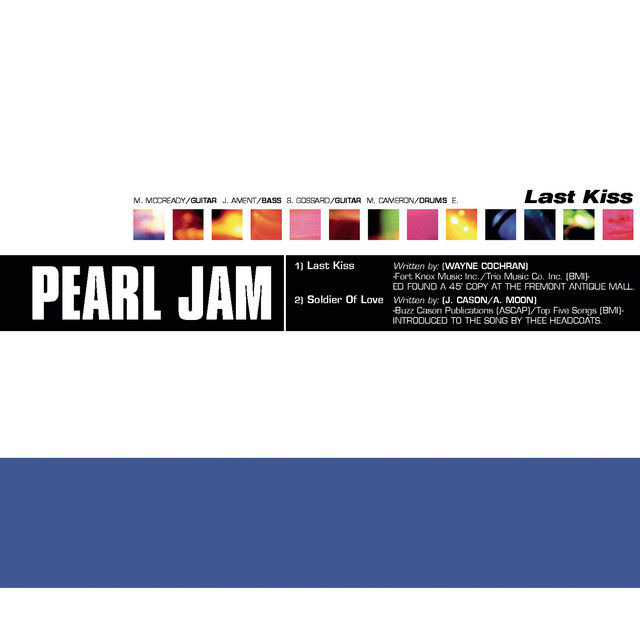
1999
Last Kiss
Pearl Jam
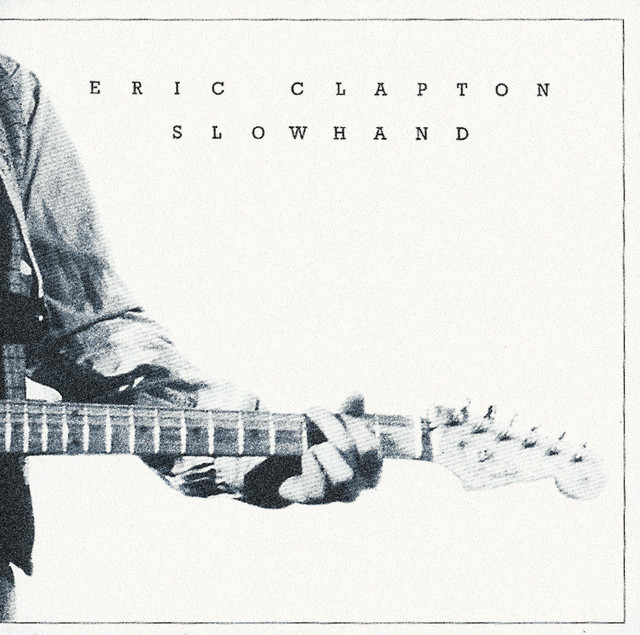
1977
Slowhand 35th Anniversary
Eric Clapton
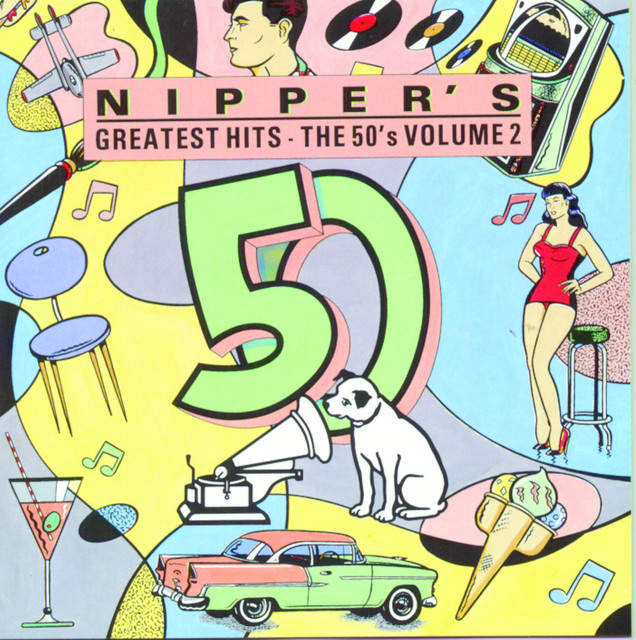
1988
Nippers 50's-Vol.2
Hugo Winterhalter And His Orchestra
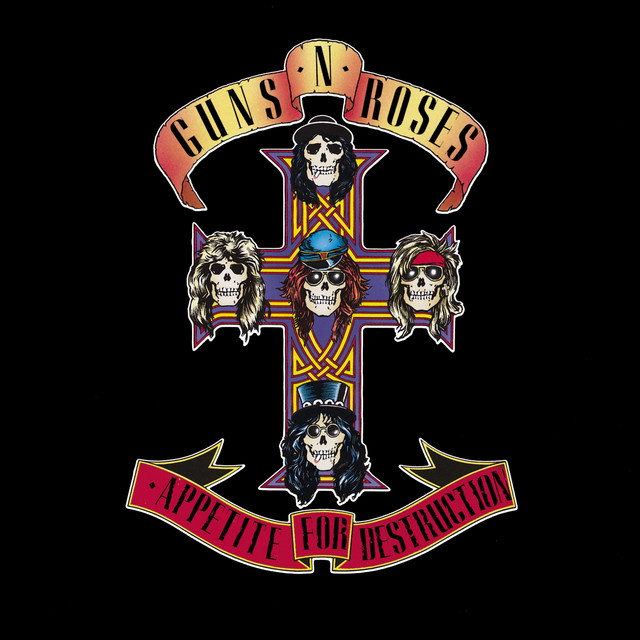
1987
Appetite For Destruction
Guns N' Roses
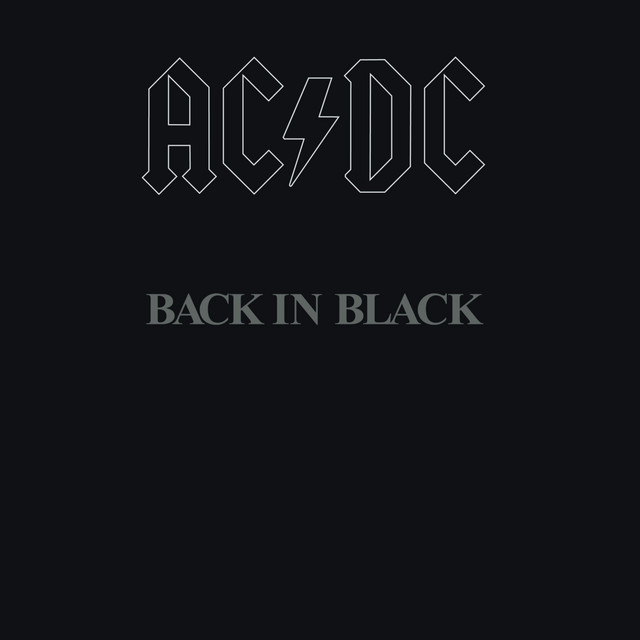
1980
Back In Black
AC/DC
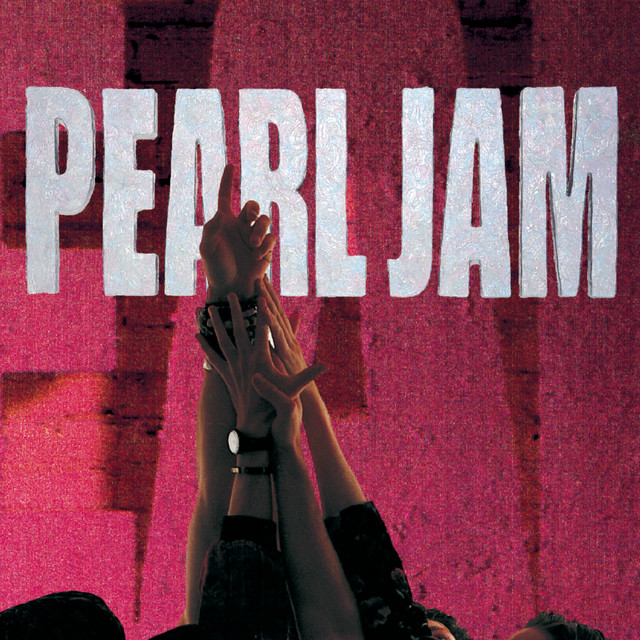
1991
Ten
Pearl Jam
1969
Abbey Road
The Beatles
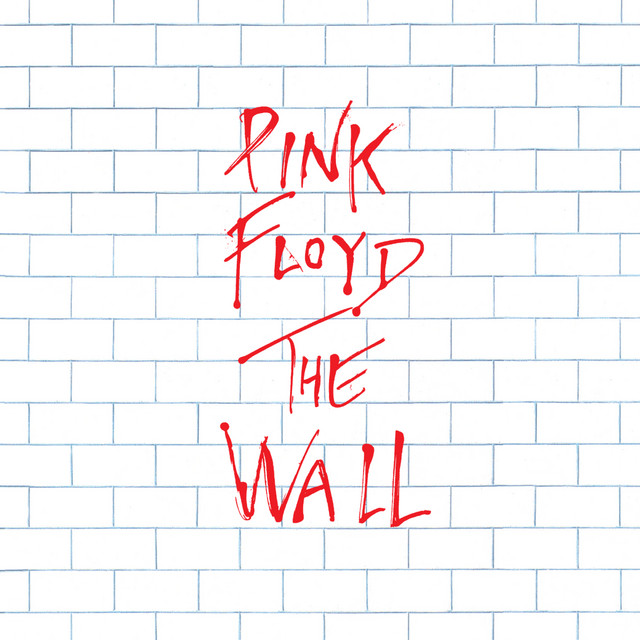
1979
The Wall
Pink Floyd
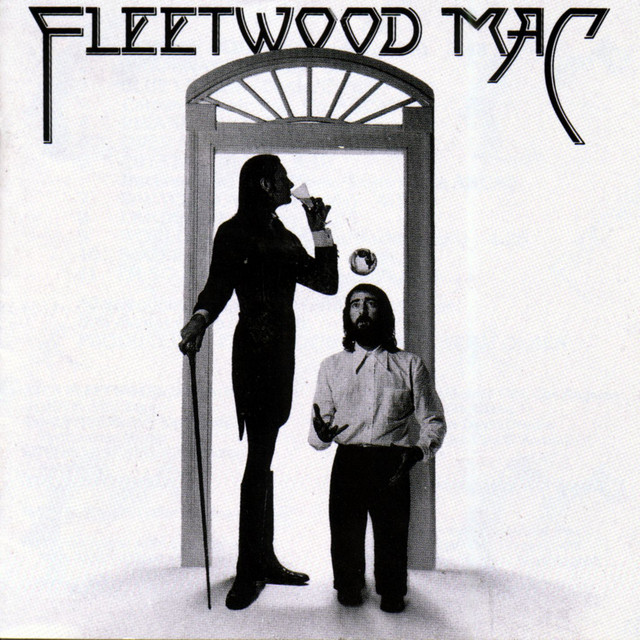
1975
Fleetwood Mac
Fleetwood Mac
1973
The Dark Side of the Moon
Pink Floyd
Download our mobile app
Get the Melodigging app and start digging for new genres on the go
Download on the App Store
Get it on Google Play
© 2026 Melodigging
Give feedback
Legal
Melodding was created as a tribute to
Every Noise at Once
, which inspired us to help curious minds keep digging into music's ever-evolving genres.