Genres
Make Music
Artists
Albums
Challenges
Sign in
Sign in
Albums
Albums
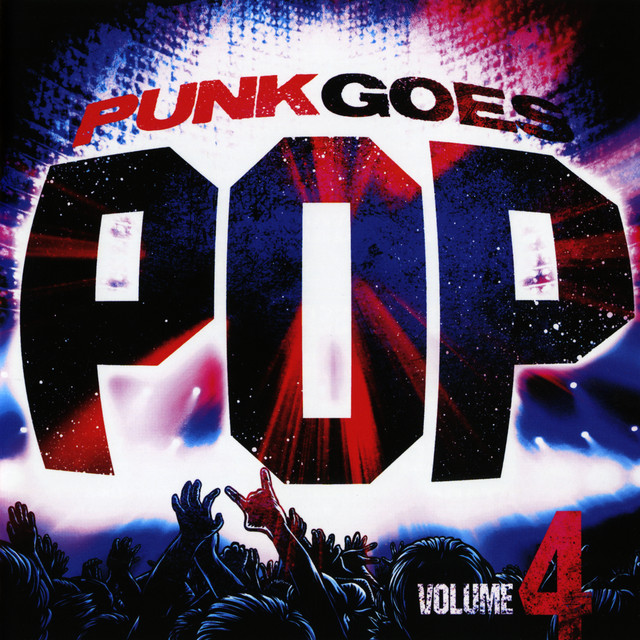
Punk Goes Pop 4
November 21, 2011
Listen
4
/5
Genres
Easycore
Easycore is a fusion of pop punk’s catchy melodies with the weight and rhythmic punch of metalcore and hardcore punk. It is often summarized as “pop punk with breakdowns.” Songs typically feature bright, hook-heavy choruses; upbeat, skate-punk tempos; and dynamic shifts into syncopated, half‑time breakdowns with palm‑muted chugs. Vocals are predominantly clean and energetic, sometimes reinforced by gang shouts and the occasional screamed accent. Lyrics lean toward youthful themes—friendship, perseverance, relationships, and cathartic optimism—delivered with an anthemic, crowd-ready feel.
Discover
Listen
Nintendocore
Nintendocore is a fusion of chiptune/video‑game aesthetics with the aggression and structures of hardcore, metalcore, and related heavy styles. It pairs 8‑bit timbres reminiscent of NES and Game Boy sound chips with distorted guitars, screamed or shouted vocals, breakdowns, and high‑energy drumming. Typical sonic markers include square‑wave leads, triangle‑wave bass lines, noise‑channel snares and hi‑hats, rapid arpeggios, and modal melodies that evoke classic game soundtracks. These are integrated into punk/metal frameworks featuring blast beats, mathy syncopations, and dynamic stop‑starts. While some bands directly quote game themes, many write original material that channels the same nostalgic, pixelated character. Culturally, the genre emerged from early‑2000s internet communities and DIY scenes (forums, MySpace, netlabels) where hardware hacking, tracker composition, and hardcore touring circuits overlapped.
Discover
Listen
Trancecore
Trancecore is a branch of hardcore techno that fuses the relentless drive of 4/4 hardcore kicks with soaring, euphoric motifs and sound design borrowed from trance. Built around high BPMs, supersaw leads, emotional chord progressions and dramatic breakdowns, it balances toughness and uplift: pounding low‑end and clipped, distorted kicks supporting expansive pads, arpeggios and melodic hooks. The result is a style that feels both aggressive and ecstatic, engineered equally for dancefloor impact and cathartic release.
Discover
Listen
Emocore
Emocore (short for emotional hardcore) is a style of hardcore punk distinguished by intensely personal, confessional lyrics, dynamic song structures, and a heightened emphasis on melody and expressivity. It grew from the Washington, D.C. punk scene as musicians sought more nuanced ways to channel catharsis beyond the blunt-force speed and aggression of early hardcore. Musically, emocore retains hardcore’s driving rhythms and shouted/sung vocals, but it favors dramatic shifts in tempo and volume, ringing octave chords, crawling clean passages that explode into overdrive, and bass/drum interplay that supports sudden mood changes. Lyrically, it pivots from overt political manifestos toward vulnerability, interiority, relationships, and self-interrogation—without abandoning punk’s DIY ethic and intensity.
Discover
Listen
Pop
Pop is a broad, hook-driven style of popular music designed for wide appeal. It emphasizes memorable melodies, concise song structures, polished vocals, and production intended for radio, charts, and mass media. While pop continually absorbs elements from other styles, its core remains singable choruses, accessible harmonies, and rhythmic clarity. Typical forms include verse–pre-chorus–chorus, frequent use of bridges and middle-eights, and ear-catching intros and outros. Pop is not defined by a single instrumentation. It flexibly incorporates acoustic and electric instruments, drum machines, synthesizers, and increasingly digital production techniques, always in service of the song and the hook.
Discover
Listen
Rock
Rock is a broad family of popular music centered on amplified instruments, a strong backbeat, and song forms that foreground riffs, choruses, and anthemic hooks. Emerging from mid‑20th‑century American styles like rhythm & blues, country, and gospel-inflected rock and roll, rock quickly expanded in scope—absorbing folk, blues, and psychedelic ideas—while shaping global youth culture. Core sonic markers include electric guitar (often overdriven), electric bass, drum kit emphasizing beats 2 and 4, and emotive lead vocals. Rock songs commonly use verse–chorus structures, blues-derived harmony, and memorable melodic motifs, ranging from intimate ballads to high‑energy, stadium‑sized performances.
Discover
Listen
Electronic
Electronic is a broad umbrella genre defined by the primary use of electronically generated or electronically processed sound. It encompasses music made with synthesizers, drum machines, samplers, computers, and studio/tape techniques, as well as electroacoustic manipulation of recorded or synthetic sources. The genre ranges from academic and experimental traditions to popular and dance-oriented forms. While its sonic palette is rooted in electricity and circuitry, its aesthetics span minimal and textural explorations, structured song forms, and beat-driven club permutations. Electronic emphasizes sound design, timbre, and studio-as-instrument practices as much as melody and harmony.
Discover
Listen
Similar albums
2014
Punk Goes Pop, Vol. 6
We Came As Romans
2015
Blurryface
Twenty One Pilots
2018
BALLADS 1
Joji
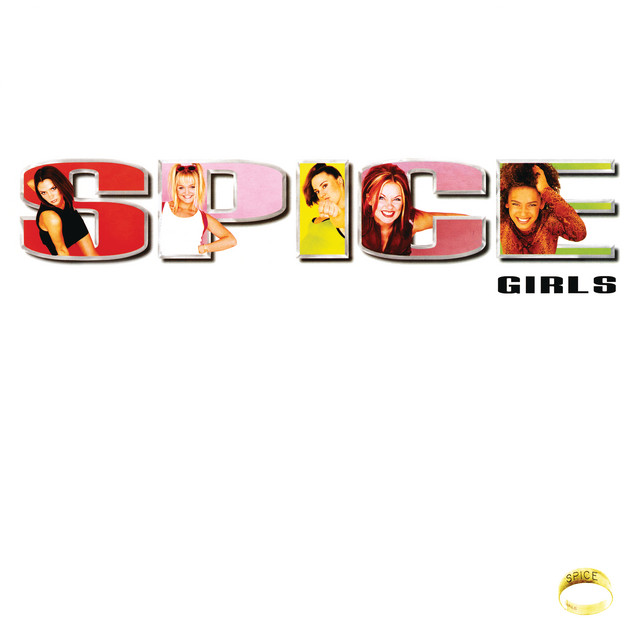
1996
Spice
Spice Girls
2020
Nectar
Joji
2016
Heathens
Twenty One Pilots
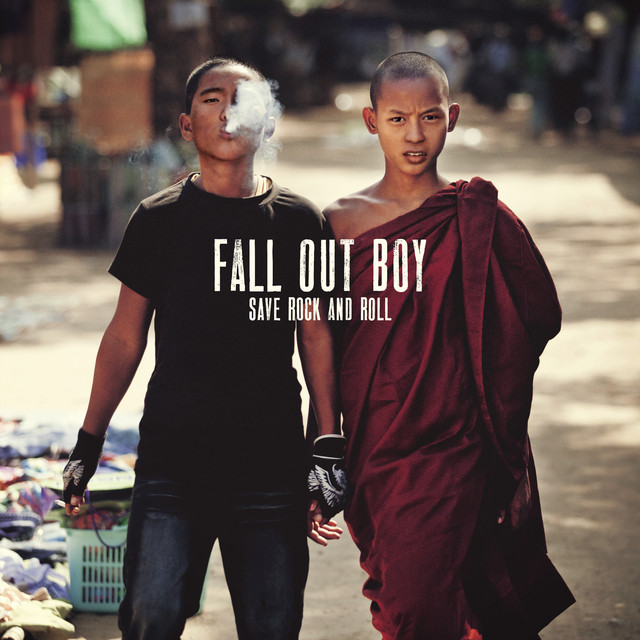
2013
Save Rock And Roll
Fall Out Boy
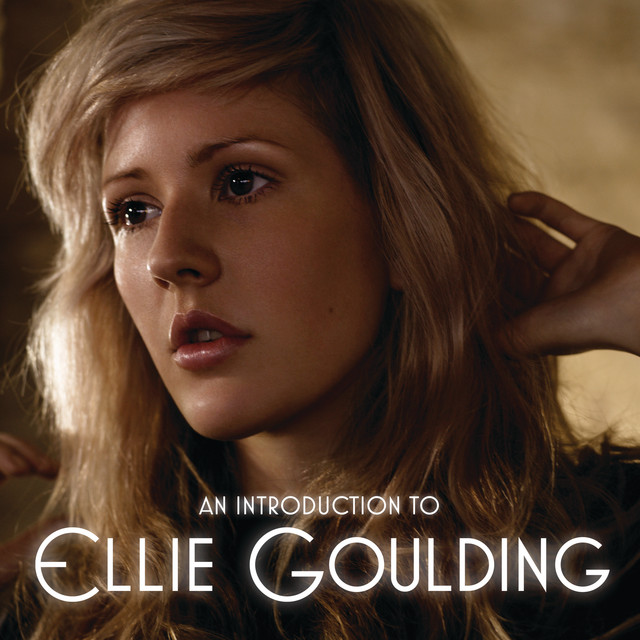
2010
An Introduction To Ellie Goulding EP
Ellie Goulding
2017
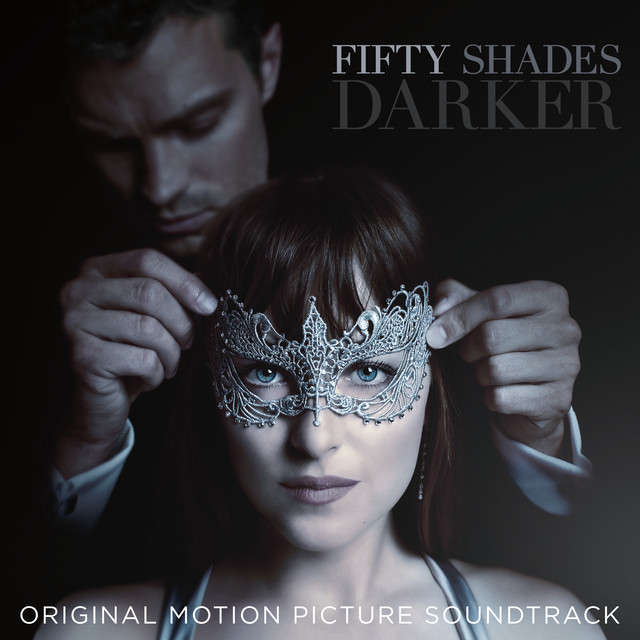
Fifty Shades Darker (Original Motion Picture Soundtrack)
Halsey
2005
Otro día en el planeta Tierra
Intoxicados
Download our mobile app
Get the Melodigging app and start digging for new genres on the go
Download on the App Store
Get it on Google Play
© 2026 Melodigging
Give feedback
Legal
Melodding was created as a tribute to
Every Noise at Once
, which inspired us to help curious minds keep digging into music's ever-evolving genres.