Genres
Make Music
Artists
Albums
Challenges
Sign in
Sign in
Albums
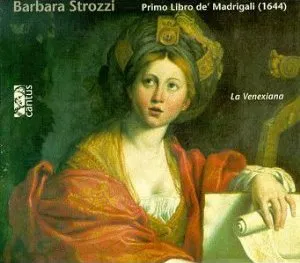
By Barbara Strozzi / La Venexiana
Albums
By Barbara Strozzi / La Venexiana
Primo libro de' madrigali (1644)
December 31, 1997
Listen
2
/5
Genres
Baroque
Baroque is a period and style of Western art music spanning roughly 1600–1750. It is characterized by the birth of functional tonality, the widespread use of basso continuo (figured bass), and a love of contrast—between soloist and ensemble, loud and soft, and different timbres. Hallmark genres and forms of the era include opera, cantata, oratorio, concerto (especially the concerto grosso), dance suite, sonata, and fugue. Textures range from expressive monody to intricate counterpoint, and melodies are richly ornamented with trills, mordents, and appoggiaturas. Baroque music flourished in churches, courts, and theaters across Europe, with regional styles (Italian, French, German, English) shaping distinctive approaches to rhythm, dance, harmony, and ornamentation.
Discover
Listen
Madrigal
The madrigal is a secular vocal music genre that flourished during the Renaissance and into the early Baroque period. It is typically written for three to six voices and is most often performed a cappella in its 16th‑century form. Madrigals are through-composed, meaning the music changes to suit each line of text rather than following a repeating strophic pattern. Composers prioritized vivid text expression and word painting, aligning musical gestures with the imagery and rhetoric of the poetry—frequently drawing on Petrarchan themes of love, desire, nature, and melancholy. Over time, the style evolved from relatively clear textures and diatonic harmonies to highly expressive chromaticism and bold dissonances. Late madrigals introduced instruments doubling or accompanying the voices and helped usher in the seconda pratica, ultimately bridging toward early opera and other Baroque vocal forms.
Discover
Listen
Classical
Classical music is the notated art-music tradition of Europe and its global descendants, characterized by durable forms, carefully codified harmony and counterpoint, and a literate score-based practice. The term “classical” can refer broadly to the entire Western art-music lineage from the Medieval era to today, not just the Classical period (c. 1750s–1820s). It privileges long-form structures (such as symphonies, sonatas, concertos, masses, and operas), functional or modal harmony, thematic development, and timbral nuance across ensembles ranging from solo instruments to full orchestras and choirs. Across centuries, the style evolved from chant and modal polyphony to tonal harmony, and later to post-tonal idioms, while maintaining a shared emphasis on written notation, performance practice, and craft.
Discover
Listen
Similar albums
2000
Quinto libro de' Madrigali
Claudio Monteverdi / Concerto Italiano / Rinaldo Alessandrini
2004
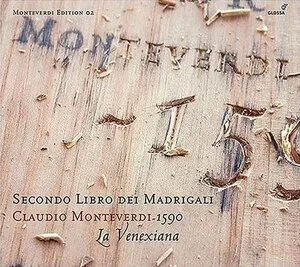
Secondo libro dei madrigali, 1590
Claudio Monteverdi / La Venexiana / Claudio Cavina
1981
The Goldberg Variations
Johann Sebastian Bach / Glenn Gould
2018
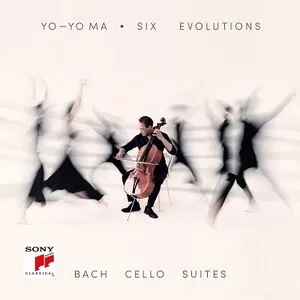
Six Evolutions: Bach Cello Suites
Johann Sebastian Bach / Yo-Yo Ma
2004
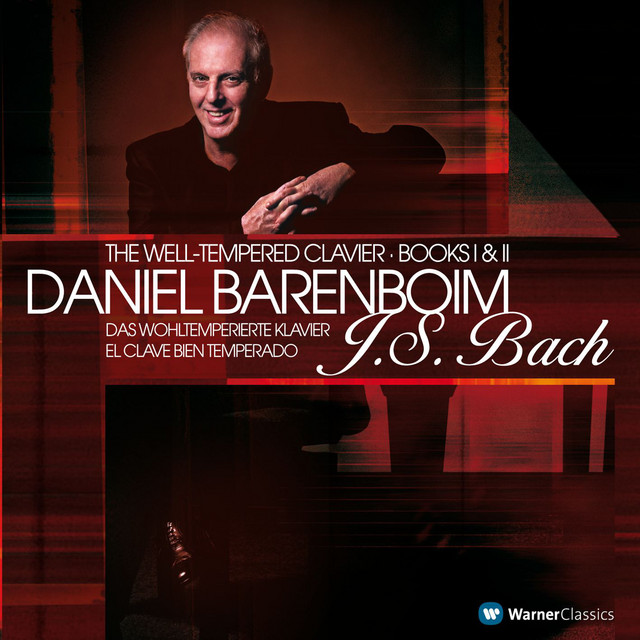
Bach, JS : Well-Tempered Clavier Books 1 & 2
Daniel Barenboim
1976
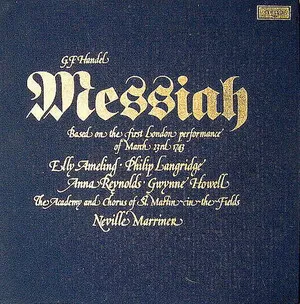
Messiah
Georg Friedrich Händel
2019
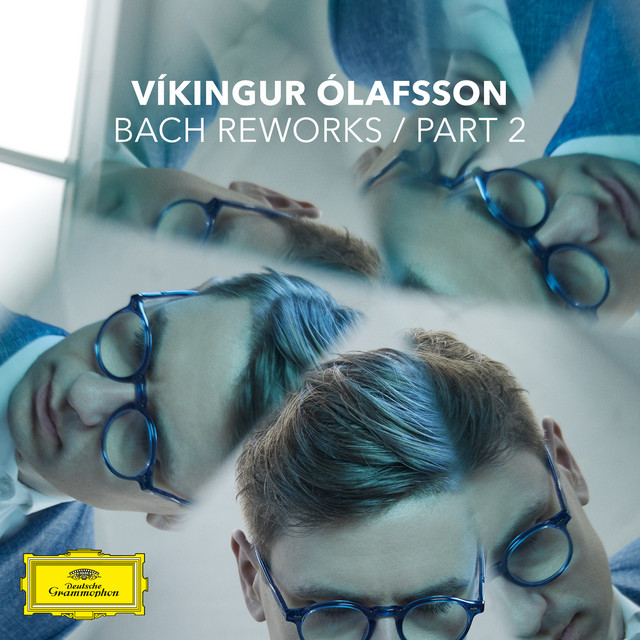
Bach Reworks (Pt. 2)
Víkingur Ólafsson
1989
The Brandenburg Concertos
Johann Sebastian Bach / Orchestra of the Age of Enlightenment
1997
Hilary Hahn Plays Bach
Johann Sebastian Bach / Hilary Hahn
1997
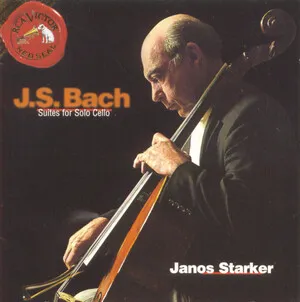
Suites for Solo Cello
Johann Sebastian Bach / János Starker
Download our mobile app
Get the Melodigging app and start digging for new genres on the go
Download on the App Store
Get it on Google Play
© 2026 Melodigging
Give feedback
Legal
Melodding was created as a tribute to
Every Noise at Once
, which inspired us to help curious minds keep digging into music's ever-evolving genres.