Genres
Make Music
Artists
Albums
Challenges
Sign in
Sign in
Albums
By Isham Jones
Albums
By Isham Jones
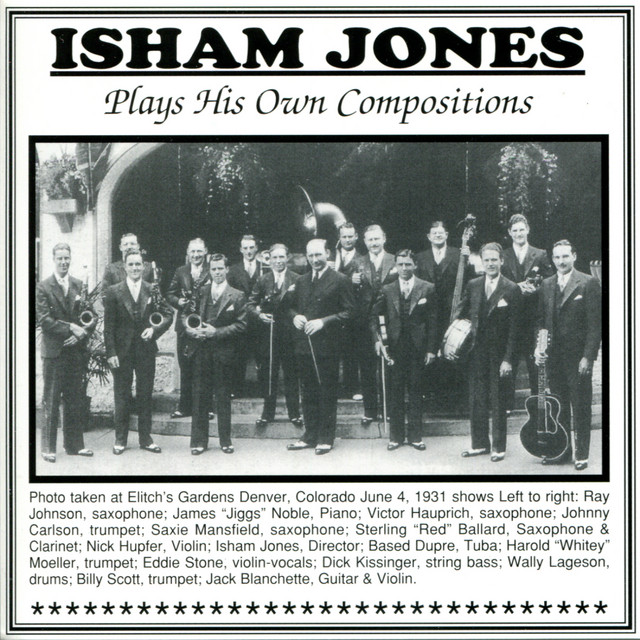
Plays His Own Compositions
January 16, 2001
Listen
2
/5
Genres
British Dance Band
British dance band refers to the polished, hotel-ballroom and radio-friendly dance orchestras active primarily in Britain during the 1920s and 1930s. Characterized by smooth, tightly arranged versions of foxtrots, waltzes, quicksteps, and tangos, the style blended American jazz-dance band idioms with British light-music and music-hall sensibilities. Improvisation was usually restrained in favor of clear melody, elegant voicings, and reliable “strict-tempo” rhythms designed for social dancing. Typical ensembles featured saxophones (often clarinet doubles), trumpets, trombone, violins, piano, banjo or guitar, string bass or tuba, and drums—sometimes with a crooner or vocal trio. The sound was urbane and genteel, popularized via prestigious hotel residencies (e.g., the Savoy) and BBC broadcasts, and it helped standardize many songs that later became part of the Great British and American songbooks.
Discover
Listen
Tin Pan Alley
Tin Pan Alley refers to the late‑19th- and early‑20th‑century New York music‑publishing hub that industrialized the creation and promotion of American popular song. Centered around West 28th Street in Manhattan, publishers and song pluggers churned out catchy tunes for mass sheet‑music sales and vaudeville performance. Musically, Tin Pan Alley songs favored memorable melodies, clear hooks, and singable ranges, often set in 3/4 waltz time or 4/4 with light syncopation picked up from ragtime. The prevailing 32‑bar AABA form became a defining template, with diatonic harmony enriched by secondary dominants, circle‑of‑fifths motion, and occasional modulations. Culturally, Tin Pan Alley fed Broadway revues, vaudeville circuits, and later radio and film, laying the foundation of the Great American Songbook. Its output ranges from romantic ballads to novelty numbers and uptempo dance songs, shaping the language of American popular music for decades.
Discover
Listen
Vaudeville
Vaudeville is a late‑19th to early‑20th‑century American variety stage tradition whose musical side blends comic songs, patter numbers, novelty tunes, sentimental ballads, ragtime interludes, and ensemble finales. It emphasized catchy melodies, memorable refrains, and clear diction so songs could land immediately with live audiences. Typical accompaniment was piano (often with a small pit ensemble of strings, reeds, and light percussion). Song forms favored verse–chorus and 32‑bar AABA structures, with simple diatonic harmony embellished by secondary dominants and ragtime‑style syncopation. Lyrics leaned into topical humor, character monologues, dialect turns (now recognized as historically problematic), and direct audience address. Unlike bawdier burlesque, vaudeville marketed itself as “family entertainment,” integrating music with comedy, dance, specialty acts, and novelty performance. Its stages and circuits incubated the American popular song, connected sheet‑music publishers with performers, and supplied early film and radio with talent and repertoire.
Discover
Listen
Similar albums
1996
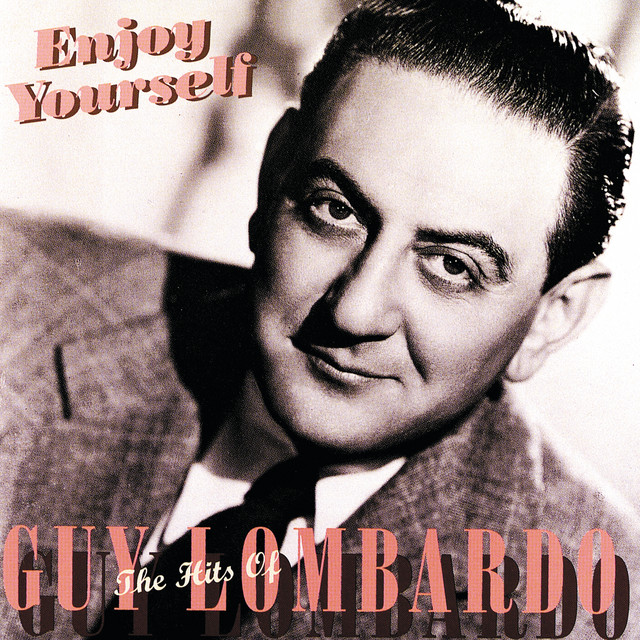
Enjoy Yourself: The Hits Of Guy Lombardo
Guy Lombardo
2013
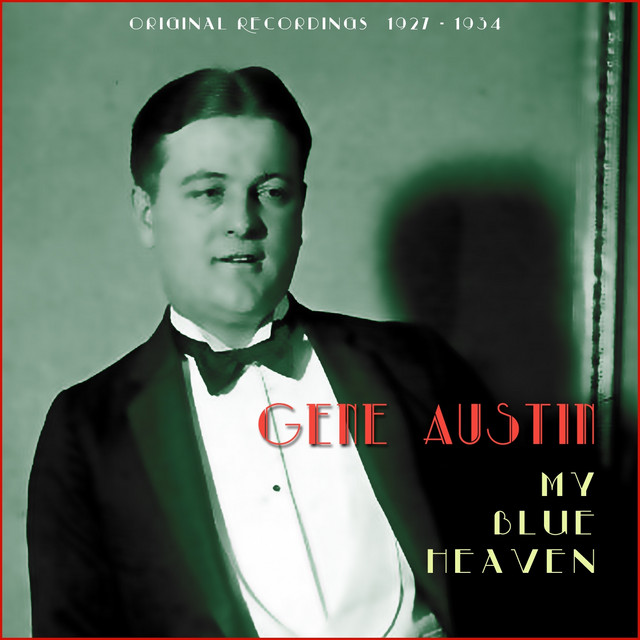
My Blue Heaven (Original Recordings 1927 - 1934)
Gene Austin
1956
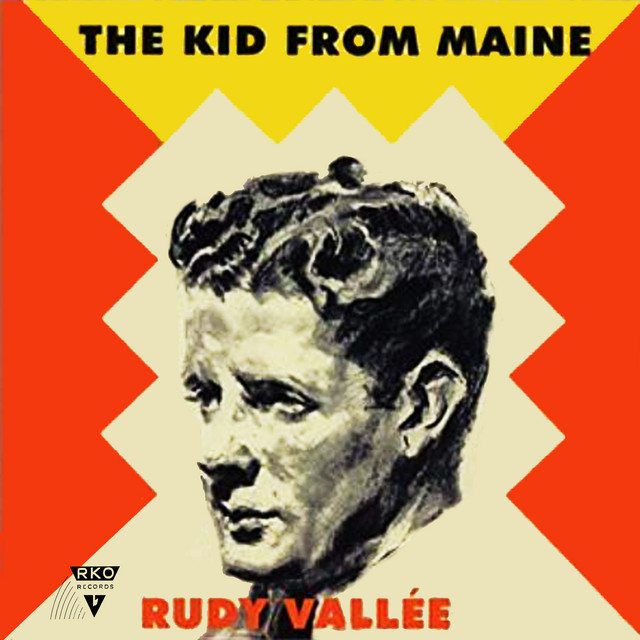
The Kid from Maine
Rudy Vallee
1964
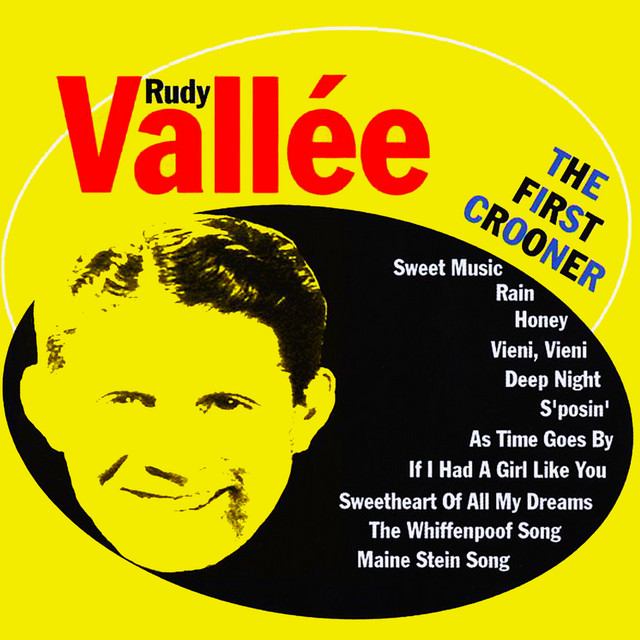
The First Crooner
Rudy Vallee
2017
Classics by Guy Lombardo
Guy Lombardo
2015
Uranium Rock - Fallout 4 Radio
Odetta
2004
Christmas Classics
Ferrante & Teicher
2010
Bioshock 2: The Official Soundtrack - Music From And Inspired By The Game
Fats Waller
1947
Souvenir Album
Al Jolson
2009
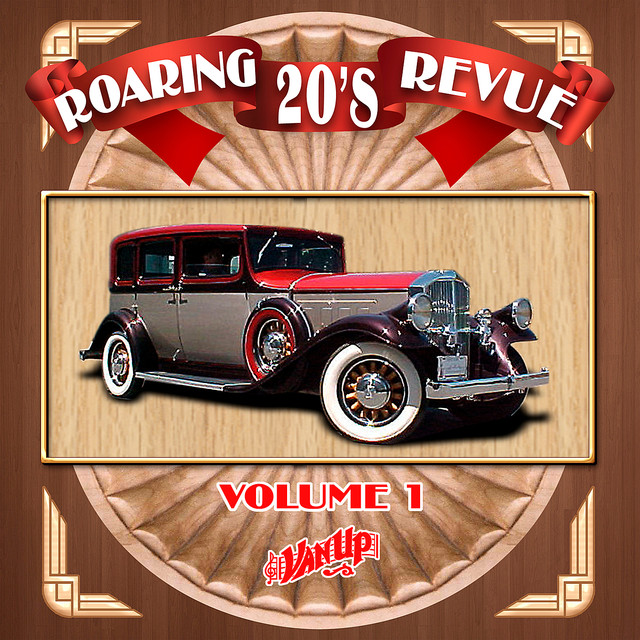
Roaring 20's Revue Vol. 1
Gene Austin
Download our mobile app
Get the Melodigging app and start digging for new genres on the go
Download on the App Store
Get it on Google Play
© 2026 Melodigging
Give feedback
Legal
Melodding was created as a tribute to
Every Noise at Once
, which inspired us to help curious minds keep digging into music's ever-evolving genres.