Genres
Make Music
Artists
Albums
Challenges
Sign in
Sign in
Albums
By The Dead C
Albums
By The Dead C
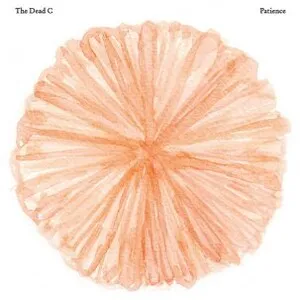
Patience
October 12, 2010
Listen
1
/5
Genres
Free Noise
Free noise is a strain of noise music rooted in the spontaneity and risk-taking of free improvisation and free jazz. It emphasizes texture, density, feedback, and non-idiomatic playing over melody, meter, or harmony, often favoring live, single-take recordings that capture raw interaction and room acoustics. Compared with more programmatic or sequenced noise, free noise treats sound as a collectively sculpted event—saxophones howling into amplifiers, contact mics feeding back, drums and junk percussion exploding in arrhythmic bursts, and electronics pushed to instability. The result can swing from microscopic crackle to full-spectrum saturation, from silence to overwhelming volume, privileging process, immediacy, and physical presence.
Discover
Listen
Noise
Noise is an experimental music genre that uses non-traditional sound sources, distortion, feedback, and extreme dynamics as primary musical materials. Instead of emphasizing melody, harmony, or conventional rhythm, it focuses on texture, density, timbre, and the physical presence of sound. Practitioners sculpt saturated walls of sound, piercing feedback, metallic clatter, contact-mic scrapes, tape hiss, and electronic interference into works that can be confrontational or meditative. Performances often highlight process and immediacy—improvisation, body movement, and site-specific acoustics—while recordings can range from lo-fi cassette overload to meticulously layered studio constructions. Though rooted in early avant-garde ideas, the genre coalesced as a distinct practice in the late 1970s and 1980s, especially through Japan’s ‘Japanoise’ scene, and subsequently influenced numerous styles across industrial, punk-adjacent, and experimental electronic music.
Discover
Listen
Experimental
Experimental music is an umbrella term for practices that prioritize exploration, process, and discovery over adherence to established genre norms. It embraces new sound sources, nonstandard tuning systems, indeterminacy and chance operations, graphic and open-form scores, extended techniques, and technology-led sound design (tape, electronics, computers, and live processing). Rather than a single style, it is a methodology and ethos: testing hypotheses about sound, structure, and performance, often blurring boundaries between composition, improvisation, sound art, and performance art. Listeners can expect unfamiliar timbres, unusual forms, and an emphasis on how music is made as much as the resulting sound.
Discover
Listen
Rock
Rock is a broad family of popular music centered on amplified instruments, a strong backbeat, and song forms that foreground riffs, choruses, and anthemic hooks. Emerging from mid‑20th‑century American styles like rhythm & blues, country, and gospel-inflected rock and roll, rock quickly expanded in scope—absorbing folk, blues, and psychedelic ideas—while shaping global youth culture. Core sonic markers include electric guitar (often overdriven), electric bass, drum kit emphasizing beats 2 and 4, and emotive lead vocals. Rock songs commonly use verse–chorus structures, blues-derived harmony, and memorable melodic motifs, ranging from intimate ballads to high‑energy, stadium‑sized performances.
Discover
Listen
Similar albums
2012
Night Coercion Into the Company of Witches
Natural Snow Buildings
2017
Synchromysticism
Yowie
2015
The Lost M.I.T.B. Sessions
Man Is the Bastard & Bastard Noise
2004
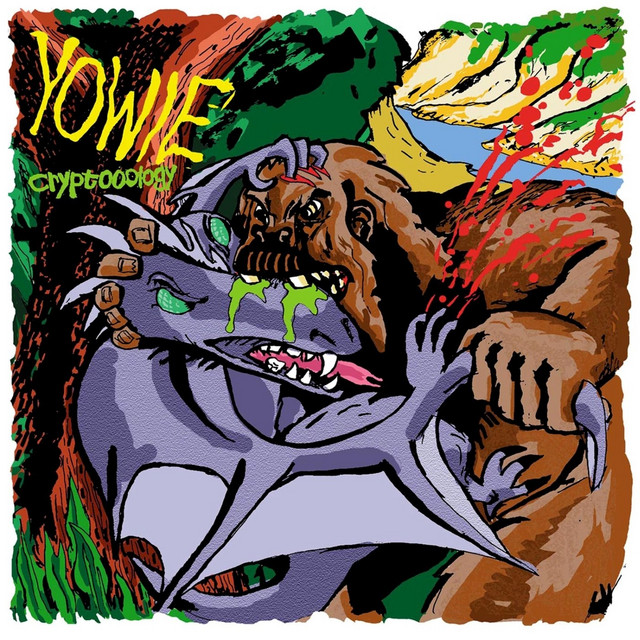
Cryptooology
Yowie
1997
Tusk
The Dead C
2014
Acaraki
Senyawa
2003
Boris at Last -Feedbacker-
Boris
2007
Future Artists
The Dead C
1994
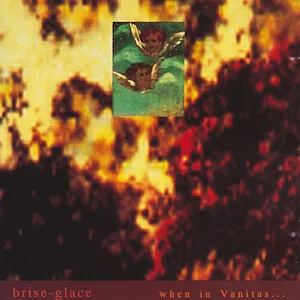
When in Vanitas...
Brise-Glace
2020
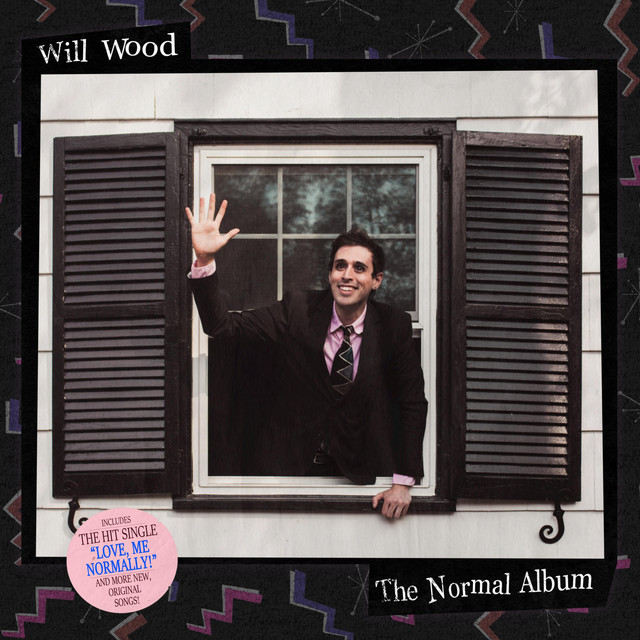
The Normal Album
Will Wood
Download our mobile app
Get the Melodigging app and start digging for new genres on the go
Download on the App Store
Get it on Google Play
© 2026 Melodigging
Give feedback
Legal
Melodding was created as a tribute to
Every Noise at Once
, which inspired us to help curious minds keep digging into music's ever-evolving genres.