Genres
Make Music
Artists
Albums
Challenges
Sign in
Sign in
Albums
By Patato
Albums
By Patato
Patato & Totico
January 1, 1968
Listen
1
/5
Genres
Son Montuno
Son montuno is a seminal variant of Cuban son distinguished by its extended montuno section: a vamp-based, call-and-response passage that spotlights coro–pregón vocals, cyclical piano or tres guajeos, and a propulsive rhythm section centered on the son clave. Compared with earlier septeto son, son montuno adopts a fuller conjunto format (trumpets, piano, conga added to bongó, maracas, claves, bass, and tres), thicker horn riffs, and more syncopated tumbaos. It balances a lyrical, narrative verse (canto or verso) with a highly danceable, improvisatory montuno, making it the bridge between rural son traditions and later big-band and urban Afro‑Caribbean dance styles.
Discover
Listen
Son Cubano
Son cubano is a foundational Cuban genre that fuses Spanish-derived song forms and harmony with Afro-Cuban rhythms and percussion. Born in eastern Cuba (Oriente) and crystallized in Havana in the 1910s–1920s, it became the backbone of much of 20th‑century Latin popular music. Typical ensembles began as sextetos (tres, guitar, bongó, maracas, claves, and bass or marímbula) and later evolved into septetos with trumpet. Conjunto formats in the 1940s added piano, congas, and multiple horns. The music rides a son clave (in 3‑2 or 2‑3 orientation), features interlocking tres guajeos, a walking/tumbao bass that anticipates the downbeat, and call‑and‑response vocals in the montuno section. Harmonically it is rooted in I–IV–V with bluesy dominant sevenths and occasional secondary dominants. Lyrically it balances romance, everyday life, and streetwise wit, always aimed at dancing and social gathering.
Discover
Listen
Rumba Cubana
Rumba cubana is an Afro‑Cuban secular music and dance tradition born in the working‑class solares and dockyards of Havana and Matanzas in the late 19th century. It is percussion‑driven, sung in call‑and‑response, and danced in a highly interactive way. The genre revolves around the rumba clave (in 3‑2 or 2‑3 orientation), interlocking conga (tumbadora) parts, wooden sticks (palitos) on the drum shell, and often cajones (wooden boxes) and chekeré. Its main substyles are yambú (slow and graceful), guaguancó (medium tempo, playful “vacunao” courtship gesture), and columbia (fast, often in 12/8, originally a solo male competitive dance). Rumba cubana is distinct from the ballroom “rhumba.” It is a community practice that blends Central/West African rhythmic logics with Spanish song poetry, improvisation, and dance theater.
Discover
Listen
Guaguancó
Guaguancó is a vibrant couple-dance style within the Cuban rumba family that emerged in working‑class Afro‑Cuban neighborhoods, especially in Havana and Matanzas. It features an interlocking percussion ensemble, call‑and‑response vocals, and a flirtatious dance whose central dramatic gesture is the vacunao, a playful, sudden pelvic or hand "tag" that the partner attempts to block. Musically, guaguancó is organized around the rumba clave (in 3‑2 or 2‑3 orientation), with layered patterns on congas (tumbadoras), the lead quinto drum improvising over the groove, and timekeeping on claves and a wooden guagua/cata. The singing typically begins with an improvised diana (vocal fanfare), moves into solo verses (pregón) and a catchy coro (estribillo). The overall effect is communal, earthy, and intensely rhythmic—designed as much for dance and social play as for musical display.
Discover
Listen
Similar albums
2013
Primitivo
Arsenio Rodríguez
1957
El inigualable
Beny Moré
1969
Controversia
Ismael Rivera y sus Cachimbos
1964
Echando pa'lante (Straight Ahead)
Eddie Palmieri
1991
Dance Mania
Tito Puente and His Orchestra
1969
Together
Ray Barretto
1956
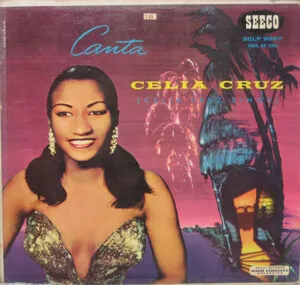
Canta Celia Cruz
Celia Cruz
1993
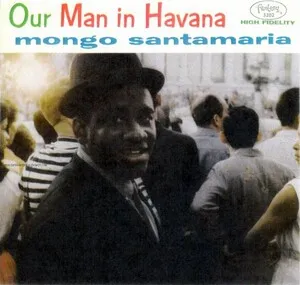
Our Man in Havana
Mongo Santamaría
1965
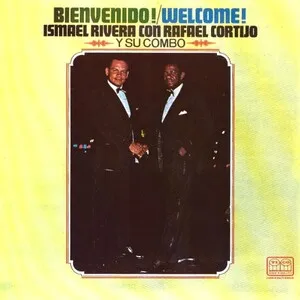
Bienvenido! / Welcome!
Ismael Rivera & Cortijo y Su Combo
1969
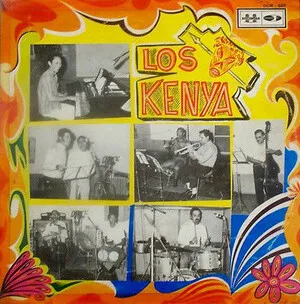
Los Kenya
Los Kenya
Download our mobile app
Get the Melodigging app and start digging for new genres on the go
Download on the App Store
Get it on Google Play
© 2026 Melodigging
Give feedback
Legal
Melodding was created as a tribute to
Every Noise at Once
, which inspired us to help curious minds keep digging into music's ever-evolving genres.