Genres
Make Music
Artists
Albums
Challenges
Sign in
Sign in
Albums
By The Rolling Stones
Albums
By The Rolling Stones
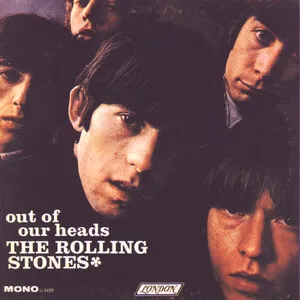
Out of Our Heads
July 30, 1965
Listen
4
/5
Genres
Classic Rock
Classic rock is a radio-defined umbrella for mainstream, guitar-centered rock music from the mid-1960s through the 1980s. It emphasizes blues-based riffs, memorable choruses, sturdy backbeats, and prominent guitar solos, often framed by warm, analog production. Rather than being a single stylistic branch, classic rock curates a canon that spans hard rock, blues rock, folk rock, psychedelic and progressive strains, and heartland- and country-tinged rock. Albums and album-oriented rock (AOR) values—extended tracks, conceptual cohesion, and musicianship—are central to its identity. The sound evokes tube-amp crunch, Hammond organs, stacked vocal harmonies, and anthemic songwriting designed for both FM radio and the concert arena.
Discover
Listen
British Rhythm & Blues
British rhythm & blues is the United Kingdom’s early-1960s reinterpretation of American rhythm and blues and electric Chicago blues, performed by beat-era groups with louder amplification, a tougher backbeat, and club-ready energy. The style centers on electric guitar riffs, harmonica leads, driving bass-and-drum grooves, and raw, sometimes shouted vocals. Repertoires leaned heavily on covers of Chess and Vee-Jay artists (Muddy Waters, Howlin’ Wolf, Bo Diddley, Chuck Berry) alongside original songs built from I–IV–V blues frameworks. It is tightly linked to London’s club circuit and the mod scene, where fast tempos, stomping shuffles, and an emphasis on danceable grooves defined the sound. Compared to American R&B and blues, British R&B is generally more aggressive and amplified, foregrounding attack, repetition, and live immediacy. It became a springboard for blues rock, psychedelic rock, hard rock, and eventually the UK pub-rock to punk lineage.
Discover
Listen
Blues Rock
Blues rock is a guitar-driven style that fuses the raw feeling and 12‑bar structures of the blues with the power, volume, and rhythmic punch of rock. It emphasizes riff-based songs, pentatonic and blues-scale soloing, call‑and‑response between voice and guitar, and an expressive, often gritty vocal delivery. Typical ensembles are power trios (guitar, bass, drums) or quartet formats adding second guitar, keyboards, or harmonica, and performances commonly feature extended improvisation. Sonically, it favors overdriven tube-amp tones, sustained bends, vibrato, and dynamic contrasts, moving from shuffles and boogies to straight‑eighth rock grooves.
Discover
Listen
Rock
Rock is a broad family of popular music centered on amplified instruments, a strong backbeat, and song forms that foreground riffs, choruses, and anthemic hooks. Emerging from mid‑20th‑century American styles like rhythm & blues, country, and gospel-inflected rock and roll, rock quickly expanded in scope—absorbing folk, blues, and psychedelic ideas—while shaping global youth culture. Core sonic markers include electric guitar (often overdriven), electric bass, drum kit emphasizing beats 2 and 4, and emotive lead vocals. Rock songs commonly use verse–chorus structures, blues-derived harmony, and memorable melodic motifs, ranging from intimate ballads to high‑energy, stadium‑sized performances.
Discover
Listen
Similar albums
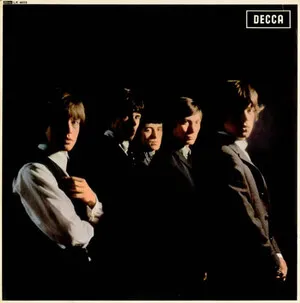
1964
The Rolling Stones
The Rolling Stones
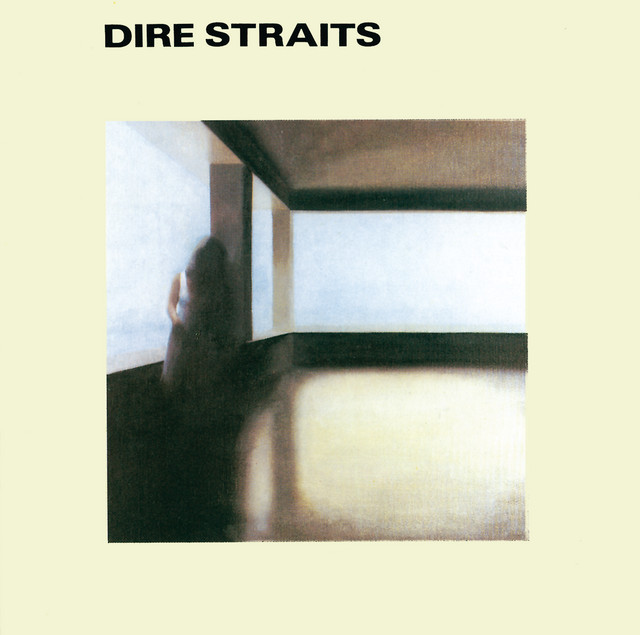
1978
Dire Straits
Dire Straits
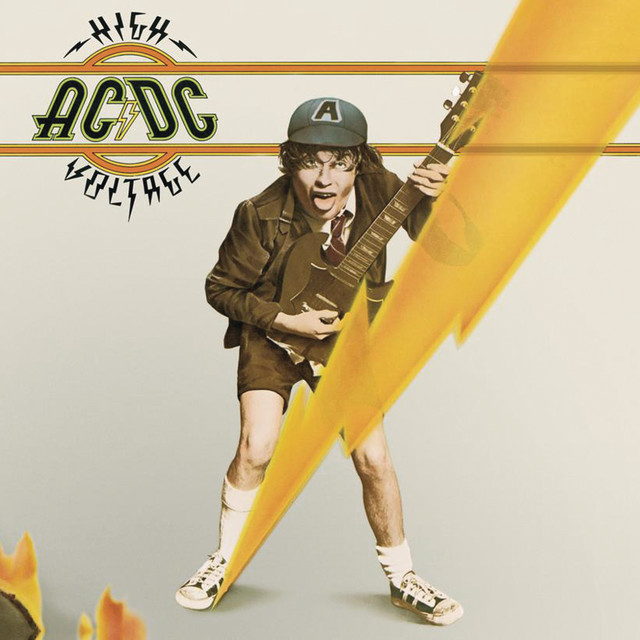
1976
High Voltage
AC/DC
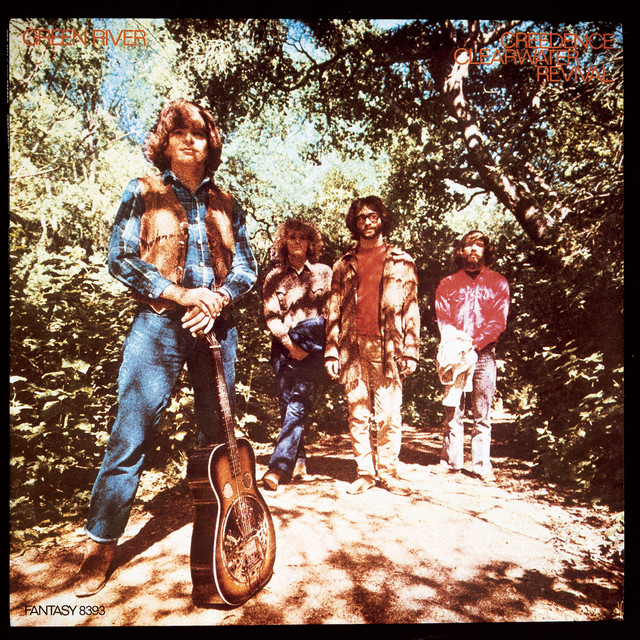
1969
Green River
Creedence Clearwater Revival
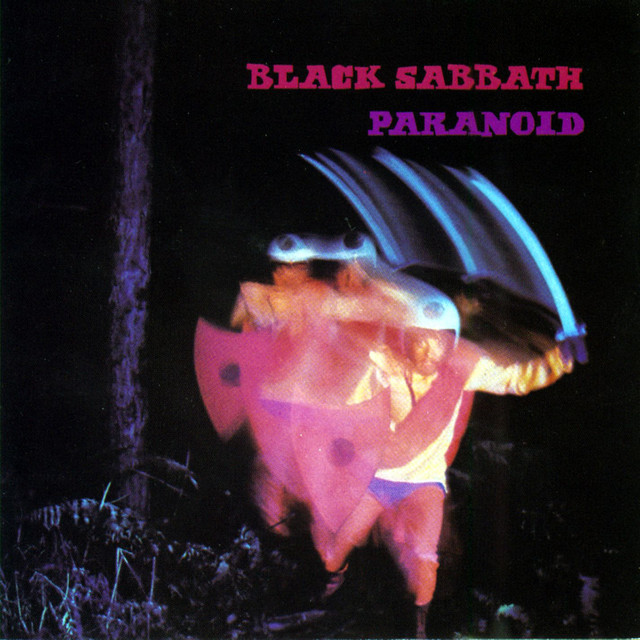
1970
Paranoid
Black Sabbath
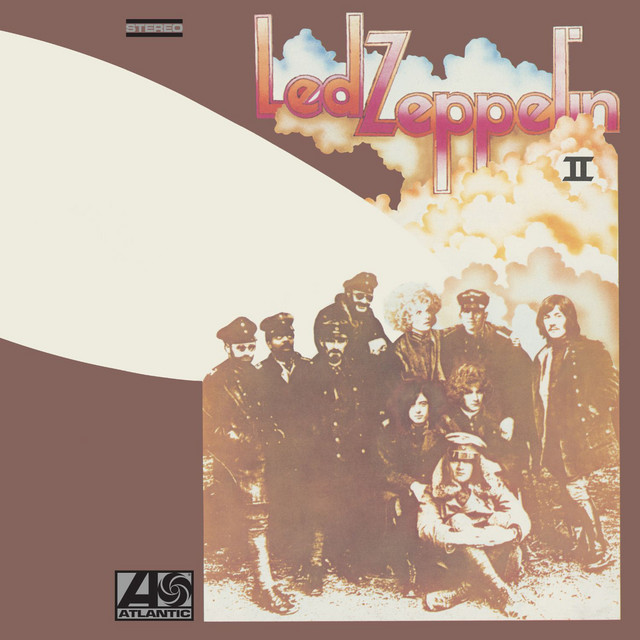
1969
Led Zeppelin II (1994 Remaster)
Led Zeppelin
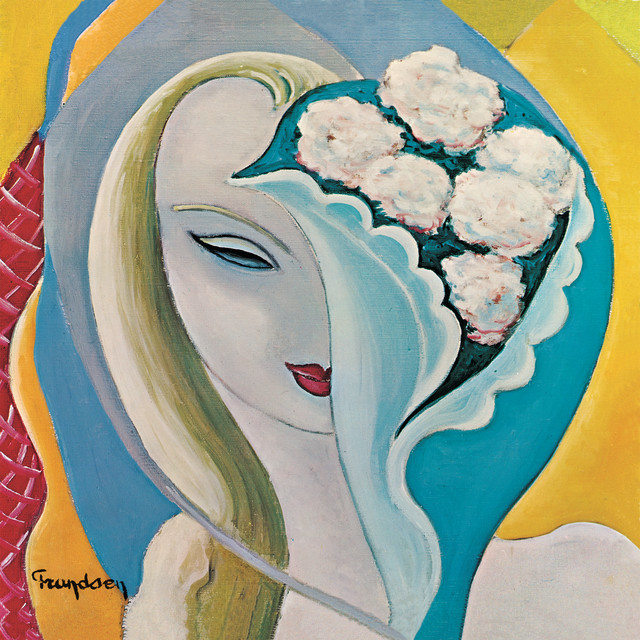
1970
Layla and Other Assorted Love Songs
Derek and The Dominos
1979
Communiqué
Dire Straits
1968
Beggars Banquet
The Rolling Stones
1964
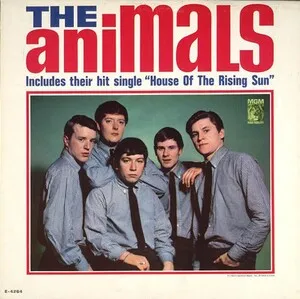
The Animals
The Animals
Download our mobile app
Get the Melodigging app and start digging for new genres on the go
Download on the App Store
Get it on Google Play
© 2026 Melodigging
Give feedback
Legal
Melodding was created as a tribute to
Every Noise at Once
, which inspired us to help curious minds keep digging into music's ever-evolving genres.