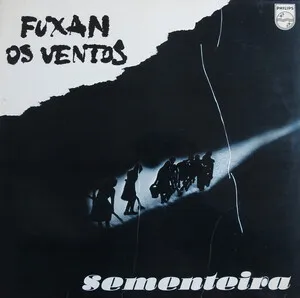
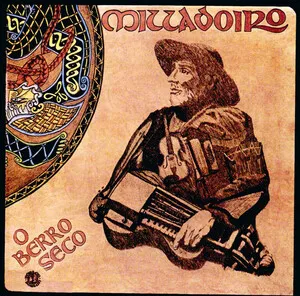
Spanish folk music is the umbrella term for the traditional, regionally rooted musics of Spain, encompassing dance-songs, narrative ballads, ritual chants, and instrumental dance forms. It spans the Iberian Peninsula’s diverse cultures—Galician, Asturian, Castilian, Basque, Catalan, Aragonese, Valencian, Balearic, Andalusian, and others—each with its own instruments, rhythms, and vocal styles.
Typical sounds range from northwestern bagpipe-led ensembles (gaita, tamboril) and Basque trikitixa (diatonic accordion) to Catalan cobla bands for sardana, Castilian dulzaina (shawm) bands, and Andalusian string and percussion traditions related to fandangos and sevillanas. Modal melodies, drones, additive and hemiola-inflected meters, and call-and-response refrains are common. Songs often accompany social dances, agricultural cycles, pilgrimages, and community festivities, with lyrics that alternate between humorous, devotional, and romantic or nostalgic themes.