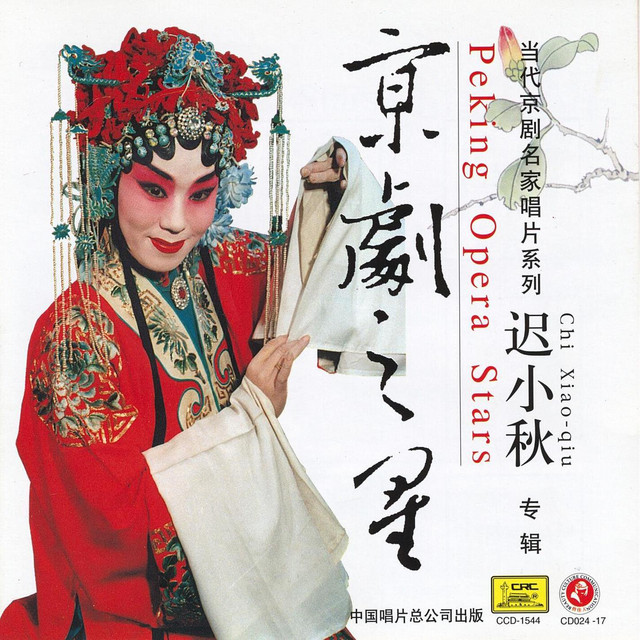
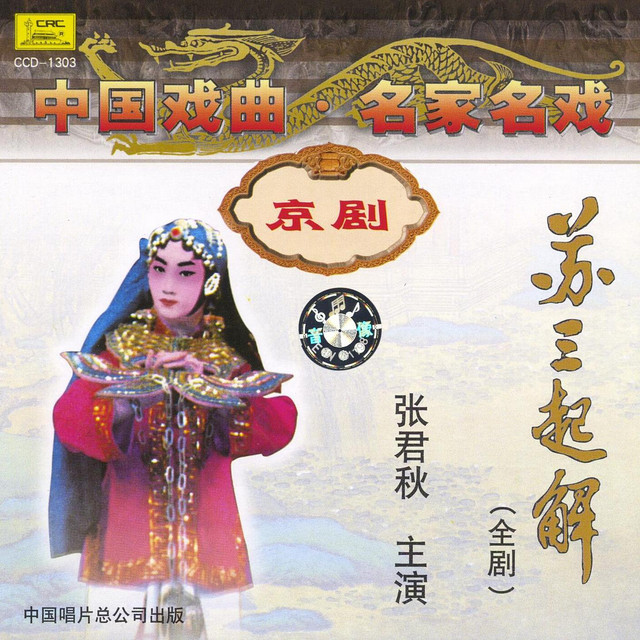
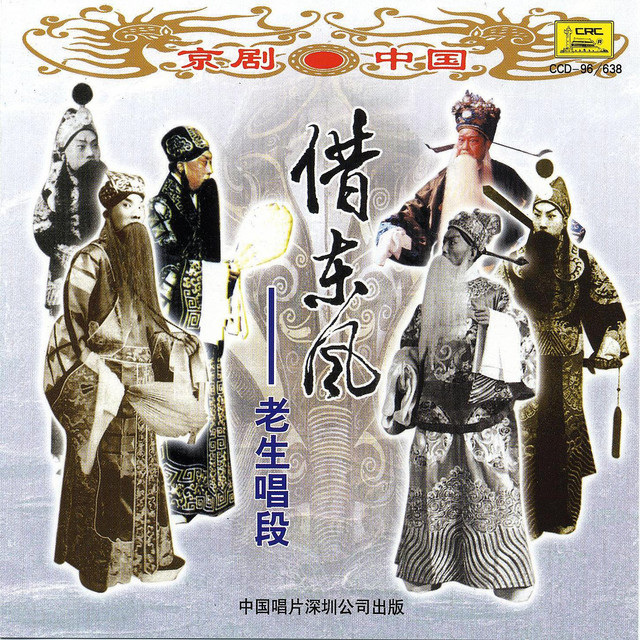
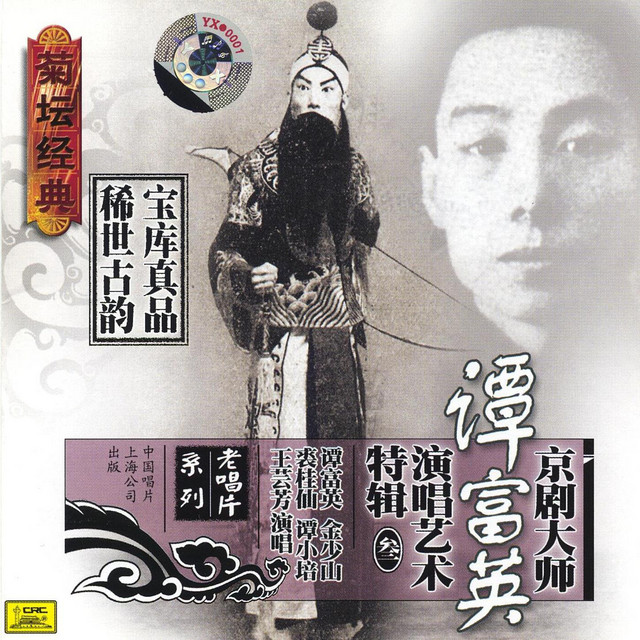
Chinese opera (xiqu) is a family of traditional Chinese sung-drama forms that merge music, poetic text, stylized speech, dance, mime, and acrobatics into a total theatre.
Musically, it is built on pentatonic-centered melodies, heterophonic textures, and a flexible "banqiang" system of tune-types and meter that adapts melodic formulae to changing text and dramatic situations. A small melodic ensemble led by the high-pitched jinghu (or regional equivalents) accompanies the voices, while a percussion battery (bangu drum, gongs, and cymbals) functions as both timekeeper and dramatic cue-giver.
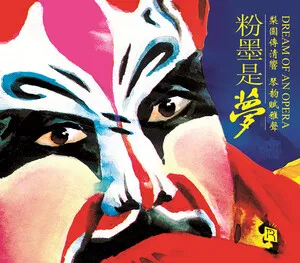
Performance is highly codified: role categories (sheng, dan, jing, chou), emblematic makeup and costumes, and conventionalized gesture and movement communicate character, mood, and plot. Staging is minimal and symbolic, placing emphasis on vocal delivery, timing, and physical vocabulary.
The tradition encompasses hundreds of regional styles—among them Kunqu, Beijing (Peking) opera, Yue (Shaoxing) opera, Sichuan opera, and Qinqiang—each with distinctive vocal timbres, tune systems, dialects, and orchestration, yet sharing the overarching xiqu aesthetics.