Genres
Make Music
Artists
Albums
Challenges
Sign in
Sign in
Albums
By NEU!
Albums
By NEU!
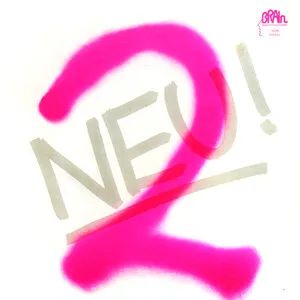
NEU! 2
1973
Listen
2
/5
Genres
Düsseldorf School
The Düsseldorf School is a strand of German electronic and experimental rock that emerged in the early 1970s around the city of Düsseldorf. It is characterized by a minimalist, machine-precise “motorik” pulse, sleek modernist aesthetics, and a cool, detached approach to vocals and presentation. Artists in this school favored repetition, linear song structures, and the use of synthesizers, drum machines, and sequencers to evoke the sounds of contemporary technology, transit, and urban life. While often grouped within Krautrock, the Düsseldorf sound is more urban, pop-leaning, and design-conscious than the cosmic, improvisatory Berlin School, directly laying foundations for synth-pop, electro, techno, EBM, and much of electronic pop thereafter.
Discover
Listen
Krautrock
Krautrock is an experimental form of rock that emerged in late-1960s West Germany, characterized by hypnotic repetition, long-form structures, and a forward-looking embrace of electronics and studio experimentation. It typically features a steady, driving 4/4 “motorik” beat, circular bass ostinatos, sparse harmonic movement, and textural layering that draws from minimalism, free improvisation, and avant-garde composition. Rather than virtuosic solos, the emphasis is on collective groove, trance-inducing momentum, and timbral exploration. The sound ranges from raw, percussive jams to spacious, cosmic electronics, often eschewing conventional Anglo-American blues forms in favor of a distinctly European modernist aesthetic.
Discover
Listen
Rock
Rock is a broad family of popular music centered on amplified instruments, a strong backbeat, and song forms that foreground riffs, choruses, and anthemic hooks. Emerging from mid‑20th‑century American styles like rhythm & blues, country, and gospel-inflected rock and roll, rock quickly expanded in scope—absorbing folk, blues, and psychedelic ideas—while shaping global youth culture. Core sonic markers include electric guitar (often overdriven), electric bass, drum kit emphasizing beats 2 and 4, and emotive lead vocals. Rock songs commonly use verse–chorus structures, blues-derived harmony, and memorable melodic motifs, ranging from intimate ballads to high‑energy, stadium‑sized performances.
Discover
Listen
Electronic
Electronic is a broad umbrella genre defined by the primary use of electronically generated or electronically processed sound. It encompasses music made with synthesizers, drum machines, samplers, computers, and studio/tape techniques, as well as electroacoustic manipulation of recorded or synthetic sources. The genre ranges from academic and experimental traditions to popular and dance-oriented forms. While its sonic palette is rooted in electricity and circuitry, its aesthetics span minimal and textural explorations, structured song forms, and beat-driven club permutations. Electronic emphasizes sound design, timbre, and studio-as-instrument practices as much as melody and harmony.
Discover
Listen
Similar albums
2009
After the Heat
Brian Eno, Moebius & Hans-Joachim Roedelius
1975
Radio-Aktivität
Kraftwerk
1974
2nd
Agitation Free
1973
Future Days
Can
1974
Autobahn
Kraftwerk
2021
Humans in a Pool
Takeshi's Cashew
1978
Viva
La Düsseldorf
1983
Zero Set
Moebius, Conny Plank & Mani Neumeier
1971
Cluster
Cluster
1978
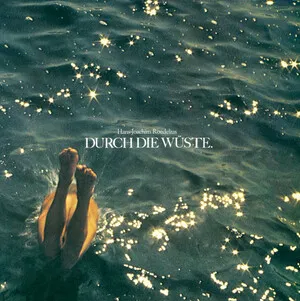
Durch die Wüste
Hans-Joachim Roedelius
Download our mobile app
Get the Melodigging app and start digging for new genres on the go
Download on the App Store
Get it on Google Play
© 2026 Melodigging
Give feedback
Legal
Melodding was created as a tribute to
Every Noise at Once
, which inspired us to help curious minds keep digging into music's ever-evolving genres.