Genres
Make Music
Artists
Albums
Challenges
Sign in
Sign in
Albums
By Jupiter & Okwess
Albums
By Jupiter & Okwess
Na Kozonga
April 23, 2021
Listen
1
/5
Genres
Afro Rock
Afro rock is a fusion of African popular and traditional rhythms with the power, instrumentation, and song forms of rock music. It typically blends electric guitar riffs, bass-driven grooves, trap-set drumming, and horns with polyrhythms drawn from styles such as highlife, afrobeat, and juju. The result is a propulsive, dance-forward sound that can be earthy and communal yet also psychedelic and exploratory. Emerging at the turn of the 1970s, afro rock drew on the global spread of rock and funk while foregrounding African rhythmic cycles, call-and-response vocals, and percussion. It often features extended jams, bright horn lines, and chant-like hooks, sitting comfortably between concert-stage rock energy and down-home, party-starting social dance music.
Discover
Listen
Afro-Funk
Afro-funk is a groove-driven fusion that marries the syncopated punch of American funk with West African rhythmic traditions such as highlife and jùjú. It features tightly interlocking rhythm sections, ostinato bass lines, bright horn riffs, call-and-response vocals, and guitar textures that often use wah-wah, palm-muted chanks, and cyclical vamps. While rooted in dance-floor energy, afro-funk retains a strong sense of locality—languages, proverbs, and social themes are woven into songs—making it both a party music and a vehicle for cultural expression. The sound flourished in the 1970s across West Africa, especially Nigeria, Ghana, and Benin, with some bands based in diasporic hubs like London, creating a pan-African, cosmopolitan take on funk.
Discover
Listen
Afrobeat
Afrobeat is a horn-driven, polyrhythmic, and politically charged style that emerged in Nigeria, spearheaded by bandleader Fela Kuti and drummer Tony Allen. It fuses West African highlife and juju with American funk, jazz, and soul to create extended, hypnotic grooves. Typical tracks revolve around interlocking guitar and keyboard ostinatos, elastic bass vamps, dense percussion (shekere, congas, agogô, cowbell), and tightly arranged horn riffs that punctuate the beat. Vocals often use call-and-response and socially conscious lyrics, delivered in English, Nigerian Pidgin, or Yoruba. Harmonically sparse but rhythmically intricate, Afrobeat prioritizes feel: long, evolving arrangements, richly syncopated drum patterns, and sectional dynamics that spotlight solos and collective interplay.
Discover
Listen
Soukous
Soukous is a high-energy dance music that evolved in the Congolese region (Kinshasa–Brazzaville) from Congolese rumba and Afro‑Cuban styles. It is defined by interlocking electric guitars, buoyant bass lines, bright horn stabs, and long, fast "sebene" instrumental sections designed for dancing. Vocals are often in Lingala with French interjections, and themes frequently revolve around romance, urban life, and social commentary. The music emphasizes forward motion and joyful release, pairing Afro‑Cuban rhythmic logic (clave-informed phrasing) with signature Congolese guitar picking that creates a shimmering, cascading texture.
Discover
Listen
Central African Music
Central African music is an umbrella term for the traditional and popular styles that emerged in and around the Congo Basin, including today’s Democratic Republic of the Congo, Republic of the Congo, Central African Republic, Cameroon, Gabon, Equatorial Guinea, and parts of Chad and Angola. It blends deep-rooted forest and Bantu musical practices—polyphonic vocal traditions, call-and-response singing, interlocking rhythms, slit- and frame-drum ensembles, thumb pianos (likembe/sanza), and xylophones—with urban dance-band instrumentation and Latin/Caribbean influences brought by early records from Cuba. In the mid‑20th century these elements crystallized in highly influential guitar-led dance musics (notably Congolese rumba and, later, soukous/ndombolo), alongside Cameroonian scenes such as makossa and bikutsi. Signature traits include buoyant, cyclical grooves; bright, interlocking guitar parts (the sebene); syncopated bass ostinatos; bell and shaker time-lines; and exuberant call-and-response vocals in languages such as Lingala, French, Sango, Duala, and others. The result ranges from tender, romantic rumba ballads to fast, ecstatic dance pieces that dominate social life and regional club culture.
Discover
Listen
Congolese Rumba
Congolese rumba (often called African rumba) is a danceable, guitar-driven popular music that emerged in Kinshasa and Brazzaville after World War II. It blends Afro‑Cuban son and bolero harmonies with Central African rhythmic sensibilities and call‑and‑response vocals. Typical recordings feature interlocking electric guitars (rhythm, mi‑solo and lead) playing lilting, cyclical figures over a steady, clave‑informed groove, buoyed by congas, maracas, cowbell, bass tumbao, and occasional horns. Songs frequently move from a lyrical, crooning verse into an extended instrumental vamp called the “sebene,” where the band raises the energy for dancers. Lyrically, Congolese rumba often uses Lingala (and sometimes French), celebrating romance, urban life, and social themes with suave vocal harmonies and a refined sense of melody.
Discover
Listen
Similar albums
1972
African Voodoo
Manu Dibango
2001
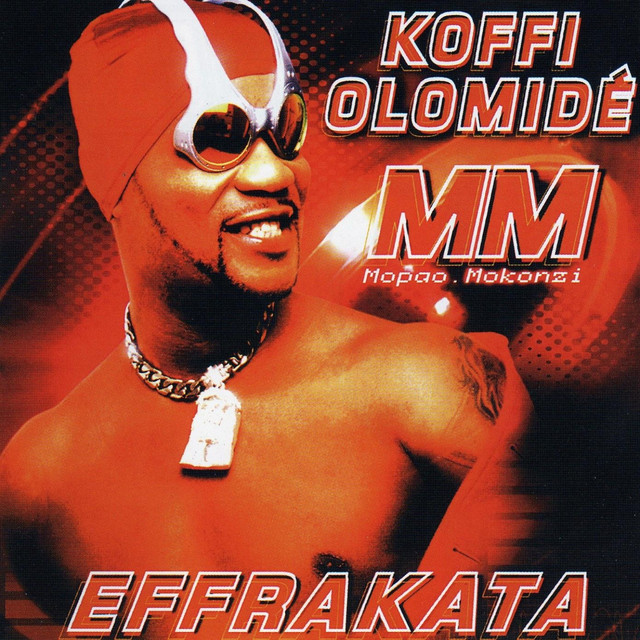
Effrakata
Koffi Olomidé MM Mopao. Mokonzi
2018
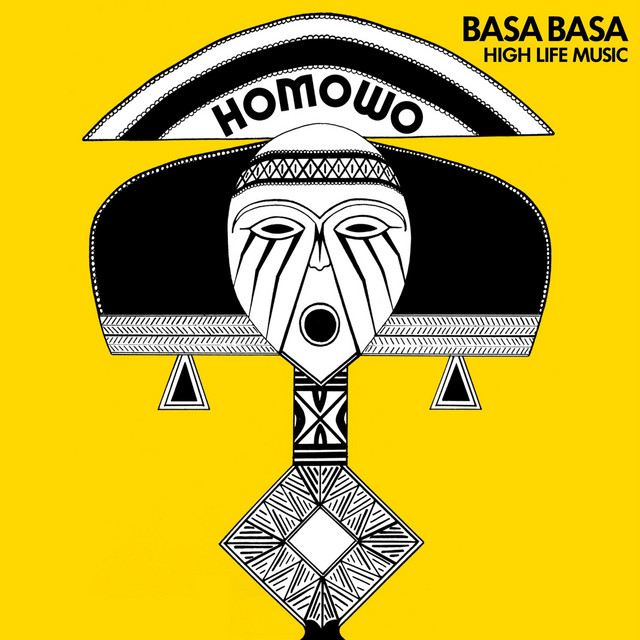
Homowo: High Life Music
Basa Basa
1972
Africadelic
Manu Dibango and his African Pop Group
1980
Conflict Nkru!
Ebo Taylor / Uhuru Yenzu
2011
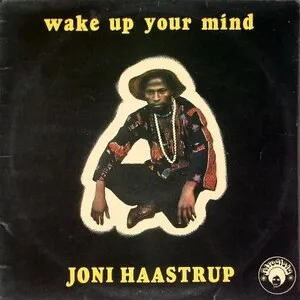
Wake Up Your Mind
Joni Haastrup
1992
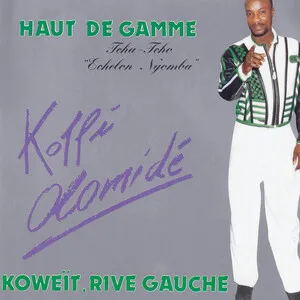
Haut de gamme tcha-tcho "Echelon Ngomba" - Koweït, rive gauche
Koffi Olomidé
2019
Nigeria 70: No Wahala: Highlife, Afro-Funk & Juju 1973-1987
Odeyemi
2018
African Scream Contest 2 (Analog Africa No. 26)
Les Sympathics de Porto Novo
2005
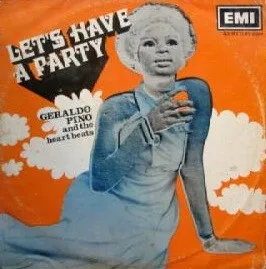
Let's Have a Party
Geraldo Pino and The Heart Beats
Download our mobile app
Get the Melodigging app and start digging for new genres on the go
Download on the App Store
Get it on Google Play
© 2026 Melodigging
Give feedback
Legal
Melodding was created as a tribute to
Every Noise at Once
, which inspired us to help curious minds keep digging into music's ever-evolving genres.