Genres
Make Music
Artists
Albums
Challenges
Sign in
Sign in
Albums
By Miwa Yonashiro 與那城美和
Albums
By Miwa Yonashiro 與那城美和
Myahk Song Book "Ima"
January 20, 2018
Listen
1
/5
Genres
Min'yō
Min'yō refers to the diverse body of Japanese folk songs that arose from everyday life—work, festivals, travel, drinking gatherings, and lullabies—across regions of Japan. The songs are typically strophic, use local dialects, and often include onomatopoeic calls and interjections (kakegoe) such as “sore!” or “yoisho!” that energize group participation. Musically, min'yō commonly employs Japanese pentatonic scales—especially the anhemitonic yo scale and the hemitonic in-sen scale—with characteristic melismatic ornaments (kobushi), tight, bright vocal timbres, and flexible timing that respects ma (expressive space). Accompaniments are traditionally provided by shamisen, shinobue (transverse bamboo flute), shakuhachi, taiko and hand drums, and sometimes koto, with heterophonic textures rather than harmonic progressions. Stylistically, subtypes such as “-bushi” and “-ondo” reflect narrative vs. dance-oriented tendencies, respectively, with well-known regional examples like Soran-bushi (Hokkaidō), Tsugaru folk repertoire (Aomori), and Sado okesa (Niigata).
Discover
Listen
Ryukyuan Music
Ryukyuan music is the traditional music of the Ryukyu Islands (Okinawa, Amami, Miyako, Yaeyama), characterized by its distinctive pentatonic melodic language, island dialect lyrics, and the signature sound of the snakeskin-covered three‑string lute called the sanshin. It encompasses refined court repertoires (koten ongaku), narrative song, and a rich array of folk and dance genres (collectively shima‑uta), alongside powerful festival drumming traditions like eisa. Its timbre is immediately recognizable: nasal yet warm vocals ornamented with slides and a light, flexible vibrato, the dry plucked resonance of the sanshin, and supportive percussion from frame drums and hand instruments such as sanba castanets. Melodically, Ryukyuan songs favor pentatonic modes that omit certain scale degrees (often the 2nd and 6th), creating a bittersweet, floating quality. Songs range from intimate, contemplative ballads to exuberant dance pieces like kachāshī. Ryukyuan music developed at the crossroads of East and Southeast Asia through the maritime Ryukyu Kingdom. Court forms absorbed diplomatic and ritual influences from Chinese and Japanese traditions, while village songs preserved local dialects, call‑and‑response structures, and communal dance, yielding a living tradition that continues to inspire contemporary pop and world‑music fusions.
Discover
Listen
Similar albums
2001
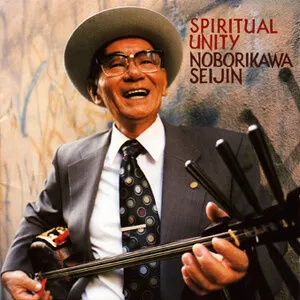
Spiritual Unity
Seijin Noborikawa 登川誠仁
2007
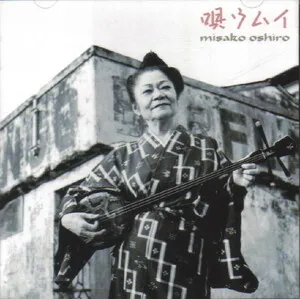
Uta umui 唄ウムイ
Misako Oshiro 大城美佐子
2019
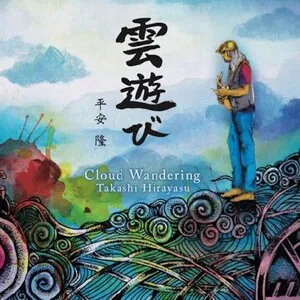
雲遊び (Cloud Wandering)
Takashi Hirayasu
2017
Echoes of Japan (エコーズ・オブ・ジャパン)
Minyo Crusaders
2015
Japanese Masterpieces for the Koto
Master Musicians of Ikuta-Ryu
1961
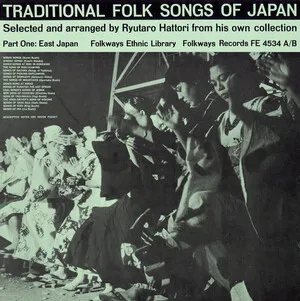
Traditional Folk Songs of Japan, Part One: East Japan
2024
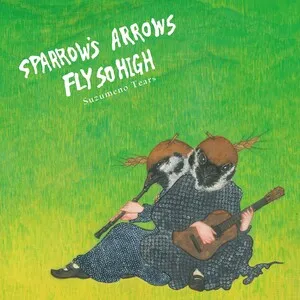
Sparrow's Arrows Fly So High
Suzumeno Tears すずめのティアーズ
2011
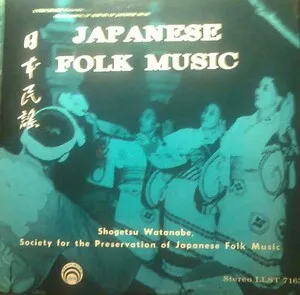
Japanese Folk Music
Shogetsu Watanabe
2013
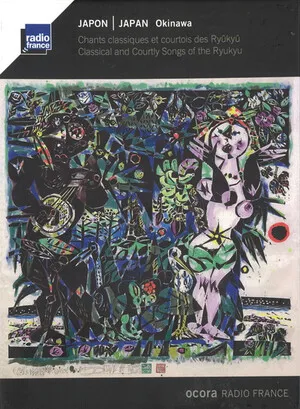
Japon, Okinawa: Chants classiques et courtois des Ryûkyû
Chōichi Terukina 照喜名朝一 / Shinjin Kise 喜瀬慎仁 / Masaya Yamauchi 山内昌也
1999
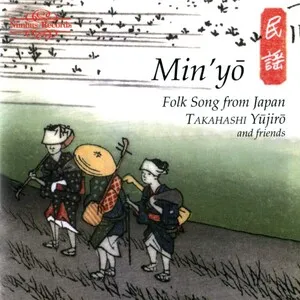
Min'yo: Folk Song From Japan
Takahashi Yujiro and Friends
Download our mobile app
Get the Melodigging app and start digging for new genres on the go
Download on the App Store
Get it on Google Play
© 2026 Melodigging
Give feedback
Legal
Melodding was created as a tribute to
Every Noise at Once
, which inspired us to help curious minds keep digging into music's ever-evolving genres.