Turkish folk music (Türk Halk Müziği) is the traditional, orally transmitted music of Anatolia and Thrace, shaped by centuries of village life, nomadic routes, and urban courtly exchange. It marries local poetic forms with the modal (makam) vocabulary common across the Eastern Mediterranean, and favors distinctive "aksak" (limping) meters.
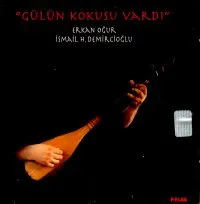
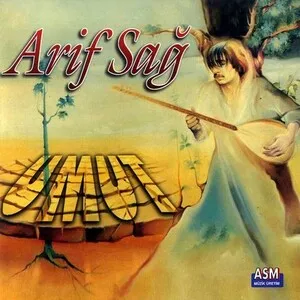
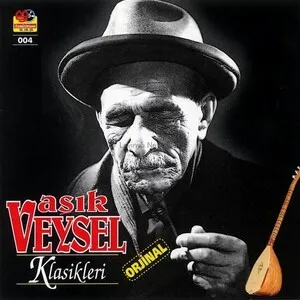
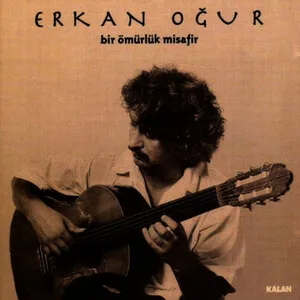
Core instruments include bağlama/saz (and its family: cura, divan sazı), kaval and ney (end-blown flutes), zurna (shawm) with davul (bass drum), kaşık (spoons), darbuka, kabak kemane (spike fiddle), regional kemençe and tulum (Black Sea), and clarinet (especially in Thrace). Vocals often feature heterophony and ornamentation, spanning two main tempo-types: "uzun hava" (non-metric, free-rhythm song) and "kırık hava" (metric, dance-oriented song). Well-known regional/dance forms include zeybek, halay, horon, semah, and çiftetelli.
Themes typically explore love and longing, migration and exile (gurbet), nature, social satire, and mystical devotion (Alevi-Bektaşi deyiş). The modern category coalesced in the early Republic through collection, notation, and broadcasting, yet it preserves strong local dialects and microtonal nuances.