Genres
Make Music
Artists
Albums
Challenges
Sign in
Sign in
Albums
By David Byrne
Albums
By David Byrne
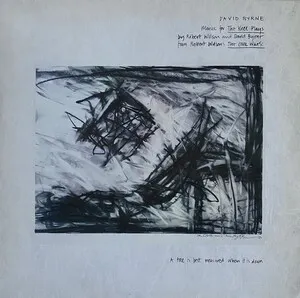
Music for the Knee Plays
1985
Listen
2
/5
Genres
Rock
Rock is a broad family of popular music centered on amplified instruments, a strong backbeat, and song forms that foreground riffs, choruses, and anthemic hooks. Emerging from mid‑20th‑century American styles like rhythm & blues, country, and gospel-inflected rock and roll, rock quickly expanded in scope—absorbing folk, blues, and psychedelic ideas—while shaping global youth culture. Core sonic markers include electric guitar (often overdriven), electric bass, drum kit emphasizing beats 2 and 4, and emotive lead vocals. Rock songs commonly use verse–chorus structures, blues-derived harmony, and memorable melodic motifs, ranging from intimate ballads to high‑energy, stadium‑sized performances.
Discover
Listen
Soundtrack
Soundtrack is music created to accompany and enhance visual media such as film, television, and video games. It includes original scores (instrumental or vocal music composed specifically for the picture) and, at times, curated compilations of pre-existing songs. Stylistically, soundtrack is a meta-genre that can encompass orchestral symphonic writing, jazz, electronic and synth-driven textures, choral forces, popular song, and experimental sound design. Its defining trait is functional storytelling: themes, motifs, harmony, rhythm, and timbre are shaped by narrative needs, character psychology, pacing, and editing. Common features include leitmotifs for characters or ideas, modular cues that can be edited to picture, dynamic orchestration for dramatic range, and production approaches that sit well under dialogue and sound effects. Because it must synchronize to picture, soundtrack often uses clear dramatic arcs, tempo maps, and hit points.
Discover
Listen
Jazz
Jazz is an improvisation-centered music tradition that emerged from African American communities in the early 20th century. It blends blues feeling, ragtime syncopation, European harmonic practice, and brass band instrumentation into a flexible, conversational art. Defining features include swing rhythm (a triplet-based pulse), call-and-response phrasing, blue notes, and extended harmonies built on 7ths, 9ths, 11ths, and 13ths. Jazz is as much a way of making music—spontaneous interaction, variation, and personal sound—as it is a set of forms and tunes. Across its history, jazz has continually hybridized, from New Orleans ensembles and big-band swing to bebop, cool and hard bop, modal and free jazz, fusion, and contemporary cross-genre experiments. Its influence permeates global popular and art music.
Discover
Listen
Louisiana Music
Louisiana music is a rich regional tapestry that blends African, French, Caribbean, and American roots into a set of distinctive styles associated with the state of Louisiana, especially New Orleans and the Acadiana region. It encompasses the second‑line brass band tradition, early jazz and rhythm & blues from New Orleans, Cajun dance tunes and waltzes, Creole zydeco grooves built around accordion and rubboard, and the humid, blues‑inflected sounds of swamp pop and swamp blues. Hallmarks include syncopated “second‑line” rhythms, the Cuban habanera/clave pulse in early New Orleans music, call‑and‑response, blue notes, and a unique mingling of English, Louisiana French, and Creole lyrics. More than a single genre, “Louisiana music” denotes a family of styles whose feel is communal, dance‑forward, and deeply tied to local celebrations like Mardi Gras, trail rides, fais‑do‑dos, and second‑lines.
Discover
Listen
New Orleans Brass Band
New Orleans brass band is a parade-born ensemble tradition that blends European military band instrumentation with African American rhythmic feel and collective improvisation. Typical lineups feature trumpets and/or cornets carrying the melody, trombones with tailgate counter-lines, clarinet or saxophone weaving obligato figures, a sousaphone (or tuba) providing walking bass, and a street percussion battery with snare, bass drum, and cymbals driving the second line groove. Repertoire spans hymns and dirges for jazz funerals, blues, ragtime strains, marches, and joyous up-tempo shout choruses for social-aid-and-pleasure club parades. The style is defined by swing, syncopation, call-and-response, polyphonic collective improvisation, and the distinctive second line beat—an elastic, syncopated march feel that turns the street into a dance floor. Since the 1970s, many bands have incorporated funk, R&B, and hip-hop influences while retaining the core parade ethos.
Discover
Listen
Similar albums
1983
Octopussy (Original Motion Picture Soundtrack)
Rita Coolidge
1984
1984 (Remastered)
Van Halen
2006
Cars (Original Motion Picture Soundtrack)
James Taylor
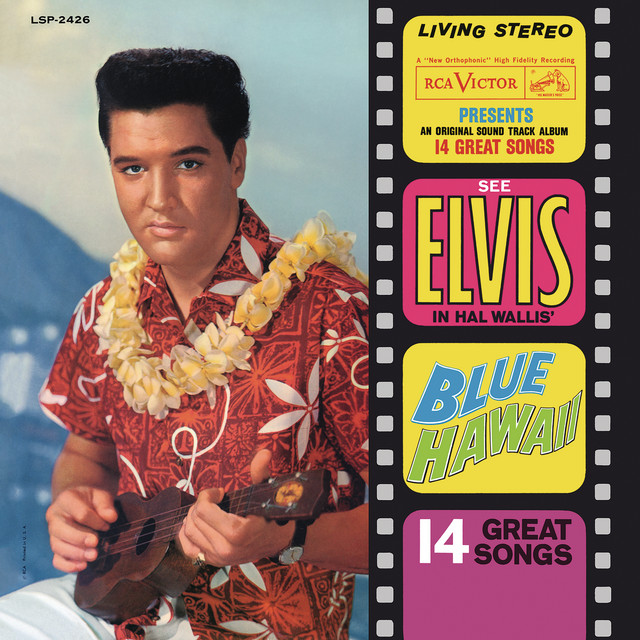
1961
Blue Hawaii
Elvis Presley
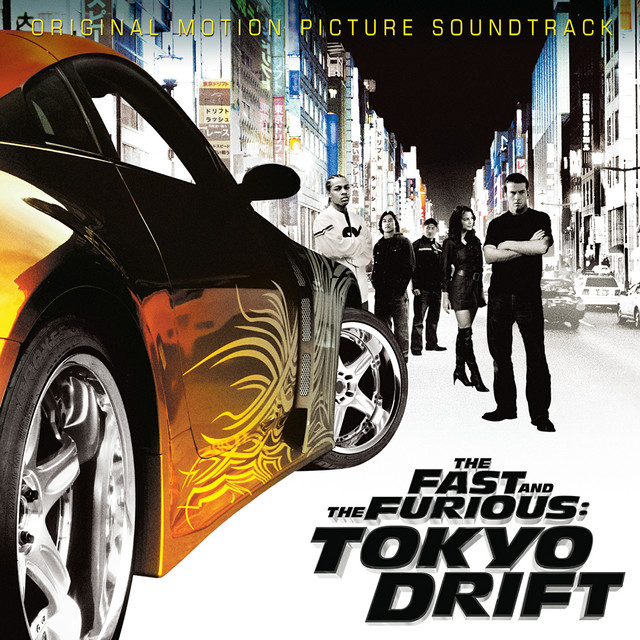
2006
The Fast And The Furious: Tokyo Drift (Original Motion Picture Soundtrack)
Atari Teenage Riot
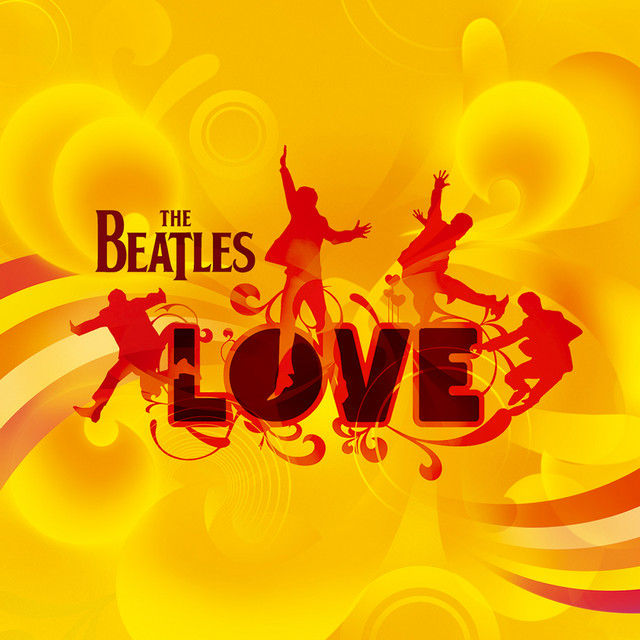
2006
Love
The Beatles
2006
High School Musical
2022
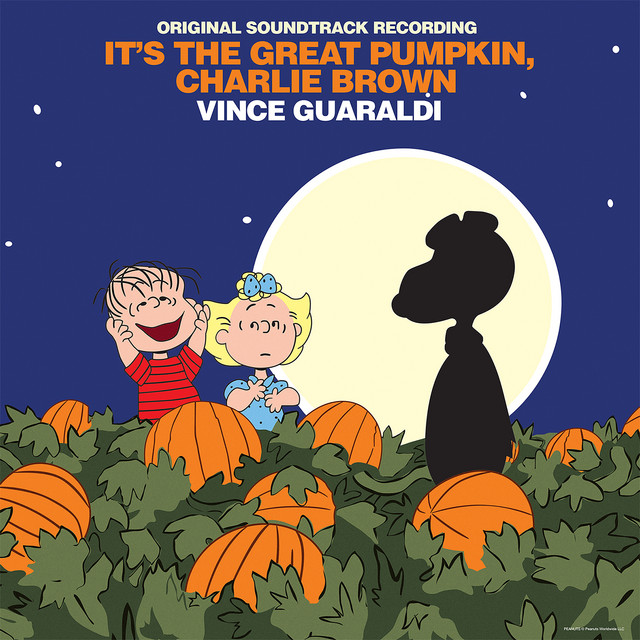
It's The Great Pumpkin, Charlie Brown (Original Soundtrack Recording)
Vince Guaraldi
2016
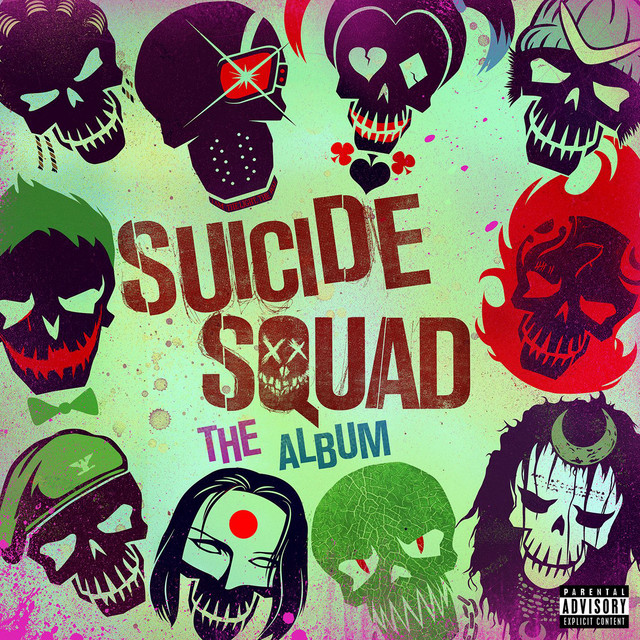
Suicide Squad: The Album
Grimes
2007
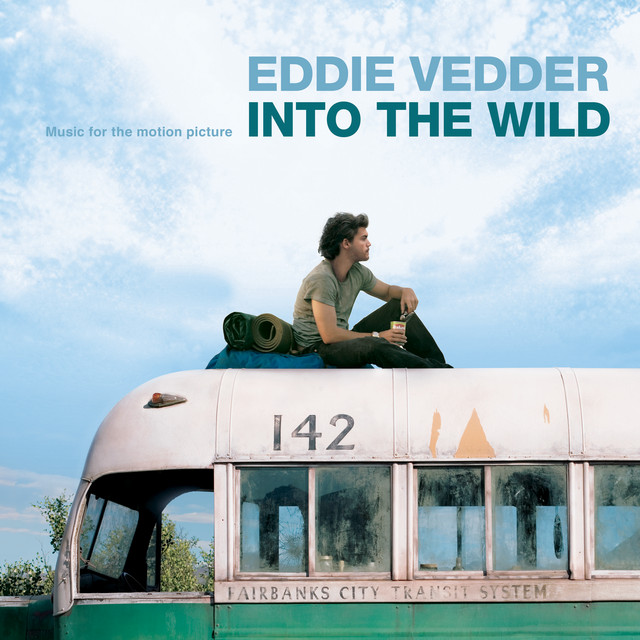
Into The Wild (Music For The Motion Picture)
Eddie Vedder
Download our mobile app
Get the Melodigging app and start digging for new genres on the go
Download on the App Store
Get it on Google Play
© 2026 Melodigging
Give feedback
Legal
Melodding was created as a tribute to
Every Noise at Once
, which inspired us to help curious minds keep digging into music's ever-evolving genres.