Genres
Make Music
Artists
Albums
Challenges
Sign in
Sign in
Albums
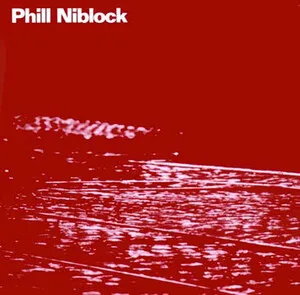
By Phill Niblock
Albums
By Phill Niblock
Music by Phill Niblock
1993
Listen
1
/5
Genres
Modern Classical
Modern classical is a contemporary strand of instrumental music that applies classical composition techniques to intimate, cinematic settings. It typically foregrounds piano and strings, is sparsely orchestrated, and embraces ambience, repetition, and timbral detail. Rather than the academic modernism of the early 20th century, modern classical as used today refers to accessible, mood-driven works that sit between classical, ambient, and film music. Felt pianos, close‑miked string quartets, tape hiss, drones, soft electronics, and minimal harmonic movement are common, producing a contemplative, emotionally direct sound that translates well to headphones, streaming playlists, and screen media.
Discover
Listen
Experimental
Experimental music is an umbrella term for practices that prioritize exploration, process, and discovery over adherence to established genre norms. It embraces new sound sources, nonstandard tuning systems, indeterminacy and chance operations, graphic and open-form scores, extended techniques, and technology-led sound design (tape, electronics, computers, and live processing). Rather than a single style, it is a methodology and ethos: testing hypotheses about sound, structure, and performance, often blurring boundaries between composition, improvisation, sound art, and performance art. Listeners can expect unfamiliar timbres, unusual forms, and an emphasis on how music is made as much as the resulting sound.
Discover
Listen
Microtonal Classical
Microtonal classical is a stream of Western art music that organizes pitch using intervals smaller than the conventional 12-tone equal temperament. Composers employ alternative equal temperaments (such as 19, 24, 31, or 72 tones per octave), just intonation, and other tuning systems to expand harmony, melody, and timbre beyond the familiar semitone grid. The genre foregrounds novel intervals, complex chordal spectra, continuous pitch (glissandi), and fine-grained intonational nuance. It can sound otherworldly, tense, or delicately shimmering, and often requires specially retuned instruments, extended techniques, or custom-built instruments to realize its pitch language.
Discover
Listen
Electronic
Electronic is a broad umbrella genre defined by the primary use of electronically generated or electronically processed sound. It encompasses music made with synthesizers, drum machines, samplers, computers, and studio/tape techniques, as well as electroacoustic manipulation of recorded or synthetic sources. The genre ranges from academic and experimental traditions to popular and dance-oriented forms. While its sonic palette is rooted in electricity and circuitry, its aesthetics span minimal and textural explorations, structured song forms, and beat-driven club permutations. Electronic emphasizes sound design, timbre, and studio-as-instrument practices as much as melody and harmony.
Discover
Listen
Similar albums
2021
Lei Line Eon
Iglooghost
2004
Spellewauerynsherde
Akira Rabelais
1975
White Noise 2: Concerto for Synthesizer
David Vorhaus
2020
Monophonie
Phillip Sollmann
2019
Occam Ocean 2
Eliane Radigue / ONCEIM / Frédéric Blondy
2015
White Light
Sidewalks and Skeletons
2015
Sleep
Max Richter
2008
Inca Ore / Grouper
Grouper
1994
Selected Ambient Works Volume II
Aphex Twin
2017
Presence
Petit Biscuit
Download our mobile app
Get the Melodigging app and start digging for new genres on the go
Download on the App Store
Get it on Google Play
© 2026 Melodigging
Give feedback
Legal
Melodding was created as a tribute to
Every Noise at Once
, which inspired us to help curious minds keep digging into music's ever-evolving genres.