West Asian folk music is the umbrella for vernacular song and dance traditions from Anatolia, the Levant, Mesopotamia, the Caucasus, the Iranian plateau, and the Arabian Peninsula.
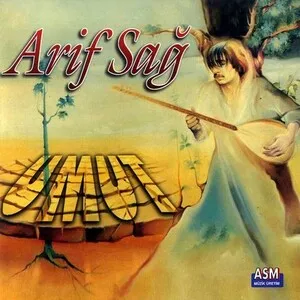
It is tied together by shared modal systems (maqām, dastgāh, and mugham), asymmetrical and cyclical rhythms (iqāʿ/usûl such as 10/8 samāʿī, 9/8 karsılama, 7/8 and 5/8 aksak patterns), heterophonic textures, and rich microtonal ornamentation. Signature timbres come from instruments like the oud, bağlama/saz, tar, kamancheh, qanun, santur, ney, duduk, zurna, davul, darbuka (doumbek), riqq, daf, bendir, and frame drums.
Repertoires span epic narrative songs (dāstān/ashugh traditions), love lyrics, lullabies, laments, seasonal/work songs, circle dances (e.g., dabke, halay), and devotional/Sufi repertoires. Transmission has historically been oral, rooted in social life—weddings, coffeehouses, communal rites—and later amplified by radio, records, and diaspora scenes.