Genres
Make Music
Artists
Albums
Challenges
Sign in
Sign in
Albums
By Various Artists
Albums
By Various Artists
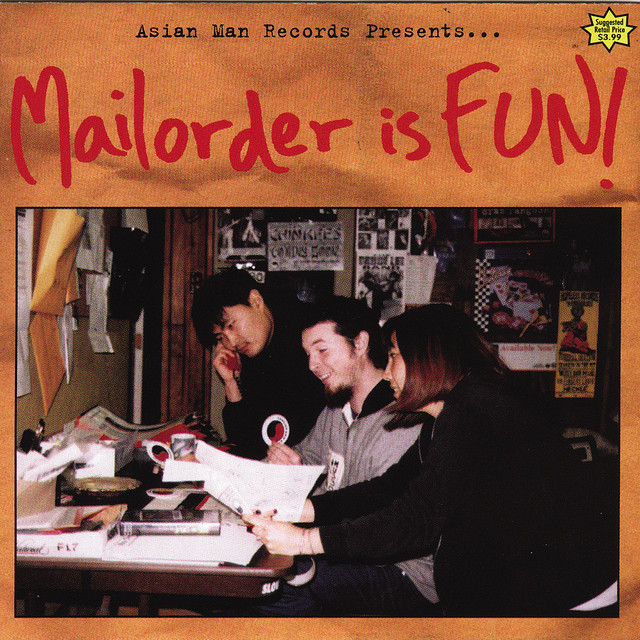
Mailorder Is Fun!
August 5, 1996
Listen
1
/5
Genres
Lo-Fi Emo
Lo-fi emo is a DIY offshoot of the emo tradition that blends emotionally direct songwriting with the intimate aesthetics of home recording. It favors tape- or laptop-recorded sounds, audible room noise and hiss, simple guitar figures, and hushed, conversational vocals. Musically it often draws on twinkly Midwest-emo guitar voicings or sparse acoustic strums, minimal drum programming or lightly mic’d kits, and gentle reverb or chorus for a soft, dreamy patina. Lyrics are introspective and confessional—journals set to music—highlighting vulnerability, loneliness, nostalgia, and fleeting moments of connection. The genre flourished on Bandcamp, Tumblr, and SoundCloud, where micro-labels and peer-to-peer communities enabled rapid sharing of demos, splits, and cassette runs. Its low barrier to entry and personal tone made it a recognizable aesthetic across the 2010s and into the streaming era.
Discover
Listen
Slacker Rock
Slacker rock is a laid‑back, guitar‑driven strain of indie/alternative rock defined by unpolished production, loose performances, and wry, deadpan lyric delivery. It foregrounds everyday details, irony, and self‑deprecating humor, often embracing tape hiss, off‑kilter timing, and a casually jangly guitar sound rather than polish or virtuosity. The style emerged from U.S. indie scenes in the early 1990s, fusing the melodicism of jangle pop and power pop with a DIY lo‑fi ethos and the shrugging, anti‑careerist stance of underground rock.
Discover
Listen
Slowcore
Slowcore is a minimalist strain of indie rock defined by extremely slow tempos, hushed dynamics, and sparse arrangements. It emphasizes space, sustain, and emotional restraint over volume or virtuosity, often using clean guitars, soft drumming, and intimate vocals to create a glacial, contemplative atmosphere. Lyrically, it gravitates toward introspection, memory, and everyday melancholy, with melodies that unfold patiently and harmonies that remain simple and diatonic. The result is music that feels heavy with quiet, where silence and decay are as expressive as the notes themselves.
Discover
Listen
Jangle Pop
Jangle pop is a guitar-centered style of pop and rock defined by bright, chiming tones—often from a 12‑string electric (famously the Rickenbacker)—playing arpeggiated or open‑chord figures with minimal distortion. The sound emphasizes treble clarity, shimmering sustain, and tight compression, creating a sparkling texture that carries melodic hooks. Rhythm sections are typically crisp and supportive rather than aggressive, with steady mid‑tempo grooves and melodic bass counter‑lines. Vocals tend to be tuneful and understated, frequently with close harmonies. Lyrically, jangle pop pairs catchy, concise songwriting with wistful, romantic, and nostalgic themes. The style draws on 1960s guitar pop and folk rock traditions while channeling the DIY ethos of 1980s indie scenes.
Discover
Listen
Alternative Rock
Alternative rock is a broad umbrella for guitar-based rock that emerged from the independent and college-radio scenes as a counterpoint to mainstream, commercial rock. It blends the energy and ethos of punk with the textural and songwriting experiments of post-punk, new wave, jangle pop, and noise rock, often foregrounding introspective or socially aware lyrics. Across its many strains—from the melodic minimalism of college rock to the loud-quiet-loud dynamics of grunge and the artful experimentation of Radiohead-era modernism—alternative rock prioritizes authenticity, sonic individuality, and a do-it-yourself approach. Its sound ranges from chiming, chorus-laden clean guitars to abrasive distortion and feedback, supported by straightforward rock rhythms or off-kilter grooves, and production that can be either raw and live-sounding or polished yet unconventional.
Discover
Listen
Rock
Rock is a broad family of popular music centered on amplified instruments, a strong backbeat, and song forms that foreground riffs, choruses, and anthemic hooks. Emerging from mid‑20th‑century American styles like rhythm & blues, country, and gospel-inflected rock and roll, rock quickly expanded in scope—absorbing folk, blues, and psychedelic ideas—while shaping global youth culture. Core sonic markers include electric guitar (often overdriven), electric bass, drum kit emphasizing beats 2 and 4, and emotive lead vocals. Rock songs commonly use verse–chorus structures, blues-derived harmony, and memorable melodic motifs, ranging from intimate ballads to high‑energy, stadium‑sized performances.
Discover
Listen
Ska
Ska is a Jamaican popular music style characterized by a brisk 4/4 groove, off‑beat guitar or piano upstrokes (the “skank”), walking bass lines, and punchy horn riffs. Emerging in late‑1950s Kingston dancehalls, ska fused local mento and calypso with American rhythm & blues and jazz, creating a lively sound that celebrated independence‑era optimism and street culture. Across time, ska evolved through distinct waves: the original Jamaican ska of the early 1960s, the racially integrated and politically aware 2 Tone movement in late‑1970s Britain, and the third‑wave explosion in the 1990s that blended ska with punk energy around the world.
Discover
Listen
Similar albums
2013
melanchole
salvia palth
1998
Stratosphere
Duster
1995
Vivadixiesubmarinetransmissionplot
Sparklehorse
1993
So Tonight That I Might See
Mazzy Star
1984
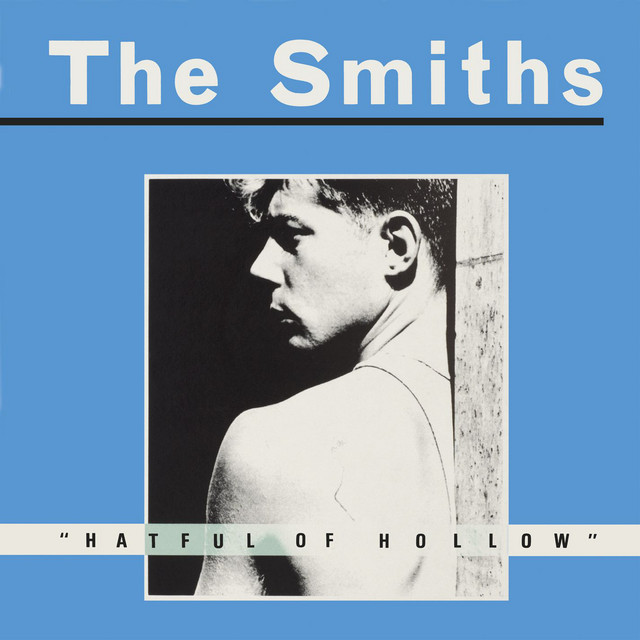
Hatful of Hollow
The Smiths
1996
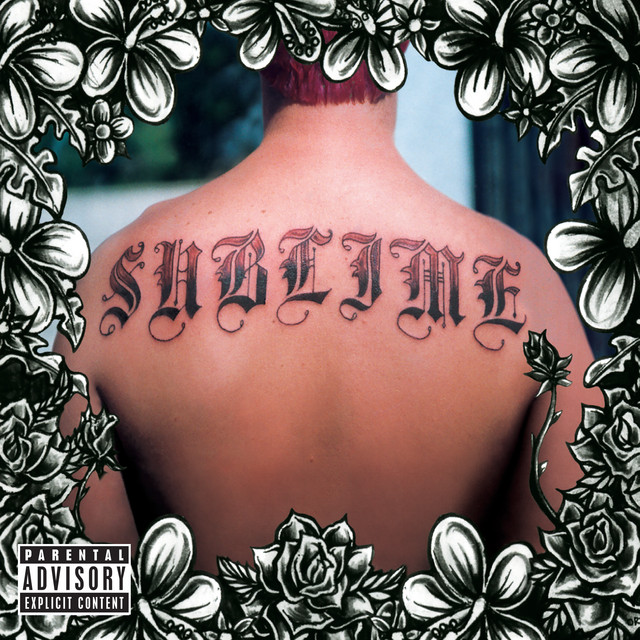
Sublime
Sublime
1986
The Queen Is Dead
The Smiths
1987
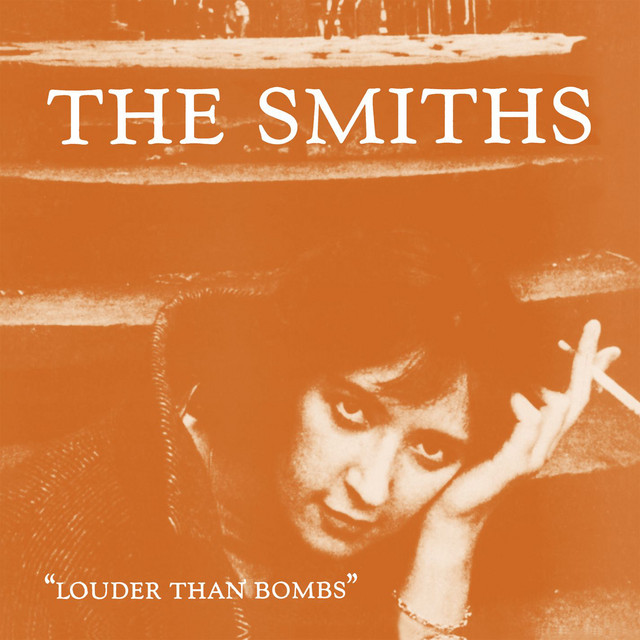
Louder Than Bombs
The Smiths
1993
Souvlaki
Slowdive
2014
Bury Me at Makeout Creek
Mitski
Download our mobile app
Get the Melodigging app and start digging for new genres on the go
Download on the App Store
Get it on Google Play
© 2026 Melodigging
Give feedback
Legal
Melodding was created as a tribute to
Every Noise at Once
, which inspired us to help curious minds keep digging into music's ever-evolving genres.