Genres
Make Music
Artists
Albums
Challenges
Sign in
Sign in
Albums
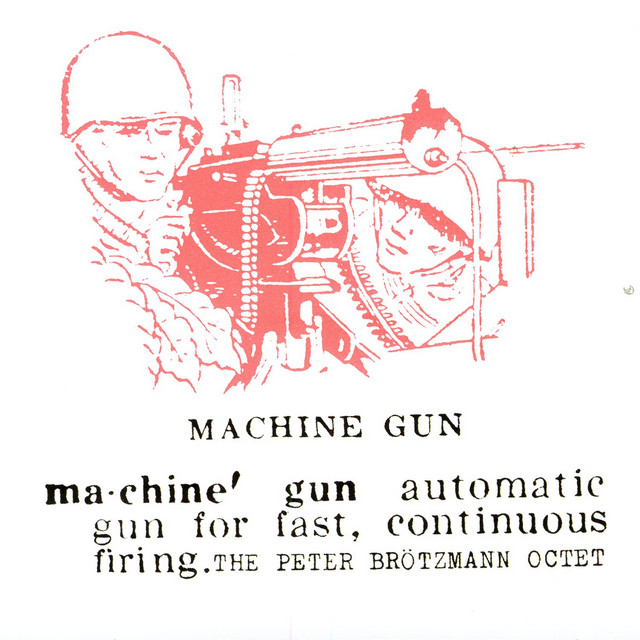
By The Peter Brötzmann Octet
Albums
By The Peter Brötzmann Octet
Machine Gun
August 21, 2007
Listen
1
/5
Genres
European Free Jazz
European free jazz is a post-1960s jazz current that transplanted the freedoms of American free jazz into European contexts while developing its own aesthetic priorities. It privileges collective improvisation, timbral exploration, and open form over chord-based harmony and fixed meter. Compared to its American counterpart, European free jazz tends to be less blues- and gospel-derived and more informed by the European avant‑garde: contemporary classical techniques, serial and post-serial thinking, graphic notation, extended instrumental techniques, and experimental approaches to sound and silence. It spans intense, high-energy "fire music" as well as sparse, textural improvisation, and thrives in both small groups and large ensembles. The scene coalesced across Germany, the UK, the Netherlands, Scandinavia, France, and Poland, supported by independent labels and festivals (FMP, Incus, BYG/Actuel, ECM, ICP), and by collectives that treated improvisation as both an artistic practice and a social project.
Discover
Listen
Free Improvisation
Free improvisation is a practice of spontaneous music-making that avoids fixed idioms, stylistic templates, and pre-agreed structures. Musicians prioritize listening, interaction, and the exploration of sound itself—timbre, texture, dynamics, and silence—over conventional melody, harmony, or pulse. Guitarist Derek Bailey popularized the notion of "non-idiomatic improvisation," describing a music that deliberately resists falling into recognizable genre habits. While often overlapping with free jazz and contemporary classical experimentalism, free improvisation is not confined to either. It welcomes any instrument or sound source—acoustic, electronic, or everyday objects—and frequently uses extended techniques, feedback, and unconventional performance gestures. Performances can range from whisper-quiet, pointillistic interplay to ferocious, high-energy noise, with the ensemble shaping form in real time through attention and constraint.
Discover
Listen
Free Jazz
Free jazz is a radical branch of jazz that rejects fixed chord progressions, strict meter, and conventional song forms in favor of collective improvisation, textural exploration, and spontaneous interaction. Musicians prioritize timbre, dynamics, and gesture as much as pitch and harmony, often using extended techniques (multiphonics, overblowing, prepared piano) and unconventional sounds. While rooted in the blues and earlier jazz vocabularies, free jazz frees improvisers from pre-set harmonic cycles, allowing lines to unfold over tonal centers, shifting modes, drones, or complete atonality. Rhythm sections may float without a steady pulse, or drive with layered polyrhythms and “energy playing.” The result ranges from contemplative soundscapes to cathartic, high-intensity eruptions. Culturally, the genre intersected with the civil rights era and broader avant-garde movements, emphasizing autonomy, community, and new possibilities for musical expression.
Discover
Listen
Experimental Big Band
Experimental big band is a forward-looking offshoot of the jazz big band tradition that applies avant‑garde composition, free improvisation, and nonstandard orchestrations to the classic large‑ensemble format. While it often retains a core lineup of saxophones, trumpets, trombones, and rhythm section, it commonly expands the palette with woodwind doublings, strings, electronics, unconventional percussion, and voice. Harmony ranges from extended tonal and modal writing to polytonality and atonality, often employing quartal/quintal harmony, tone clusters, and timbral (color‑based) harmonies. Rhythm favors odd meters, polyrhythms, metric modulation, and groove/texture hybrids. Forms may be through‑composed, modular, or suite‑like, and pieces frequently integrate conducted or cued improvisation, graphic notation, and other experimental score practices. Rather than a single codified style, experimental big band functions as an umbrella for large ensembles that push beyond swing and post‑bop arranging by drawing on contemporary classical approaches, free jazz, minimalism, electronics, and global traditions.
Discover
Listen
Avant-Garde Jazz
Avant-garde jazz is a boundary-pushing current of jazz that privileges experimentation, collective improvisation, and timbral exploration over conventional song forms and chord progressions. It often uses atonality or loose tonality, extended instrumental techniques, shifting or absent meters, and open forms. Ensembles may emphasize texture and density as much as melody and harmony, drawing as readily from modern classical music and non-Western traditions as from blues and bebop. While sometimes intense or noisy, avant-garde jazz also embraces spaciousness and silence, allowing players to interact in real time without predetermined roles. The result is music that questions the limits of jazz itself, foregrounding sound, spontaneity, and social expression.
Discover
Listen
Similar albums
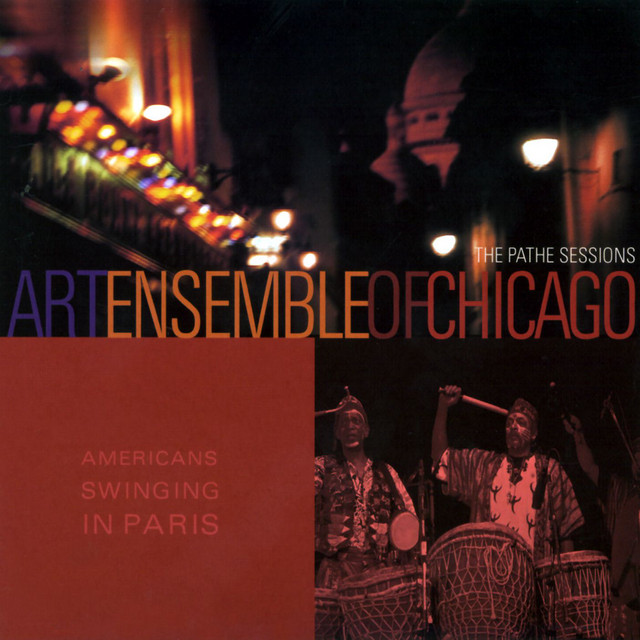
2002
People in Sorrow
Art Ensemble of Chicago
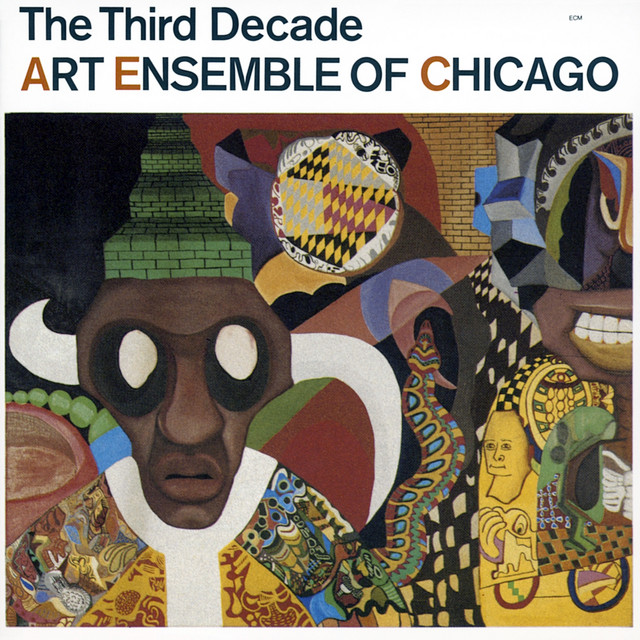
1985
The Third Decade
Art Ensemble Of Chicago
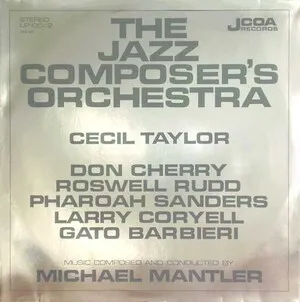
1968
The Jazz Composer's Orchestra
The Jazz Composer's Orchestra
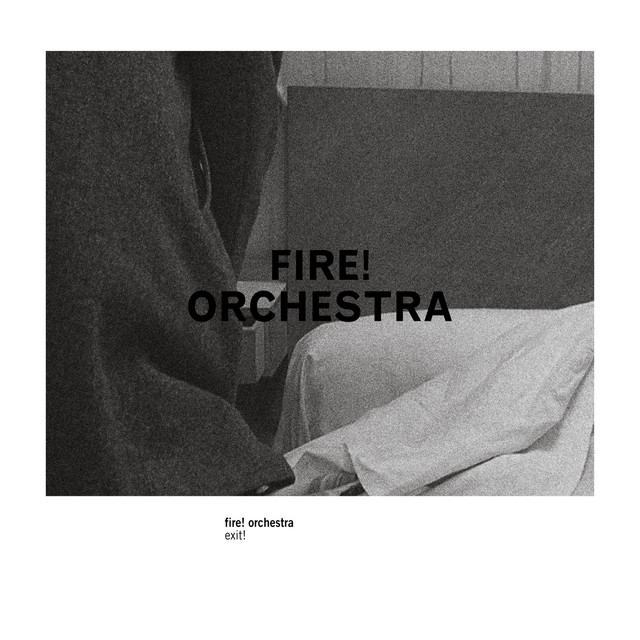
2013
Exit!
Fire! Orchestra
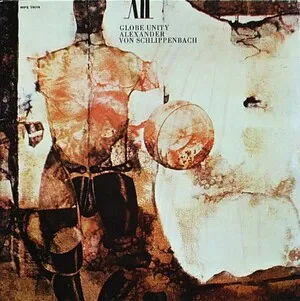
2015
Globe Unity
Alexander von Schlippenbach
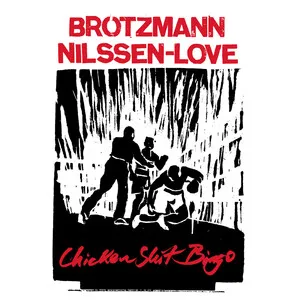
2024
Chicken Shit Bingo
Peter Brötzmann & Paal Nilssen-Love
2023
60 Years
Pan Afrikan Peoples Arkestra
1996
Ptah The El Daoud
Alice Coltrane
1971
Journey in Satchidananda
Alice Coltrane featuring Pharoah Sanders
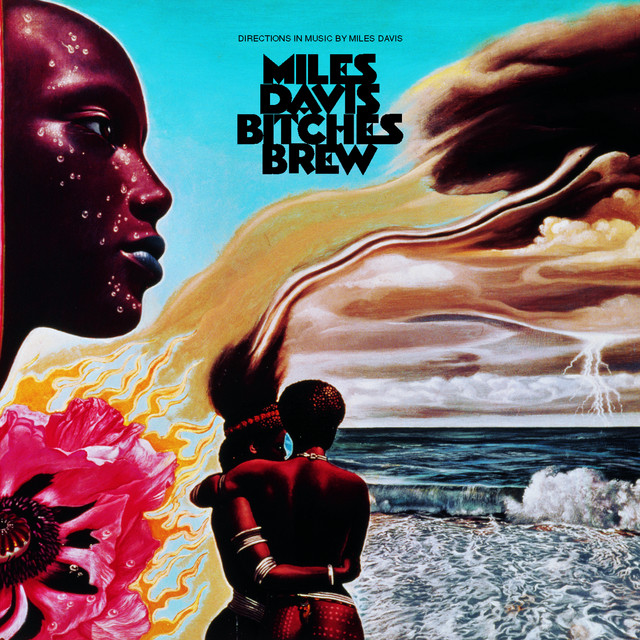
1970
Bitches Brew
Miles Davis
Download our mobile app
Get the Melodigging app and start digging for new genres on the go
Download on the App Store
Get it on Google Play
© 2026 Melodigging
Give feedback
Legal
Melodding was created as a tribute to
Every Noise at Once
, which inspired us to help curious minds keep digging into music's ever-evolving genres.