Genres
Make Music
Artists
Albums
Challenges
Sign in
Sign in
Albums
By Bo Diddley
Albums
By Bo Diddley
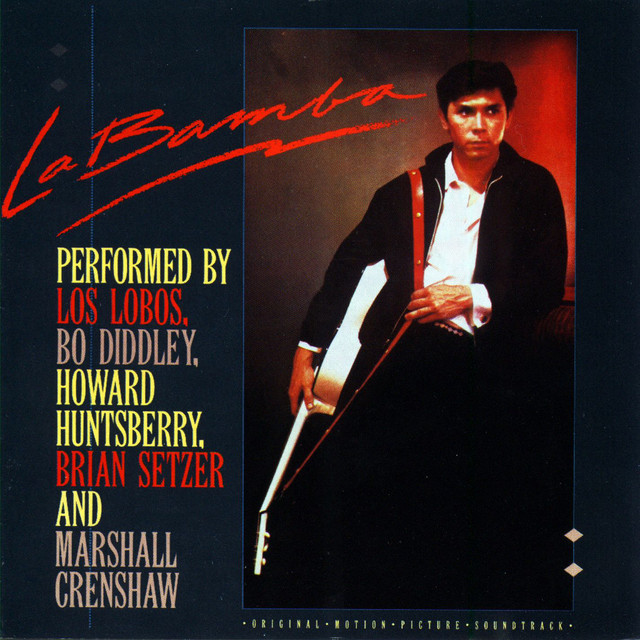
La Bamba (Original Motion Picture Soundtrack)
January 1, 1987
Listen
3
/5
Genres
Jangle Pop
Jangle pop is a guitar-centered style of pop and rock defined by bright, chiming tones—often from a 12‑string electric (famously the Rickenbacker)—playing arpeggiated or open‑chord figures with minimal distortion. The sound emphasizes treble clarity, shimmering sustain, and tight compression, creating a sparkling texture that carries melodic hooks. Rhythm sections are typically crisp and supportive rather than aggressive, with steady mid‑tempo grooves and melodic bass counter‑lines. Vocals tend to be tuneful and understated, frequently with close harmonies. Lyrically, jangle pop pairs catchy, concise songwriting with wistful, romantic, and nostalgic themes. The style draws on 1960s guitar pop and folk rock traditions while channeling the DIY ethos of 1980s indie scenes.
Discover
Listen
Psychobilly
Psychobilly is a high-octane fusion of 1950s rockabilly and late‑1970s punk rock, spiked with horror, sci‑fi, and B‑movie aesthetics. It is defined by twangy, reverb‑drenched guitars, an aggressively slapped upright (double) bass, and breakneck drums that push songs toward punk tempos. The style’s sound balances the swing and I‑IV‑V DNA of rockabilly with punk’s distortion, attitude, and shout‑along choruses. Lyrics typically revel in campy macabre imagery—monsters, hot rods, graveyards, radioactive romance—delivered with a snarling, tongue‑in‑cheek theatricality. Onstage, pompadours, quiffs, tattoos, coffin imagery, and the signature “wrecking” pit-dance complete a subcultural identity that is both retro and transgressive. While rooted in the United Kingdom scene of the early 1980s, psychobilly rapidly spread across Europe and the United States, cultivating a global circuit of dedicated bands, labels, and festivals.
Discover
Listen
Power Pop
Power pop is a guitar-driven style that distills the melodic immediacy of 1960s British Invasion pop into concise, high-energy rock songs. It emphasizes big hooks, ringing guitars (often Rickenbacker-style jangle), tight vocal harmonies, and punchy, economical arrangements that typically run around three minutes. Lyrically, it leans toward youthful longing, romance, and bittersweet nostalgia, delivered with bright major-key progressions, chiming arpeggios, and sing-along choruses. Though Pete Townshend used the term in the late 1960s, the genre cohered in the early 1970s with bands like Badfinger, Big Star, and the Raspberries, and it has resurfaced repeatedly in waves through new wave, indie, and modern pop-punk contexts.
Discover
Listen
Heartland Rock
Heartland rock is a style of mainstream American rock defined by anthemic songwriting, plainspoken storytelling, and a roots-oriented band sound. It centers on working‑class life, small towns, highways, and everyday resilience, using vivid, cinematic lyrics and big, sing‑along choruses. Musically, it blends the drive of classic rock with the twang of country rock and the earnestness of folk rock. Guitars (both electric and acoustic), organ or piano, steady backbeat drums, and occasional saxophone create a warm, road‑tested feel that favors live, unadorned arrangements over studio gloss.
Discover
Listen
Roots Rock
Roots rock is a back-to-basics strain of rock music that reconnects the electric band format with its foundational American roots in blues, country, folk, rhythm & blues, and early rock and roll. It favors sturdy songcraft, earthy timbres, and groove over studio gloss—think twangy or gritty guitars, Hammond organ or piano, a steady backbeat, and plainspoken, story-driven lyrics. The style often carries a "live-in-the-room" feel, medium tempos, and blues-based progressions, evoking bar bands, roadhouses, and rural imagery. Rather than chasing cutting-edge production or virtuosic excess, roots rock emphasizes feel, narrative, and tradition—bridging the immediacy of rock with the storytelling of folk and country and the emotional bite of the blues.
Discover
Listen
Pop Rock
Pop rock blends the hook-focused immediacy of pop with the instrumentation and drive of rock. It prioritizes catchy melodies, concise song structures, and polished production while retaining guitars, bass, and drums as core elements. Typical pop rock tracks use verse–pre-chorus–chorus forms, strong vocal harmonies, and memorable riffs. The sound ranges from jangly and bright to mildly overdriven and arena-ready, aiming for radio-friendly appeal without abandoning rock’s rhythmic punch.
Discover
Listen
Pop
Pop is a broad, hook-driven style of popular music designed for wide appeal. It emphasizes memorable melodies, concise song structures, polished vocals, and production intended for radio, charts, and mass media. While pop continually absorbs elements from other styles, its core remains singable choruses, accessible harmonies, and rhythmic clarity. Typical forms include verse–pre-chorus–chorus, frequent use of bridges and middle-eights, and ear-catching intros and outros. Pop is not defined by a single instrumentation. It flexibly incorporates acoustic and electric instruments, drum machines, synthesizers, and increasingly digital production techniques, always in service of the song and the hook.
Discover
Listen
Rock And Roll
Rock and roll is a high-energy, dance-oriented popular music style that emerged in the United States in the early-to-mid 1950s. It fuses the 12‑bar blues and boogie‑woogie with the backbeat and instrumentation of rhythm & blues, the twang and storytelling of country, and the fervor of gospel. Its hallmark sound centers on a strong backbeat (accented on beats 2 and 4), driving rhythm sections, electric guitar riffs, prominent piano or saxophone leads, and catchy, chorus-forward songwriting. Typical harmonies revolve around I–IV–V progressions, often in 12-bar form, with swung or shuffle feels and punchy turnarounds. Culturally, rock and roll catalyzed a youth movement linked to dancing, teen identity, and social change. It bridged racial audiences by popularizing Black American musical traditions for mainstream listeners, and it laid the foundation for subsequent rock styles and much of modern pop.
Discover
Listen
Chicago Blues
Chicago blues is an electrified, urban form of the blues that took root on Chicago’s South and West Sides during the Great Migration. Built on the 12‑bar blues and I–IV–V harmony, it is marked by amplified guitar, amplified harmonica ("harp"), piano, bass, and drum kit, with a swinging shuffle feel and a strong backbeat. Riffs, call‑and‑response between voice and lead instruments, and terse, memorable hooks are central. Lyrically, Chicago blues pivots from rural imagery to city life—work, love, nightlife, tough luck, and resilience—delivered with grit, wit, and emotional directness. The sound is raw yet powerful, merging Delta roots with urban rhythm sections and studio production that foregrounds groove and bite.
Discover
Listen
Acoustic Blues
Acoustic blues is a family of blues styles performed on non-amplified instruments, most commonly solo voice with acoustic guitar and, at times, harmonica. It emphasizes raw, intimate timbres; elastic vocal phrasing; and guitar techniques such as fingerpicking, alternating-bass patterns, and bottleneck slide. Rooted in African American folk traditions of the U.S. South, acoustic blues typically favors small-scale, conversational performance practice—call-and-response between voice and guitar, expressive "blue notes," and lyrics in the AAB stanza form. Substyles include Delta blues (driving, slide-heavy), Piedmont blues (ragtime-influenced fingerpicking), and Texas blues (looser, narrative-driven playing).
Discover
Listen
Similar albums
1986
The Queen Is Dead
The Smiths
1985
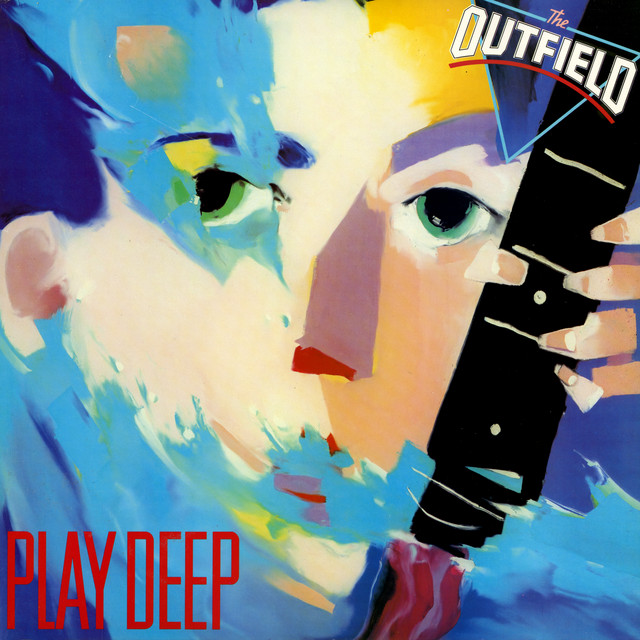
Play Deep
The Outfield
1989
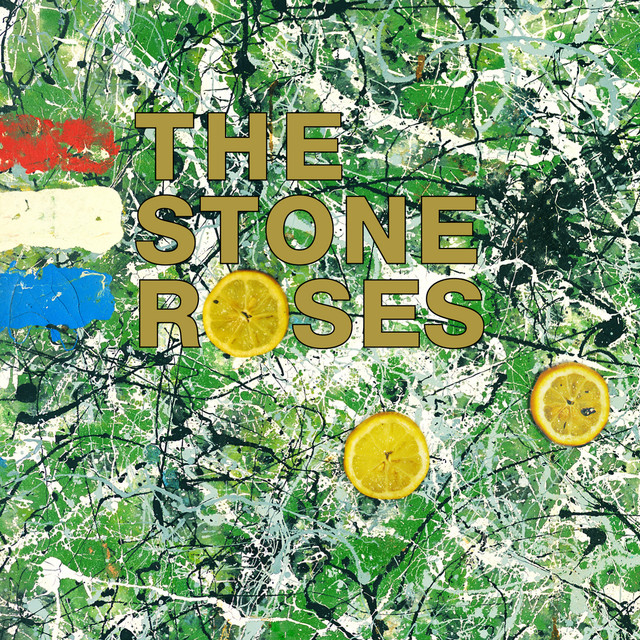
The Stone Roses
The Stone Roses
1999
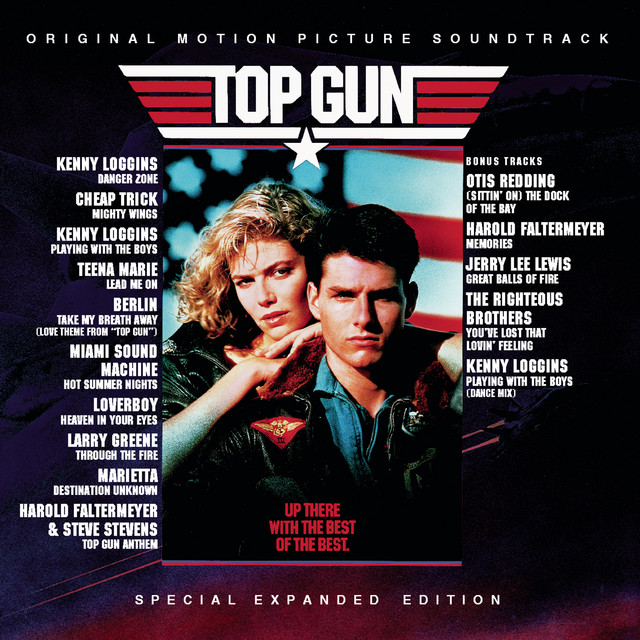
Top Gun - Motion Picture Soundtrack (Special Expanded Edition)
Cheap Trick
1963
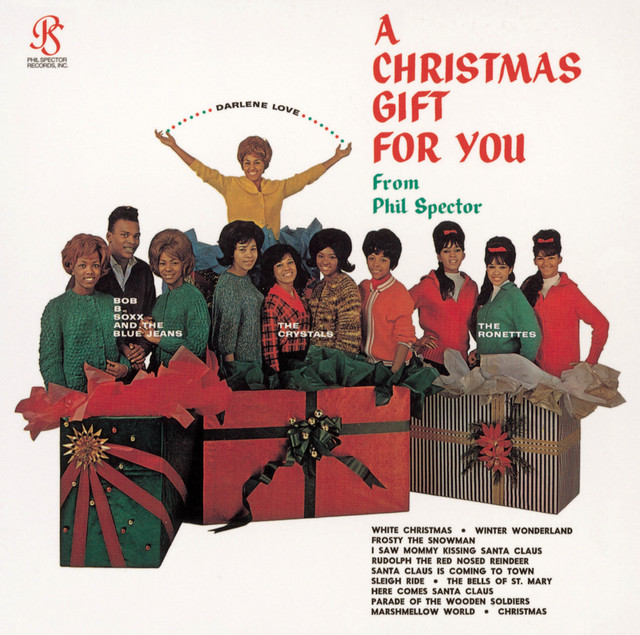
A Christmas Gift for You From Philles Records
1964
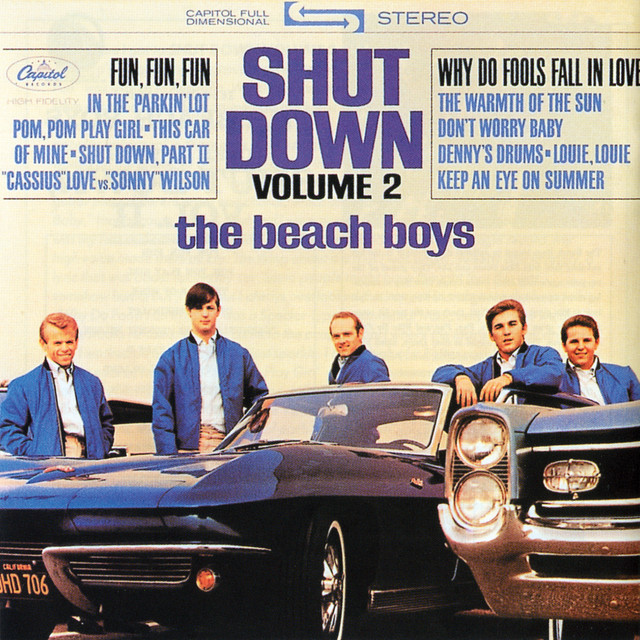
Shut Down Volume 2
The Beach Boys
1985
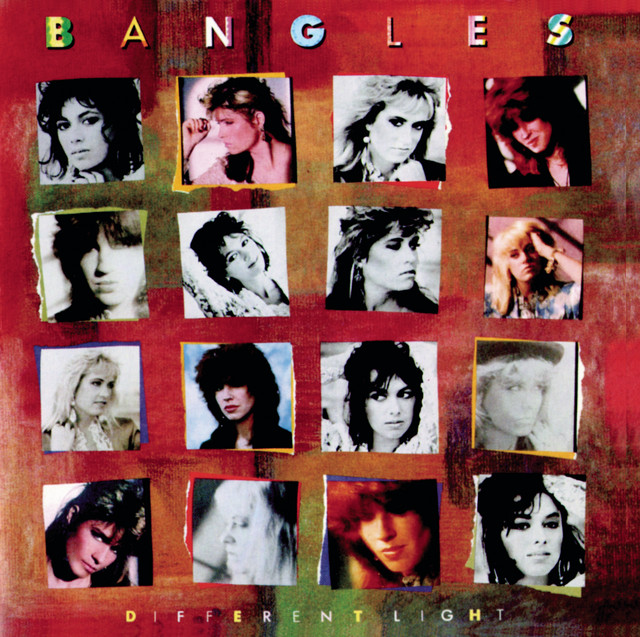
Different Light
The Bangles
2009
Here We Go Again
Demi Lovato
1971
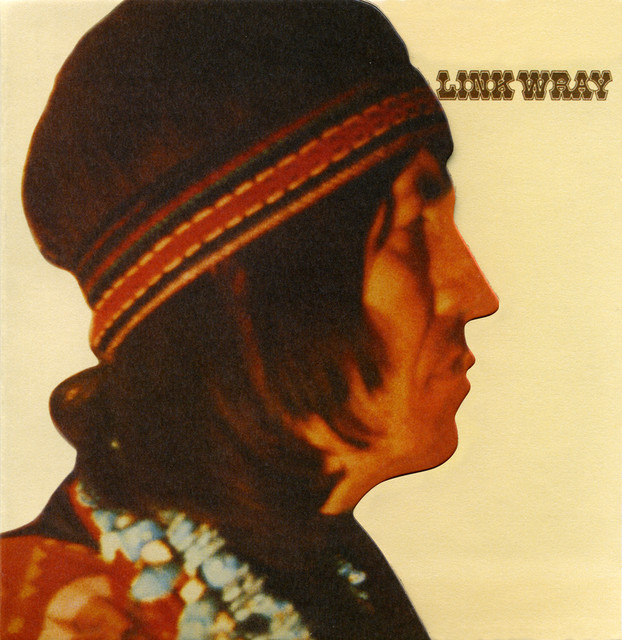
Link Wray
Link Wray
1969
Crimson & Clover / Some Kind of Love
Tommy James & The Shondells
Download our mobile app
Get the Melodigging app and start digging for new genres on the go
Download on the App Store
Get it on Google Play
© 2026 Melodigging
Give feedback
Legal
Melodding was created as a tribute to
Every Noise at Once
, which inspired us to help curious minds keep digging into music's ever-evolving genres.