Genres
Make Music
Artists
Albums
Challenges
Sign in
Sign in
Albums
By Zadik Zecharia צדיק זכריה
Albums
By Zadik Zecharia צדיק זכריה
נעימות כורדיות עם זורנה (Kurdish Melodies on Zorna)
June 1, 2006
Listen
1
/5
Genres
Oriental Jewish Music
Oriental Jewish music refers to the liturgical, paraliturgical, and secular musical traditions of Jewish communities from the Middle East and North Africa, as they were preserved in diaspora and recontextualized in Israel after the mid-20th century. It blends Hebrew and Judeo-Arabic (and occasionally Ladino) texts with maqām-based melody, microtonal inflection, and cyclical iqa'at (Arabic/Turkish rhythms). Typical textures are heterophonic—voices and instruments ornamenting the same line rather than using dense harmony. Core instruments include oud, qanun, violin, ney, and frame/hand drums such as darbuka and riq; in modern settings, keyboards with quarter-tone capability and guitars may appear. The repertoire ranges from synagogue piyyutim and Andalusian nuba-derived suites to wedding songs and urban genres like the Iraqi maqām. In Israel, these practices converged across Moroccan, Iraqi, Yemenite, Egyptian, Syrian, and Persian Jewish communities, shaping the sonic DNA that later fed Mizrahi/"Oriental" Israeli popular music.
Discover
Listen
Kurdish Music
Kurdish music is the traditional and contemporary music of the Kurdish people, spanning the mountainous regions of present‑day Iraq, Turkey, Iran, and Syria. It centers on modal melodies, rich vocal ornamentation, and poetic storytelling, and it ranges from unaccompanied epic singing (dengbêj) to driving dance music for circle dances (govend/halay). Its melodic language is closely tied to Near Eastern modal systems (maqam/dastgāh), with characteristic use of the Kurd/Bayât‑e Kurd mode (akin to a minor scale with a lowered second) and related hijaz/bayat families. Common meters include 2/4 and 6/8 for dances, alongside asymmetrical meters such as 7/8 and 9/8. Typical instruments include the tembûr/tanbur and saz (bağlama), frame drums (daf) and double-headed drums (dohol), reed and double‑reed winds (ney, zurna, balaban/duduk), as well as kamancheh and violin; modern ensembles may add keyboards and electric bağlama. Lyrically, Kurdish songs are often performed in Kurmanji, Sorani, and Zazakî, exploring themes of love, nature, heroism, exile, and resistance. The sound can be at once melancholic and epic, yet also celebratory and communal in its dance repertoires.
Discover
Listen
Similar albums
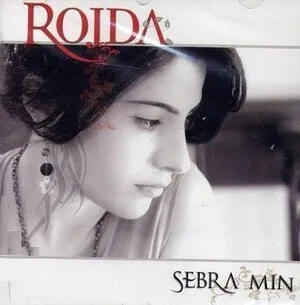
2006
Sebra Min
Rojda
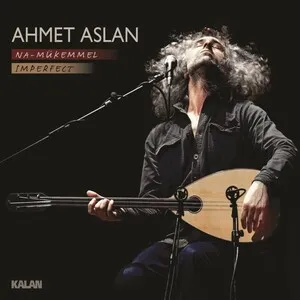
2015
Na-Mükemmel (Imperfect)
Ahmet Aslan
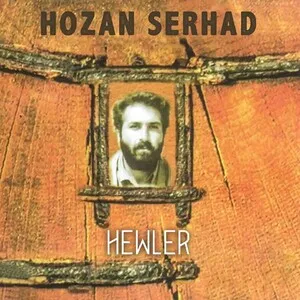
2012
Hewler
Hozan Serhad
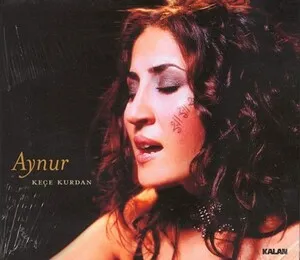
2002
Keçe kurdan
Aynur
2018
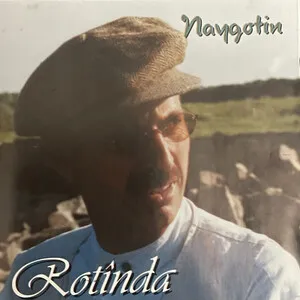
Naygotin
Rotînda
2007
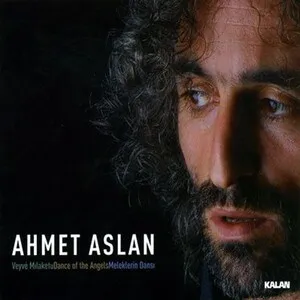
Veyvé Mılaketu (Dance of the Angels - Meleklerin Dansı)
Ahmet Aslan
2003
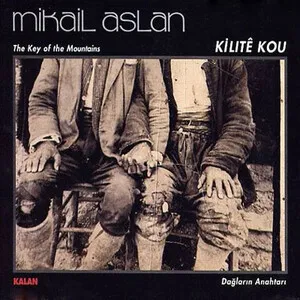
Kilitê Kou
Mikail Aslan
2016
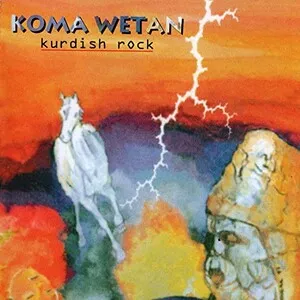
Kurdish Rock
Koma Wetan
2002
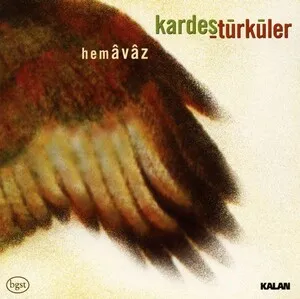
Hemâvâz
Kardeş Türküler
2005
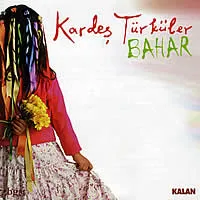
Bahar
Kardeş Türküler
Download our mobile app
Get the Melodigging app and start digging for new genres on the go
Download on the App Store
Get it on Google Play
© 2026 Melodigging
Give feedback
Legal
Melodding was created as a tribute to
Every Noise at Once
, which inspired us to help curious minds keep digging into music's ever-evolving genres.